Best Water Filter Installation Tips You Can’t Miss!
If you want cleaner, safer water right from your tap, finding the best water filter installation can make all the difference. Many households struggle with taste, odor, or contaminants that standard filters don’t fully address. Installing the right water filter system helps improve water quality and promotes better health for you and your family.
Installing the right water filter system helps improve water quality and promotes better health for you and your family. This review focuses on a reliable water filter installation option designed for everyday home use. Whether you live in an area with hard water or are concerned about chlorine and other impurities, this product aims to provide a simple and effective solution.
It combines ease of setup with efficient filtration, making it a practical choice for many homeowners. In the following sections, we will explore the features, installation process, and performance to help you decide if this water filter fits your needs. By the end, you will have a clearer understanding of what to expect and how it compares to other options available.
By the end, you will have a clearer understanding of what to expect and how it compares to other options available.
Choosing the Perfect Solution for Cleaner, Safer Drinking Water
| Image | Product | Price |
|---|---|---|
Pick 1  | Brita Original Replacement Water Filter, Pitchers and Dispensers, 4 Pack | Check Price On Amazon |
10. Brita Original Replacement Water Filter, Pitchers and Dispensers, 4 Pack
Enjoy cleaner, better-tasting water with the Brita Original Replacement Water Filter 4 Pack. Designed for pitchers and dispensers, these filters provide reliable contaminant reduction, making every glass of water refreshing and safe.
Each filter lasts up to six months, delivering consistent performance with every use. Install them easily in compatible Brita pitchers and dispensers to enjoy filtered water without hassle.
The Brita Original Replacement Water Filters utilize Advanced Carbon Core Technology to reduce 99% of lead and over 30 other contaminants, including chlorine, microplastics, pharmaceuticals, and pesticides. This ensures superior water quality that’s both healthy and tasty.
Certified by WQA NSF/ANSI standards, the filters maintain strong performance across their entire 120-gallon lifespan.
Replacing a filter every six months means fewer interruptions and added convenience. These filters convert tap water efficiently, reducing the need for plastic bottles by replacing up to 900 single-use bottles per filter.
The 4 pack offers extended supply and sustainability benefits for families or individuals with high water consumption.
Designed to fit all standard Brita pitchers and dispensers (excluding the Stream model), the filters are easy to install and remove. Their durable construction supports steady contaminant reduction without compromising water flow.
This pack balances high performance, environmental responsibility, and user convenience.
Pros
- Reduces 99% of lead and over 30 contaminants for safer water
- Lasts up to six months or 120 gallons per filter
- Compatible with all Brita pitchers and dispensers except Stream
Cons
- Not compatible with Brita Stream pitchers and dispensers
Brita’s Replacement Filters stand out for their advanced technology and ease of use. They offer a convenient, cost-effective solution to improve water quality while reducing plastic waste. Suitable for households wanting dependable filtration without extra effort.
Suitable for households wanting dependable filtration without extra effort.
| Specification | Details |
|---|---|
| Filter Technology | Advanced Carbon Core Technology |
| Contaminants Reduced | 99% of lead, chlorine, microplastics, pesticides, pharmaceuticals, 30+ others |
| Filter Life | 120 gallons or approximately 6 months |
| Pack Size | 4 Replacement Filters |
| Compatibility | All Brita pitchers and dispensers except Stream |
| Certifications | WQA NSF/ANSI Certified |
Ultimate Guide to Choosing the Best Water Filter Installation for Pure, Refreshing Water
Water quality and contaminants
When choosing a water filtration system, start by identifying the usual substances that might be affecting your water such as chlorine, sediment, heavy metals, or microorganisms. Testing your water gives a clear picture of what contaminants are present and at what levels, often through a simple kit or local lab analysis.
This information helps in selecting the right kind of filter because various filters target different impurities: activated carbon filters excel at removing chlorine and improving taste, reverse osmosis units reduce heavy metals and dissolved solids, while UV filters address bacteria and viruses. Understanding the specific contaminants you are dealing with guides you toward a filter that effectively meets your needs, making any installation more effective and worthwhile. Keeping the source and typical quality of your water in mind allows for a tailored approach that balances performance and cost over time.
Filter lifespan and maintenance
When choosing a water filter system, understanding how often the filter needs to be replaced can save you time and prevent a decline in water quality. Different models have varying replacement schedules, with some requiring new filters every two to six months depending on usage and water conditions. It helps to select a system where swapping out the filter is straightforward, ideally designed so the process does not involve special tools or complex steps.
It helps to select a system where swapping out the filter is straightforward, ideally designed so the process does not involve special tools or complex steps. This makes ongoing maintenance simpler and encourages timely replacements, which is key to keeping the water taste fresh and contaminants at bay. Regular cleaning of the external parts and any accessible components also contributes to prolonged system efficiency and hygiene.
By keeping upkeep manageable and filter changes clear and convenient, the overall experience becomes less of a chore and more a natural part of your routine, maintaining safe and crisp water without fuss.
Cost and warranty
When selecting a water filter, considering both the initial purchase price and longterm maintenance costs is wise to ensure the system remains affordable over time. Some models offer a lower upfront cost but require frequent filter replacements, which can add up.
Others might have a higher starting price but use filters with extended lifespans, making them more economical in the long run. Paying attention to the warranty coverage helps provide peace of mind, as a comprehensive warranty signifies confidence in the product’s durability and performance. Reliable customer support can also make a big difference when questions arise or issues need resolution, so choosing a brand known for responsive service can smooth the ownership experience.
Balancing these factors allows one to invest in a water filtration system that fits budgetary needs while delivering consistent, clean water without unexpected expenses down the road.
Types of water filters
Choosing the right water filter often depends on your specific needs and living situation. Pitcher filters offer a simple, portable solution perfect for those wanting to improve taste and reduce chlorine without complicated setup. Faucet mounted filters attach directly to your kitchen tap, providing filtered water on demand, which is ideal for apartments or renters.
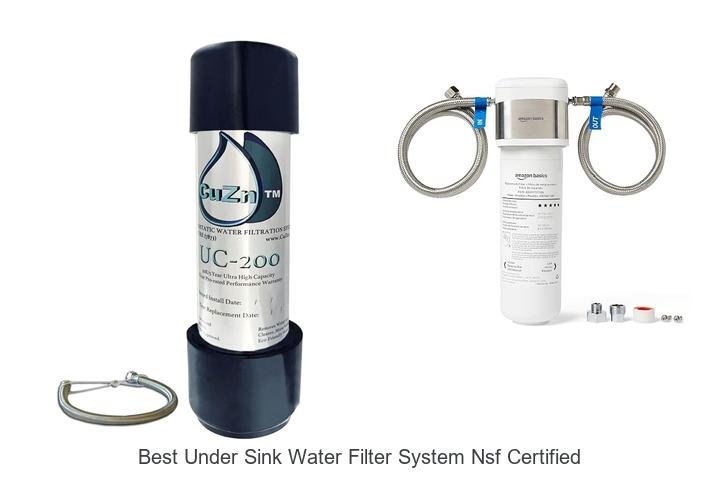
Faucet mounted filters attach directly to your kitchen tap, providing filtered water on demand, which is ideal for apartments or renters. For a more permanent setup, undersink filters install discreetly beneath the sink, delivering cleaner water straight from the tap and often handling a broader range of contaminants. Whole house filtration systems take care of all the water entering your home, ensuring purified water for showers, laundry, and drinking alike—this option is especially useful for homes with well water or concerns about overall water quality.
When choosing, consider factors such as installation ease, maintenance requirements, filter lifespan, and the specific impurities you want to reduce. Paying attention to certifications from water quality organizations can also help in making an informed decision that leads to healthier and better-tasting water every day.
Installation requirements
Choosing and setting up a water filter calls for some thought about where you plan to place it within your home since space and location can affect both performance and convenience. For example, under-sink models require a cabinet with enough room to house the unit while allowing easy access for maintenance, whereas countertop filters need a dedicated area on your kitchen surface without overcrowding your workspace.
Simple cartridge replacements or straightforward fittings with standard connections might be manageable with basic tools like adjustable wrenches and screwdrivers. However, some systems involve tapping into existing pipes or installing additional plumbing fixtures, which might call for a professional’s expertise to avoid leaks or damage.
Verifying the compatibility of the filter with your existing plumbing is key—checking pipe sizes, types of connectors, and water pressure can save time and headaches down the line. Having a clear understanding of these elements helps in selecting a filter that not only meets your water quality needs but also fits smoothly into your home setup without requiring extensive modifications or costly tools.
Additional features and certifications
When choosing a water filter installation, paying attention to NSF/ANSI certification is a reliable way to confirm that the system meets established standards for contaminant reduction and safety. The flow rate and water pressure impact how efficiently and effectively filtered water is delivered, so selecting a system that matches your household’s water pressure ensures steady performance without frustrating slowdowns.
These features can greatly enhance water quality depending on your specific needs. Considering these aspects helps tailor the water filter installation to provide clean, refreshing water suited to your daily use and preferences.
FAQ’s
How Often Should A Water Filter Be Replaced Or Maintained After Installation?
A water filter should typically be replaced or maintained every 3 to 6 months, depending on the manufacturer’s guidelines and water usage. Regular maintenance ensures optimal performance and water quality.
What Are The Key Factors To Consider When Choosing The Best Water Filter For Installation?
The key factors to consider when choosing the best water filter for installation include the type of contaminants in your water, filtration method effectiveness, and the filter’s capacity and maintenance requirements. Additionally, consider your budget and installation compatibility with your plumbing system.
Can I Install A Water Filter System Myself, Or Should I Hire A Professional?
You can install a water filter system yourself if you have basic plumbing skills and follow the manufacturer’s instructions carefully. However, hiring a professional is recommended for complex systems or if you want to ensure proper installation and avoid potential leaks or damage.
How Much Does Professional Water Filter Installation Typically Cost?
Professional water filter installation typically costs between $150 and $500, depending on the system type and complexity. Additional factors such as plumbing adjustments or electrical work can increase the price.
What Are The Different Types Of Water Filter Systems Available For Home Installation?
The different types of water filter systems available for home installation include activated carbon filters, reverse osmosis systems, UV purifiers, and ceramic filters. Each type targets specific contaminants and can be installed at various points like under the sink, countertop, or whole-house systems.
Conclusion
Choosing the right water filtration system involves balancing effectiveness, ease of use, and cost. While some models provide excellent purification and long-lasting filters, others may require professional help for installation.
Though initial expenses might be higher than simpler units, the long-term health benefits and improved water quality often justify the investment. Those looking for a dependable solution that integrates seamlessly with their existing plumbing will find these options particularly suitable.
Evaluating your specific needs alongside professional installation availability will guide you toward a practical and effective choice.