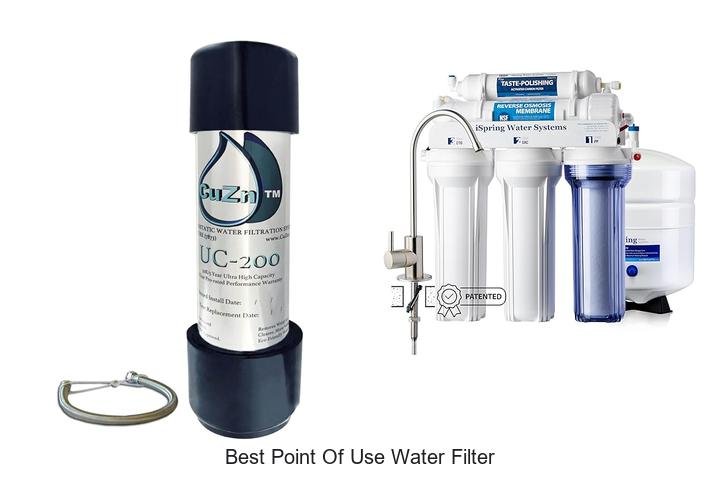
Best Water Filter Membrane That Will Change Your Life Today
Many people face challenges with water quality at home, from unpleasant tastes to concerns about contaminants. Choosing the right filtration system can make a big difference in the safety and flavor of your drinking water.
This type of filter membrane is designed for anyone seeking cleaner, safer water without complicated maintenance. In this review, we’ll explore how this water filter membrane works, who it benefits most, and what you can realistically expect from its performance.
The goal is to give you clear, practical information to help you decide if it meets your needs.
Discover Top Solutions for Pure and Refreshing Water Quality
| Image | Product | Price |
|---|
Top Tips to Choose the Best Water Filter Membrane for Pure, Clean Water
Compatibility and installation
When selecting a water filter membrane, matching it with your existing filtration system plays a big role in how smoothly the upgrade goes. Many membranes are designed to fit standard housings, but some may require specific adapters or settings, so double-checking compatibility can save time and hassle. The installation process itself usually involves straightforward steps like securing the membrane in place and connecting the appropriate tubing; however, ease of installation varies by model and whether you have basic plumbing tools at hand.
For smaller kitchens or limited spaces, paying attention to the membrane’s size and shape is practical since a compact design helps maintain a clutter-free area and simplifies maintenance routines. A membrane that fits neatly and installs without major alterations makes a noticeable difference in day-to-day convenience, especially if you plan on replacing it regularly or servicing your system personally.
Durability and lifespan
When selecting the best water filter membrane, paying attention to the material quality and build can make a significant difference in how well it performs over time. Membranes crafted from high-grade materials tend to resist wear and degradation better, maintaining their filtering capabilities without frequent breakdowns.
The expected usage duration often depends on the membrane’s construction along with the water quality it treats; a sturdier design usually supports longer periods of consistent filtration, which means fewer interruptions and better reliability. Maintenance needs and replacement intervals vary but often relate directly to how robust the membrane is against fouling or damage. Choosing a membrane designed for ease of cleaning or that requires minimal upkeep can save time and reduce overall costs.
Having experience with various membranes, I’ve found that investing in one built with quality materials helps avoid premature replacements, ensuring the filter remains effective for an extended timeline and delivers cleaner water without constant concerns about performance loss.
Filtration capacity and efficiency
Choosing the right membrane for your water filter involves understanding how well it can remove unwanted substances such as bacteria, chemicals, and sediments. The effectiveness of contaminant removal largely depends on the membrane’s pore size, which determines what particles are trapped and what passes through.
Smaller pore sizes typically mean better retention of fine particles and microorganisms, enhancing water purity. At the same time, the flow rate and overall water output are important factors to balance since membranes with very tight filtration might reduce the speed and volume of filtered water. Finding a membrane that combines efficient contaminant removal with a satisfactory flow rate can make daily use more convenient and less time-consuming.
Membranes with higher filtration capacity can handle larger volumes before requiring replacement, which is a helpful feature for households with greater water consumption. Considering the types of contaminants commonly present in your water source will guide you toward a membrane optimized for those specific impurities, offering a safer and cleaner water experience overall.
Cost and value
When selecting a water filter membrane, paying attention to the initial purchase price alongside the long-term operating costs proves beneficial for a balanced investment. The upfront expense can vary depending on the membrane’s materials and filtration capacity, but opting for a slightly higher initial spend often translates into durability and more efficient filtration.
Running costs related to maintenance, replacement frequency, and energy consumption should be factored in to avoid surprises after installation. Reliable warranty coverage and responsive customer support add significant value, providing peace of mind and assistance should any issues arise during use. Choosing a membrane backed by a well-established manufacturer known for solid service can save time and trouble down the line, ensuring that any concerns or defects are handled promptly.
Combining these elements thoughtfully can lead to both satisfying performance and sound financial sense over time.
Types of water filter membranes
When selecting a membrane for water filtration, understanding the differences among Reverse Osmosis, Ultrafiltration, Nanofiltration, and Microfiltration membranes can make a significant difference in performance and suitability. Reverse Osmosis membranes are known for their fine filtration ability, effectively removing dissolved salts, heavy metals, and other impurities, making them ideal for producing very pure water, especially in situations where desalination or high contaminant reduction is necessary. Ultrafiltration membranes offer a balance by removing suspended solids, bacteria, viruses, and some larger organic molecules, making them excellent for applications like wastewater treatment or pre-filtration before more fine membranes.
Ultrafiltration membranes offer a balance by removing suspended solids, bacteria, viruses, and some larger organic molecules, making them excellent for applications like wastewater treatment or pre-filtration before more fine membranes. Nanofiltration membranes sit between reverse osmosis and ultrafiltration in terms of pore size, efficiently softening water by removing divalent ions such as calcium and magnesium while retaining beneficial minerals, which suits domestic water softening and light industrial uses. Microfiltration membranes, with the largest pore sizes, specialize in filtering out particles, sediments, and some bacteria, commonly employed in food and beverage processing or as a pre-treatment stage to protect finer membranes.
Choosing the right membrane involves considering the water source quality, desired purity level, maintenance requirements, and flow rates, along with compatibility with your filtration system. Evaluating these features can help match your needs to the appropriate membrane type for reliable and effective water treatment.
Additional features and benefits
Choosing a high-quality water filter membrane involves paying attention to how well it resists fouling and maintains cleanliness during operation, as membranes with antifouling and self-cleaning properties tend to deliver longer-lasting performance and less frequent maintenance. These membranes help reduce the buildup of contaminants, which can impair filtration efficiency over time, making them particularly suitable for environments where water quality varies or contains higher organic content.
Additionally, membranes certified by recognized safety standards provide reassurance about their reliability and effectiveness, confirming that they meet stringent regulations for contaminant removal and health safety. By focusing on membranes that combine durable antifouling traits with sustainable design and verified certifications, users can enjoy cleaner water with confidence and reduced environmental footprint.
FAQ’s
What Are The Key Features To Look For In A High-Quality Water Filter Membrane?
Key features of a high-quality water filter membrane include high contaminant rejection rate and durability against wear and chemical exposure. Additionally, it should have good flow rate efficiency and be compatible with the intended filtration system.
What Are The Benefits Of Using A Water Filter Membrane In Your Water Purification System?
Using a water filter membrane in your purification system effectively removes contaminants like bacteria, viruses, and sediments, ensuring cleaner and safer drinking water. Additionally, it improves taste and odor while requiring minimal maintenance and reducing reliance on chemical treatments.
How Do You Choose The Best Water Filter Membrane For Your Needs?
To choose the best water filter membrane, consider the specific contaminants you need to remove and the membrane’s filtration technology (e.g., reverse osmosis, ultrafiltration) suitable for those impurities. Additionally, evaluate factors like flow rate, maintenance requirements, and compatibility with your existing filtration system.
What Are The Different Types Of Water Filter Membranes Available?
The different types of water filter membranes include microfiltration, ultrafiltration, nanofiltration, and reverse osmosis membranes, each varying in pore size and filtration capabilities. These membranes are used to remove particles ranging from sediments and bacteria to viruses and dissolved salts.
How Often Should A Water Filter Membrane Be Replaced?
A water filter membrane should typically be replaced every 12 to 24 months, depending on usage and water quality. It’s important to follow the manufacturer’s guidelines and monitor for reduced water flow or taste changes as indicators for replacement.
Conclusion
Choosing the right water filter membrane involves balancing factors such as filtration efficiency, durability, and maintenance ease. The best water filter membrane offers effective removal of contaminants like bacteria, heavy metals, and sediments, ensuring safer and cleaner water for everyday use.
This type of membrane is particularly well-suited for households seeking improved water quality without complex installation or frequent upkeep. For buyers concerned about compatibility and lifespan, reviewing product specifications and warranty information can provide added assurance.
Overall, selecting a reliable membrane tailored to specific water filtration needs can significantly enhance drinking water safety and peace of mind.