Best Water Filter New Hampshire: Discover Pure Water Now!
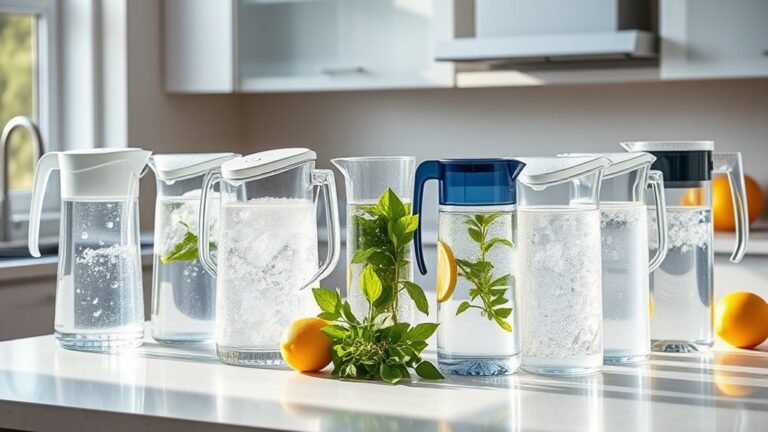
Many homes in New Hampshire face challenges with hard water, unpleasant tastes, or lingering contaminants in their tap water. Finding a reliable solution to improve water quality at the source can make a significant difference in daily health and comfort. The best water filter New Hampshire offers can address these concerns effectively by removing impurities and delivering cleaner, better-tasting water.
This product is suited for families, individuals, or anyone concerned about what’s in their drinking water. In this review, you will learn about the key features that set this water filter apart, how it performs in real-world conditions, and what benefits you can expect from using it at home.
The goal is to provide clear, practical information to help you decide if this water filter matches your needs for safe and pure water.
Discover Top Choices for Crystal-Clear, Refreshing H2O in the Granite State
| Image | Product | Price |
|---|
Top Water Filters for Pristine Drinking Water in New Hampshire: Your Ultimate Buying Guide
Understanding water quality in new hampshire
Water quality can vary widely across New Hampshire depending on the source, with well water often containing different contaminants compared to municipal supplies. Common impurities such as iron, manganese, and naturally occurring minerals frequently affect groundwater, while municipal water may include chlorine or chloramine used for disinfection.
Local water quality reports offer valuable insights by detailing specific contaminants found in your area, making it worthwhile to review them or conduct private testing to understand your household’s water profile. Being aware of these factors helps guide the choice of a water filter designed to target the substances present in your supply, whether that means reducing sediment, removing chemical residues, or improving taste. A filter suited for well water might focus on handling iron and sulfur, while options tailored for municipal systems often address chlorine and lead.
Considering these points ensures a more effective and tailored filtration system that matches your daily water use and delivers cleaner, better-tasting water.
Filter capacity and maintenance
When investing in a water filter, understanding how long the filter will last and how frequently it needs replacement is a key factor in making a smart choice. Most filters come with a specified lifespan, often measured in gallons filtered or months, which gives you an idea of when performance might begin to decline.
Ease of replacing the filter plays a significant role too; models that allow a quick twist-and-pull or simple snap-in design save time and reduce hassle during upkeep. Maintenance requirements vary depending on the type of system, but it generally involves keeping the unit clean and swapping out filters at recommended intervals to maintain water quality. Costs associated with upkeep can add up over time, so factoring in the price of replacement cartridges along with any tools or additional parts needed will help you budget effectively.
Opting for a model that balances filter longevity with accessible maintenance will result in a more enjoyable and dependable experience long term.
Types of water filters suitable for new hampshire
When choosing a water filter for everyday use in New Hampshire, considering the primary contaminants often found in local water supplies can guide your selection. Activated carbon filters excel at removing chlorine, unpleasant tastes, odors, and some organic compounds, making them an efficient and affordable choice for improving overall water quality. For those looking to reduce a broader range of impurities including heavy metals, nitrates, and dissolved solids, reverse osmosis systems provide a thorough filtration process by pushing water through a semi-permeable membrane, though these units typically require more space and maintenance.
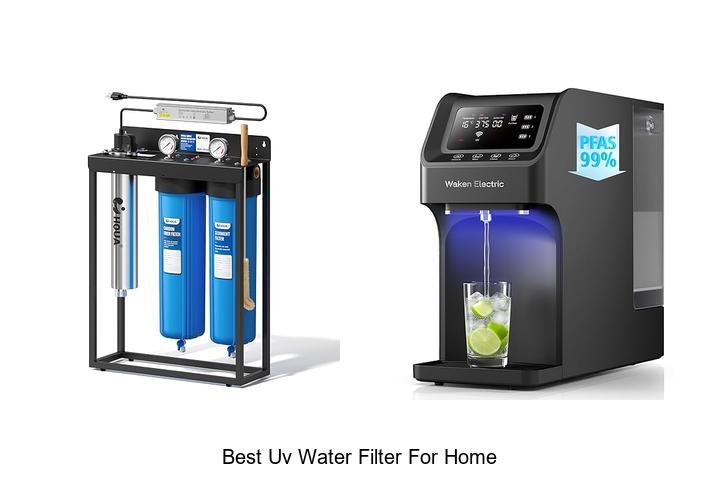
For those looking to reduce a broader range of impurities including heavy metals, nitrates, and dissolved solids, reverse osmosis systems provide a thorough filtration process by pushing water through a semi-permeable membrane, though these units typically require more space and maintenance. UV purification options add another layer of protection by targeting harmful bacteria and viruses through ultraviolet light, an especially useful feature if microbial contamination is a concern from private wells or less treated sources. Balancing the ease of installation, maintenance needs, and specific water quality goals helps in finding a system that fits daily household needs while maintaining safe and pleasant-tasting water.
Installation and space considerations
Choosing the best water filter in New Hampshire often involves deciding between undersink and countertop models, each with its own advantages related to installation complexity and how much space they occupy. Undersink filters typically require a bit more effort to install and may call for professional assistance to connect properly to your plumbing, but they tend to stay out of sight, freeing up countertop space in your kitchen.
Countertop filters are generally easier to set up yourself since they often just hook onto the faucet, making them a great option for renters or those who prefer a less permanent solution. However, they do take up visible space on your counters and may not fit comfortably in smaller kitchens. When selecting a unit, it’s wise to take accurate measurements of your available area and consider how much room you can allocate to the filter, especially for the undersink type where dimensions must fit within your cabinet without interfering with other items.
In my experience, understanding these practical factors alongside filtration capabilities can greatly simplify the decision process and lead to a satisfying purchase that suits both your home’s layout and your water quality needs.
Cost and warranty factors
Understanding the balance between initial purchase price and long-term expenses is key when selecting a water filter for use in New Hampshire. While some models may have a lower upfront cost, they can demand frequent replacements of cartridges or parts, which adds up over time.
Equally important is checking the warranty coverage since a robust warranty can offer peace of mind and protect against early defects or malfunctions, saving potential repair or replacement costs. Equally helpful is having access to reliable customer support in case any questions arise during setup or routine maintenance.
Before making a decision, verify the availability of replacement parts because filters that rely on proprietary or hard-to-find components may cause inconvenience and added expense in the long run. Selecting a water filter with a good balance of these factors will help provide clean water consistently without unexpected costs or hassles down the line.
Certification and standards
When evaluating the best water filter New Hampshire residents can rely on, paying attention to certifications and standards provides confidence in the product’s effectiveness and safety. Filters that have earned NSF/ANSI certification have undergone rigorous third-party testing to validate their contaminant removal capabilities, making these certifications a dependable benchmark. This kind of accreditation also signals compliance with both state and federal regulations, which is important given New Hampshire’s specific water quality concerns.
Such compliance helps confirm that the manufacturer’s claims about filtration performance are accurate and not just marketing slogans, offering peace of mind that the water you and your family consume meets recognized health standards. Selecting a water filter with these certifications ensures that you are investing in reliable technology designed to deliver clean, safe drinking water tailored to local conditions.
FAQ’s
How Effective Are Water Filters In Removing Contaminants Commonly Found In New Hampshire’S Water?
Water filters used in New Hampshire are generally effective at removing common contaminants such as sediment, chlorine, and certain bacteria, significantly improving water quality. However, their effectiveness can vary based on the filter type and the specific contaminants present, so choosing a filter certified for local water issues is important.
Are There Any Specific Certifications To Look For When Choosing A Water Filter In New Hampshire?
When choosing a water filter in New Hampshire, look for certifications from NSF International or the Water Quality Association (WQA), which ensure the filter meets safety and performance standards. Additionally, filters certified to remove contaminants common in the region, such as lead or arsenic, are recommended.
What Are The Top-Rated Water Filters Available In New Hampshire?
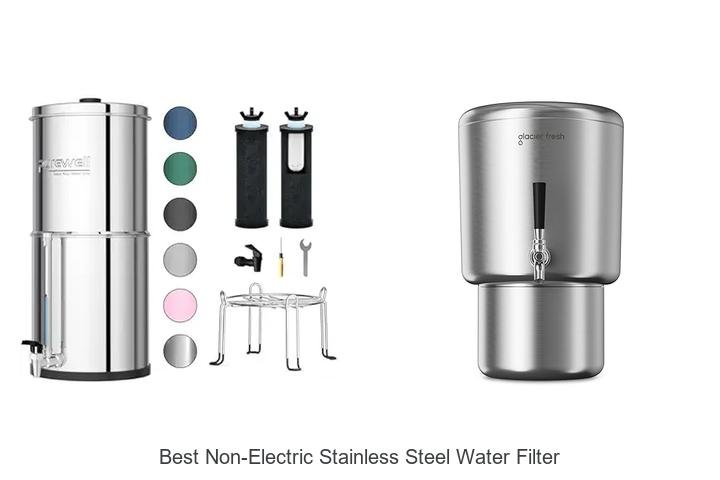
The top-rated water filters available in New Hampshire include brands like Brita, PUR, and Berkey, known for their effective filtration and reliability. Local hardware stores and online retailers also offer popular models such as the Aquasana Rhino and APEC reverse osmosis systems.
How Do Local Water Quality Reports In New Hampshire Influence The Choice Of Water Filters?
Local water quality reports in New Hampshire provide detailed information on specific contaminants present in the area’s water supply, helping residents identify which impurities need to be filtered. By understanding these reports, consumers can select water filters designed to target and remove the particular pollutants found in their local water.
Which Water Filter Brands Are Most Popular Among New Hampshire Residents?
Among New Hampshire residents, popular water filter brands include Brita and PUR for their affordability and ease of use, as well as Aquasana and Berkey for advanced filtration needs. These brands are well-regarded for effectively improving water quality in the region.
Conclusion
Choosing the best water filter New Hampshire offers depends on individual needs such as water source quality, budget, and desired filtration features. These filters effectively remove common contaminants found in the region’s water, improving taste and safety. While some models require regular maintenance or initial investment, their long-term benefits often outweigh these drawbacks.
Ideal for homeowners seeking cleaner, healthier water without frequent bottled water purchases, these options suit varying household sizes and water usage habits. Addressing common buyer concerns about installation and filter lifespan, many units come with clear guidelines and support.
Overall, selecting a reliable water filter tailored to your specific requirements can provide peace of mind and better water quality for years to come.