Best Water Filter NSF Certified: Top Picks You Can’t Miss
Many people want clean, safe water at home but worry about harmful contaminants that might still be present. Finding a reliable solution can be challenging when there are so many options on the market.
That’s why choosing the best water filter NSF certified matters—it guarantees the product meets strict safety and performance standards. The best water filter NSF certified models are designed for anyone looking to improve their drinking water quality. Whether you’re concerned about chlorine taste, heavy metals, or other impurities, these filters provide peace of mind through verified filtration.
They are suitable for families, individuals with sensitivities, or anyone aiming for better-tasting water. This review will help you understand what makes a water filter truly NSF certified, highlight some of the top products available, and explain how to pick the right filter based on your needs.
By the end, you should feel confident about selecting a water filter that delivers clean, healthier water every day.
Discover Top-Tier Filters That Meet the Highest Safety Standards
| Image | Product | Price |
|---|
The Ultimate Guide to Choosing the Best NSF Certified Water Filter for Clean, Safe Drinking Water
Filter lifespan and maintenance
When choosing a water filtration system, understanding how often the filter needs replacement can save both time and money. Typically, filters require changing every few months depending on usage and water quality, with common intervals ranging between three to six months.
This feature helps avoid guesswork and maintains water purity consistently. Maintenance ease also plays a valuable role; filters designed with straightforward access and user-friendly replacement parts make the upkeep process less cumbersome.
Availability of replacement cartridges from reputable suppliers ensures continued performance without delays or excessive costs. Selecting a system with clear instructions and widespread support can simplify the ongoing care and prolong the lifespan of the filtration unit, letting you enjoy fresh, clean water hassle-free for longer periods.
Understanding nsf certification
Choosing a water filter that carries NSF certification means you are selecting a product that has undergone rigorous testing and meets specific safety and quality standards established by a trusted independent organization. This certification signifies that the filter reliably reduces contaminants as claimed and does not introduce harmful substances into your water. Different NSF standards cater to various types of filtration such as removal of chlorine, lead, cysts, or bacteria, so understanding which contaminants you want to address will help tailor your choice.
Different NSF standards cater to various types of filtration such as removal of chlorine, lead, cysts, or bacteria, so understanding which contaminants you want to address will help tailor your choice. When a water filter adheres to these standards, it guarantees performance and durability, making it a dependable option for household use or specialized needs like improving tap water taste or safeguarding against specific pollutants. Trusting a certified filter offers peace of mind, ensuring cleaner, safer drinking water suitable for everyday consumption and cooking tasks.
In selecting the right model, focusing on the exact NSF standard your water source requires along with the filter’s capacity and replacement frequency will help make a practical decision that balances effectiveness with convenience.
Contaminants removed by nsf certified filters
Understanding contaminants removed by nsf certified filters starts with recognizing that these certifications guarantee a product’s ability to reduce specific impurities from water. Common contaminants covered often include chlorine, which affects taste and odor; lead, a hazardous heavy metal; and volatile organic compounds (VOCs) that can pose health risks. Different nsf certifications address distinct contaminant removal capabilities, such as NSF/ANSI 42 for aesthetic effects like chlorine taste and odor, and NSF/ANSI 53 for health-related contaminants like lead and VOCs.
Different nsf certifications address distinct contaminant removal capabilities, such as NSF/ANSI 42 for aesthetic effects like chlorine taste and odor, and NSF/ANSI 53 for health-related contaminants like lead and VOCs. Matching the filter’s capability with your local water quality is wise because not all filters address every contaminant equally. Testing your water or consulting local water quality reports can help determine which impurities you need to target.
Choosing a filter that aligns with both the certification standards for your concerns and the contaminants present will help provide cleaner, safer water for everyday use.
Installation and compatibility
When selecting the best water filter nsf certified, understanding the types of installation is a helpful starting point. Some filters are designed to attach directly to a faucet, offering a simple setup ideal for renters or those who want a quick solution without altering plumbing. Others might require under-sink installation, where the system connects to existing pipes and often demands more space but provides a steady supply of filtered water.
Tank-based filters or whole-house systems typically need professional installation due to their complexity and connection with main water lines. Considering compatibility with your current plumbing or fixtures is wise, as certain filters fit only specific faucet types or pipe sizes, and mismatches could lead to leaks or reduced efficiency.
While some installations can be handled confidently by someone with basic DIY skills, others benefit from hiring a licensed plumber to ensure proper sealing and adherence to local codes. This approach not only protects your investment but also avoids potential water damage from incorrect setups.
Keeping ease of installation and compatibility in mind can make the process smoother and help you enjoy cleaner water without hassle.
Cost and warranty considerations
When choosing the best water filter nsf certified, balancing the initial purchase price against long-term costs is a practical approach. Filters that come with replaceable cartridges or components may require ongoing investment, so understanding the frequency and cost of replacements helps in budgeting effectively.
Warranty coverage often varies between manufacturers, with some offering extended support periods and responsive customer service that can provide peace of mind if issues arise. Evaluating value for money involves more than just price; considering the range of features such as filtration capacity, flow rate, and the specific contaminants removed—combined with NSF certification—ensures that the water filter performs reliably and meets safety standards. Overall, selecting a water filter that aligns with personal usage needs while offering robust support and cost-efficiency tends to be the most rewarding choice over time.
Types of water filters with nsf certification
When choosing a water filter that carries NSF certification, understanding the different types available can greatly simplify the decision. Pitcher and faucet-mounted filters stand out for their convenience and affordability, making them suitable for those who want quick access to cleaner water without complex installation. These options typically address common contaminants and improve taste, fitting well in small kitchens or rental spaces.
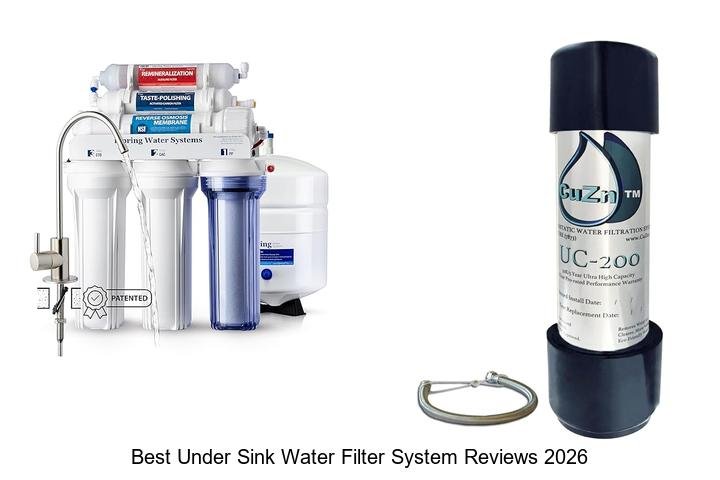
Undersink and countertop filters offer a more robust solution by integrating directly with your plumbing, providing higher filtering capacity and often targeting a broader range of impurities. They are ideal for families or individuals who prioritize long-term use and cleaner water throughout daily activities.
Reverse osmosis systems go a step further with advanced filtering technology that removes a wide array of contaminants including heavy metals, chlorine, and some bacteria, resulting in some of the purest water available for home use. While these systems tend to require professional installation and maintenance, their effectiveness appeals to those focused on health or dealing with specific water quality issues.
Choosing the right filter involves balancing convenience, water quality needs, and budget. Opting for a unit with certified performance helps guarantee that the product meets rigorous safety and efficacy standards, ensuring peace of mind alongside cleaner water.
FAQ’s
Which Brands Offer The Best Nsf-Certified Water Filters?
Brands like Brita, PUR, and ZeroWater are known for offering some of the best NSF-certified water filters. These brands are recognized for their rigorous testing and effective filtration performance.
What Does Nsf Certification Mean For Water Filters?
NSF certification for water filters means the product has been independently tested and verified to meet strict safety and performance standards. It ensures the filter effectively reduces contaminants and is safe for use in drinking water.
How Do Nsf-Certified Water Filters Improve Water Quality?
NSF-certified water filters improve water quality by rigorously meeting strict standards for contaminant reduction, ensuring the removal of harmful substances like bacteria, chlorine, and heavy metals. This certification guarantees that the filter performs effectively and safely, providing cleaner and healthier water.
How Can I Verify If A Water Filter Is Genuinely Nsf Certified?
To verify if a water filter is genuinely NSF certified, check for the official NSF mark on the product or packaging and visit the NSF International website to cross-reference the certification with the product model. Additionally, ensure the certification details match the specific claims made by the manufacturer.
What Types Of Contaminants Do Nsf-Certified Water Filters Remove?
NSF-certified water filters remove a wide range of contaminants including bacteria, chlorine, lead, pesticides, and volatile organic compounds (VOCs). They are tested to ensure the reduction of specific harmful substances to improve water safety and taste.
Conclusion
Choosing the best water filter NSF certified offers reliable assurance of effective contaminant removal and safety standards compliance. While some models may have higher initial costs or require regular cartridge replacements, the long-term benefits of cleaner, better-tasting water typically outweigh these drawbacks.
For buyers seeking trustworthy filtration, considering the NSF certification adds an extra layer of confidence in performance claims. Balancing cost, maintenance, and filtration efficiency will guide consumers toward the most suitable option.
Ultimately, selecting the best water filter NSF certified helps make a well-informed decision that prioritizes health and quality without unnecessary compromise.