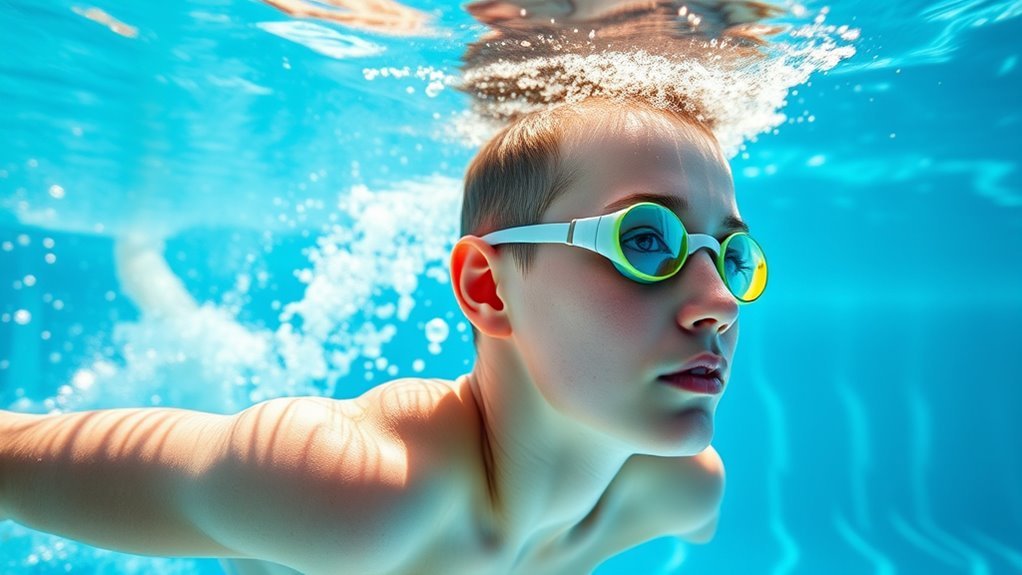
How to Swim Safely With Tubes in Your Ears
To swim safely with tubes in your ears, it is crucial to use specially designed, water-tight ear plugs made from soft silicone or custom molds. Wearing a snug swim cap helps secure the plugs and provides extra protection. These precautions are key to preventing water from entering the ear tubes.
Avoid diving or jumping into the water to prevent damaging the tubes. After swimming, tilt your head to help drain any trapped water from the ears.
Gently dry your ears and follow any prescribed ear drops to reduce the risk of infection. Understanding proper care and precautions is essential to keep your ears healthy and avoid complications.
Understanding Ear Tubes and Their Purpose
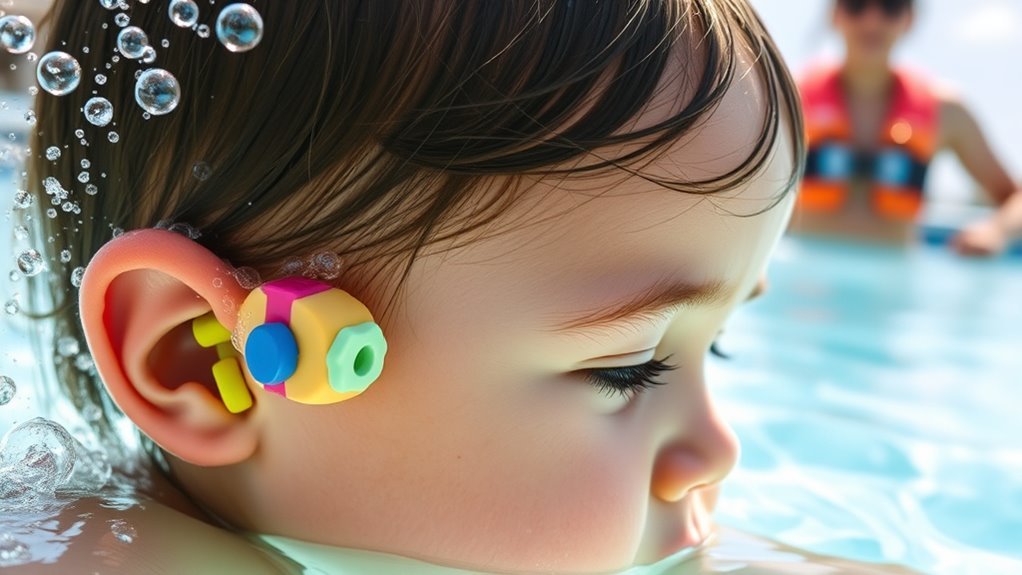
Although you mightn’t be familiar with them, ear tubes play an essential role in preventing fluid buildup and infections in your middle ear. These tiny tubes, often made of plastic or metal, are inserted through the eardrum to equalize pressure and allow fluid to drain out.
If you’ve had frequent ear infections or persistent fluid, your doctor might recommend ear tubes to reduce discomfort and protect your hearing. Once placed, they help maintain proper ventilation in the middle ear, which is important for normal ear function.
Understanding their purpose helps you appreciate why you need to take extra care, especially when swimming. Keeping your ears dry and protected supports the tubes’ function and keeps infections at bay.
Risks of Swimming With Ear Tubes

When you swim with ear tubes, water can easily enter your middle ear, increasing the risk of infection. This happens because the tubes create a direct path for water to bypass the natural protective barriers of your ear.
If bacteria or irritants get trapped, you might develop swimmer’s ear or a middle ear infection, which can cause pain, swelling, and even temporary hearing loss. You also risk inflammation around the tube site, which could delay healing or lead to complications.
Even small amounts of contaminated water can cause problems, so it’s important to be cautious.
Understanding these risks helps you take the right precautions to protect your ears while enjoying swimming safely.
Choosing the Right Ear Protection

Protecting your ears from water is the best way to prevent infections when you have ear tubes.
To choose the right ear protection, look for products specifically designed for swimmers with ear tubes. These usually offer a secure fit to keep water out while remaining comfortable.
Choose ear protection made for swimmers with ear tubes for a secure, comfortable, and water-tight fit.
Consider soft silicone earplugs that mold to your ear shape or custom-molded plugs made by an audiologist for a perfect seal.
Avoid generic plugs that may not seal well, as water can still enter.
Also, check for hypoallergenic materials to prevent irritation.
Your ear protection should be durable and easy to clean to maintain hygiene.
Selecting the right gear ensures you enjoy swimming without risking ear infections or discomfort.
How to Properly Use Ear Plugs and Swim Caps
To keep water out of your ears effectively, you need to insert ear plugs correctly and wear a swim cap that fits snugly over them. Start by cleaning your hands and drying your ears.
Gently roll the ear plugs into a thin cylinder and insert them deep enough to seal the ear canal without causing discomfort. Avoid pushing too hard, which can irritate your ears.
Next, pull your swim cap over your head, making sure it covers your ears and holds the plugs securely in place. Choose a cap made of silicone or latex for a tighter fit.
This combination forms a reliable barrier against water, reducing the risk of infection or irritation while you swim with tubes in your ears. Always check the fit before entering the water.
Preparing Your Ears Before Swimming
After securing your ear plugs and swim cap, you should focus on preparing your ears to handle the water exposure. Start by gently cleaning the area around your tubes with a soft cloth to remove any dirt or oils. Avoid inserting anything deep into the ear canal.
Next, apply a few drops of a recommended ear drying solution to help prevent moisture buildup. Finally, give yourself a quick check in the mirror to ensure everything fits snugly and feels comfortable.
| Step | Why It Matters |
|---|---|
| Clean around tubes | Prevents infection and irritation |
| Use ear drying drops | Minimizes moisture retention |
| Check fit | Ensures protection stays in place |
Techniques to Prevent Water From Entering Ear Tubes
While swimming with ear tubes, you’ll want to use techniques that create a reliable barrier against water. Protecting your ears prevents infections and discomfort.
Creating a reliable water barrier while swimming with ear tubes helps prevent infections and discomfort.
Start by wearing custom-fitted earplugs designed specifically for swimmers with tubes. These plugs form a tight seal.
Next, consider using a swim cap that fits snugly over your ears to add an extra layer of protection. Avoid plunging deep or submerging your head abruptly, as sudden pressure changes can force water into the tubes.
Finally, tilt your head to the side after swimming to help any trapped water drain out gently.
- Use custom-fitted earplugs made for ear tubes
- Wear a tight swim cap covering your ears
- Avoid sudden head submersion or deep dives
- Tilt your head to drain water after swimming
Post-Swimming Care for Ear Tubes
Although protecting your ears during swimming is essential, you also need to care for your ear tubes immediately afterward. Once you finish swimming, gently dry your ears with a soft towel to remove any moisture around the tubes.
Avoid inserting cotton swabs or other objects into your ears, as this can irritate the tubes or push water deeper. If your doctor recommends, use prescribed ear drops to help prevent irritation or infection.
Keep your head tilted to each side to help any trapped water drain naturally. Regularly check the area around your tubes for any unusual discharge or discomfort, and keep your follow-up appointments with your healthcare provider.
This post-swimming care helps maintain the tubes’ function and reduces the risk of complications.
Signs of Infection or Complications to Watch For
If you notice pain, redness, or swelling around your ear tubes, you should contact your doctor promptly, as these signs may indicate an infection.
Besides these, watch for other symptoms that suggest complications.
Be alert for additional symptoms that may indicate complications requiring prompt medical attention.
You might experience drainage from the ear, which can be clear or pus-like. Hearing changes or a feeling of fullness in the ear can also signal issues.
Additionally, if you develop a fever, it’s important to seek medical advice.
Keep an eye out for:
- Persistent or worsening ear pain
- Unusual discharge or foul smell from the ear
- Hearing loss or muffled sounds
- Fever or general feeling of unwellness
Recognizing these signs early helps you get timely treatment and avoid further problems.
When to Avoid Swimming With Ear Tubes
You should avoid swimming with ear tubes when your ears show signs of infection or irritation, as water exposure can worsen these conditions. If you notice pain, redness, swelling, or discharge, hold off on swimming until your ears fully heal.
Also, avoid swimming if you have a recent ear surgery or if your tubes were just placed, since the area needs time to stabilize. Swimming in dirty or untreated water increases the risk of infection, so steer clear of lakes, rivers, or poorly maintained pools.
Additionally, avoid diving or jumping into water, as sudden pressure changes can harm your ears. Protect your ears by staying dry during these vulnerable times to prevent complications and guarantee a safer swimming experience.
Consulting Your Doctor About Swimming Activities
Before you plunge into swimming with ear tubes, make sure to consult your doctor to get personalized advice based on your ear health and tube placement. Your doctor will assess whether swimming is safe for you and recommend protective measures to prevent infection or complications.
They can guide you on the type of ear plugs or barriers suitable for your situation. Also, your doctor will inform you about signs of trouble to watch for post-swimming.
Here’s what to discuss with your doctor:
- Whether your current ear tubes are stable enough for swimming
- Recommended types of ear protection while swimming
- How to clean and care for your ears post-swim
- Symptoms that require immediate medical attention after swimming
Following your doctor’s advice helps keep your ears healthy and safe.
Frequently Asked Questions
Can Swimming With Ear Tubes Affect My Balance?
Yes, swimming with ear tubes can affect your balance because water entering your ears might cause discomfort or dizziness.
You should use ear protection and avoid deep water to minimize any balance issues while swimming safely.
Are There Specific Swimming Strokes Better for Ear Tube Safety?
Like riding a gentle wave, freestyle and backstroke keep your head mostly above water, reducing pressure on ear tubes. You’ll want to avoid strokes that immerse your ears deeply, keeping your swim safe and comfortable.
How Do Ear Tubes Affect Underwater Hearing?
Ear tubes can change how you hear underwater by allowing water and sound to enter your middle ear more easily, which might make sounds seem louder or different.
You’ll notice a unique underwater hearing experience compared to normal ears.
Can Ear Tubes Be Removed Temporarily for Swimming?
You can’t just pull out ear tubes like a loose tooth for swimming; they’re usually surgically placed. Instead, protect your ears with waterproof earplugs or swim caps to keep water out and avoid any complications.
Do Ear Tubes Impact the Use of Snorkeling or Diving Gear?
Yes, ear tubes can affect how you use snorkeling or diving gear. You might experience discomfort or water leakage, so you should use specially designed earplugs or consult your doctor for safe options before diving or snorkeling.
Conclusion
Swimming with ear tubes requires extra care, but with the right protection, you can enjoy the water safely. Think of your ear tubes like delicate flowers—you need to safeguard them from harsh conditions to keep them healthy.
Always use waterproof earplugs and swim caps, prepare your ears beforehand, and watch for any signs of infection. These steps help minimize the risk of water getting into the tubes and causing problems.
When in doubt, consult your doctor to ensure your swimming routine stays safe and enjoyable. Swimming safely with ear tubes means taking these precautions seriously to protect your ears and maintain your health.