
How Do You Lower Cyanuric Acid in Your Swimming Pool?
Managing cyanuric acid levels can be tricky, but knowing the right methods to lower it will protect your pool’s water quality and clarity.
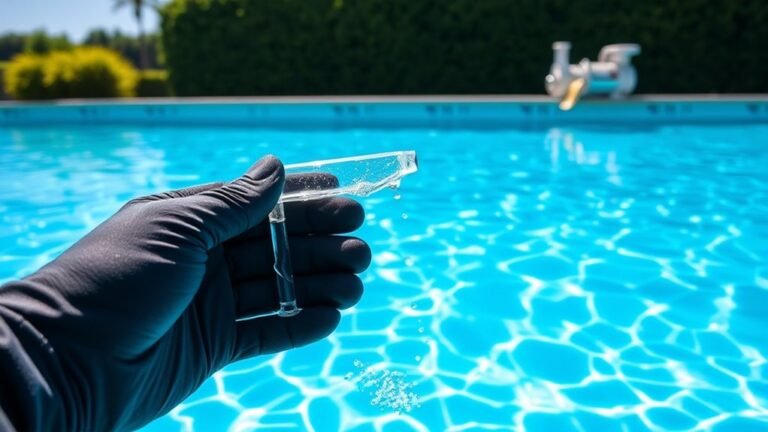
Managing cyanuric acid levels can be tricky, but knowing the right methods to lower it will protect your pool’s water quality and clarity.
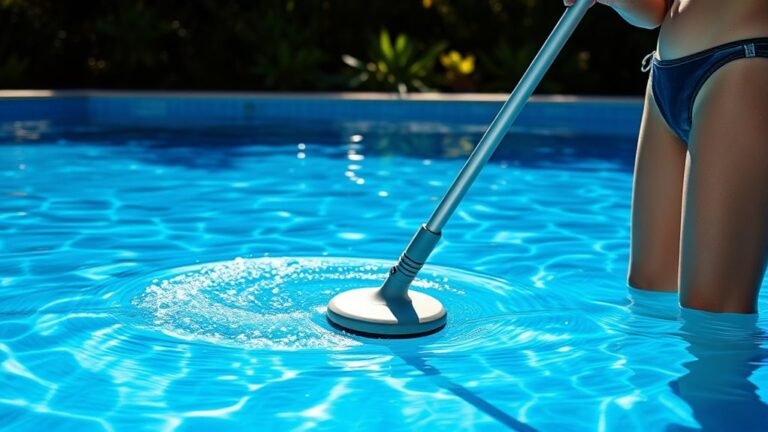
To vacuum your swimming pool in 7 easy steps, start by gathering your vacuum head, telescoping pole, hose, and skimmer plate. Attach the vacuum head to the pole, then connect the hose to the head and skimmer.
Submerge the hose fully to purge air, then turn on your pool pump. Slowly vacuum the pool floor in overlapping strokes for thorough cleaning.
Once done, clean and store your equipment properly. Follow these tips, and you’ll have a pristine pool in no time.
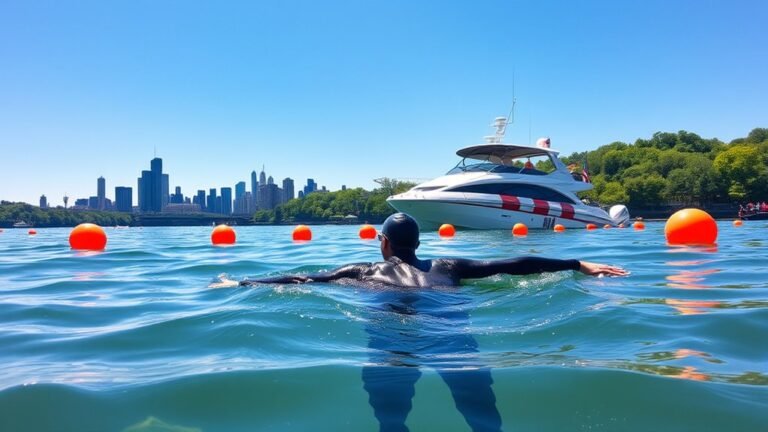
Navigating safety in the Hudson River requires knowing key tips and spots to swim confidently and avoid hidden dangers—discover how to stay protected.

To teach your kids to swim, start by building their comfort in shallow water using fun activities like splashing and blowing bubbles to boost confidence.
Next, introduce basic skills such as floating, kicking, and coordinated arm strokes once they’re comfortable. Always stay close and supervise carefully to keep them safe.
Creating a positive and secure environment is key to success. Keep going, and you’ll uncover more tips to make swim lessons enjoyable and effective.
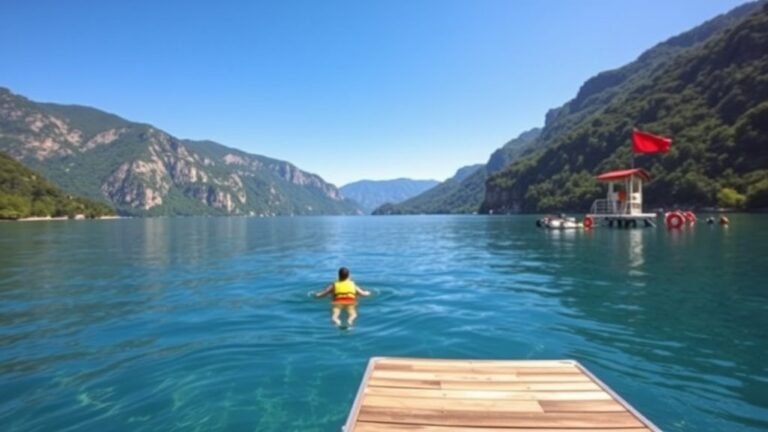
How can you navigate Lake Como’s waters safely and enjoy every swim? Discover essential tips that ensure your adventure remains secure and unforgettable.

To remove your direct debit from Goldfish Swim School, first review your membership terms and gather your payment details. Next, contact the swim school’s customer service to request cancellation and get confirmation.
Then, notify your bank to stop the direct debit on their end. Monitor your bank statements for any unexpected charges and keep all cancellation proof for your records.
Following these steps carefully will help you smoothly end your payments. Keep going to uncover helpful tips for a hassle-free process.

Only by following proper care and timing can you swim safely after an ear piercing—discover the essential steps to protect your healing ear.
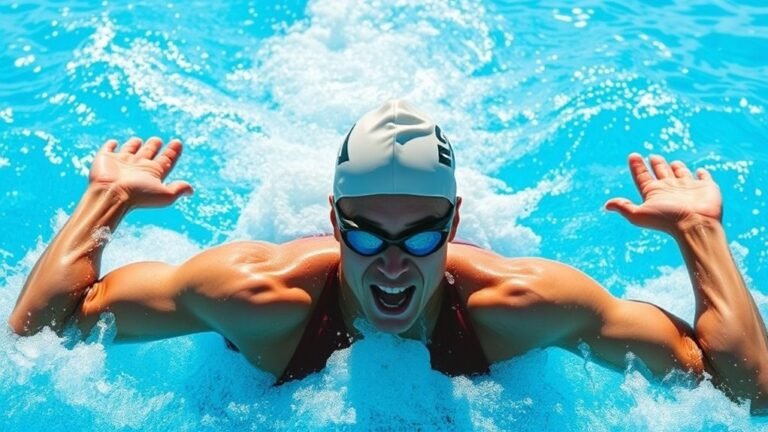
You burn calories swimming based on your weight, stroke, intensity, and duration. Heavier people burn more calories because moving their body requires more energy.
Intense strokes like butterfly burn more calories per minute than breaststroke. Swimming faster or longer also boosts calorie burn considerably. For example, a 155-pound person can burn about 410 calories in 30 minutes at moderate effort.
Keep swimming smart, and you’ll find ways to maximize your calorie burn and fitness results.

Manage your pool’s chemistry carefully after shocking to swim safely in 12 hours; discover essential steps to ensure balanced, clear water.

After shocking your pool, you should wait at least 8 to 24 hours before swimming to let chlorine levels drop below 3 ppm for safety. The exact time depends on the shock type, water temperature, and pool size.
Non-chlorine shocks require only about 15-30 minutes, while calcium hypochlorite needs longer. Always test your water to confirm it’s safe and comfortable to swim in. Keep going to discover tips that help you swim sooner and stay safe.