Blog

  • How You Can Swim Safely in Yellowstone Lake

    To swim safely in Yellowstone Lake, know the water is very cold year-round, often below 50°F, so wear a wetsuit to prevent hypothermia. Always swim with a buddy in designated areas during daylight, and check weather conditions before you go.

    Stay close to shore to avoid strong currents, keep your distance from wildlife, and be ready to exit if conditions change. Following these tips will help you enjoy the lake safely and confidently. There’s more to learn about staying protected out there.


  • How You Can Swim Safely in Period Underwear

    You can swim safely in period underwear by choosing waterproof, quick-drying styles designed for aquatic use with a snug fit to prevent leaks. Before swimming, rinse and make sure your underwear is clean and dry.

    Wear it like regular swimwear and enter the pool confidently, changing promptly if you notice any discomfort. Proper care after swimming, like rinsing and gentle washing, keeps them effective.

    Keep going to discover how to select and care for the best options for your swim days.

  • How You Can Swim Safely at Big Bear Lake

    To swim safely at Big Bear Lake, stay alert to the rapidly changing weather and watch for afternoon winds or storms. Check the water temperature beforehand and wear a wetsuit if it’s cold.

    Swim only in designated safe areas away from boats and hazards, and use proper gear like life jackets and goggles. Always swim with a buddy to keep each other safe.

    Keep these tips in mind, and you’ll be better prepared to enjoy the water comfortably and securely.

  • How to Swim Safely After You Get Your Ears Pierced

    To swim safely after getting your ears pierced, wait until the initial healing period, usually 6-8 weeks for lobes. Avoid submerging your ears to reduce infection risks from pool or lake bacteria.

    If you must swim, wear waterproof earplugs or a swim cap for protection. Rinse your ears with fresh water and dry them thoroughly afterward. Don’t touch your earrings with wet hands, and follow your aftercare routine closely.

    Keep these habits in mind to support proper healing and avoid complications.

  • How to Swim Safely After Shocking Your Pool

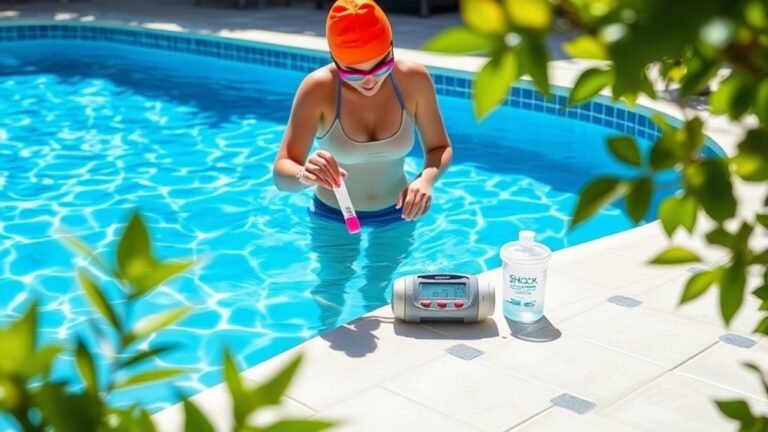
    After shocking your pool, you shouldn’t swim immediately. Wait at least 8 to 24 hours and test the chlorine levels using a reliable kit. They should be between 1-3 ppm for safe swimming.

    Also, check that your water’s pH, alkalinity, and calcium hardness are balanced for comfort and safety. Keep your pump running to distribute chemicals evenly, and only jump in once all levels are stable.

    Exploring these steps closely will help you enjoy your pool safely.

  • How You Can Go Swimming Safely With a UTI

    If you have a UTI, you can still swim safely by avoiding swimming when symptoms worsen, or if you have fever, chills, or blood in your urine. Choose breathable, comfortable swimwear and always shower before entering the pool.

    Change out of wet swimwear promptly and stay hydrated to help flush out bacteria. Urinate before and after swimming to reduce irritation. Taking these steps helps protect your urinary tract, and there are more ways to ease your symptoms while staying active.

  • How to Swim Safely With Contact Lenses

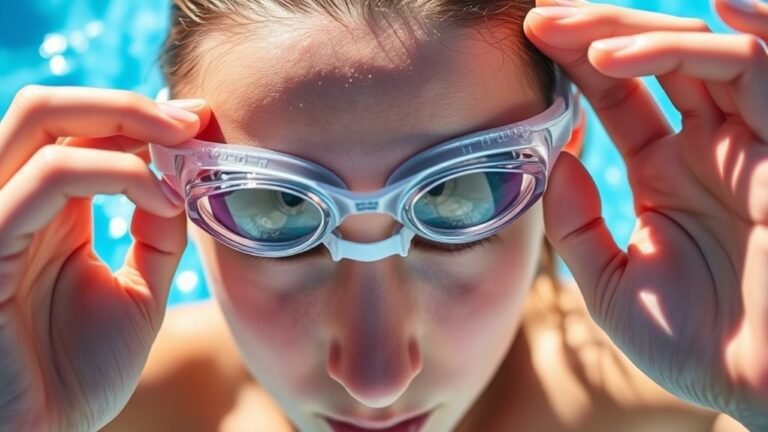
    To swim safely with contact lenses, choose daily disposables and wear snug-fitting goggles to protect your eyes from water and germs. Always wash your hands before handling lenses, and avoid rubbing your eyes while wearing them.

    After swimming, remove your lenses promptly and clean them with recommended solutions, never tap water. Watch for any redness or discomfort and take breaks if needed.

    If you want to understand all the best practices and precautions for swimming with contacts, keep exploring these helpful tips.

  • How to Swim Safely After Getting a Tattoo

    You should wait at least 2 to 4 weeks before swimming to let your tattoo fully heal and avoid infections. Pools, lakes, and oceans can expose your fresh tattoo to bacteria and chemicals that irritate your skin and damage the ink.

    If you must swim sooner, use a waterproof bandage, but avoid scrubbing or picking at scabs. Proper aftercare keeps your tattoo vibrant and healthy.

    Keep going to discover how to protect and care for your tattoo in and out of the water.

  • Why Is My Swimming Pool Cloudy After Cleaning?

    Your pool turns cloudy after cleaning because disturbed debris and sediment get stirred up, and your filter might not be running long enough to clear tiny particles. Chemical imbalances like off pH or sanitizer levels also reduce water clarity by allowing contaminants and algae to grow.

    Plus, clogged filters or improper cleaning methods can worsen the fogginess. If you want to restore sparkling clarity and prevent future cloudiness, there are key steps you should know.

  • Why Is My Betta Fish Swimming Sideways?

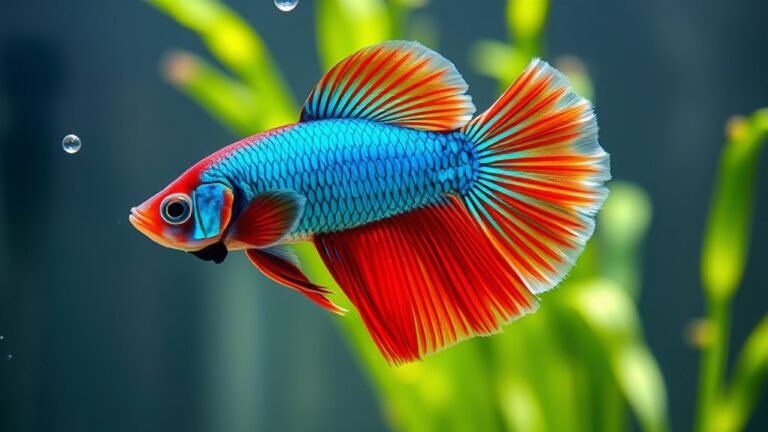
    If your betta fish is swimming sideways, it’s likely dealing with swim bladder issues that affect their balance and buoyancy. Poor water quality, overfeeding, or internal infections can cause this behavior, along with stress from overcrowding or sudden changes.

    Sometimes physical injuries or parasites disrupt their movement, too. Keeping the tank clean, feeding properly, and watching for signs of illness can help prevent it. There’s more to explore about why this happens and how to fix it.