Why Is My Swimming Pool Cloudy After Cleaning?
Your swimming pool turns cloudy after cleaning because disturbed debris and sediment get stirred up, and your filter might not be running long enough to clear tiny particles. Chemical imbalances like off pH or sanitizer levels also reduce water clarity by allowing contaminants and algae to grow.
Plus, clogged filters or improper cleaning methods can worsen the fogginess. If you want to restore sparkling clarity and prevent future cloudiness, there are key steps you should know.
Common Causes of Cloudy Pool Water
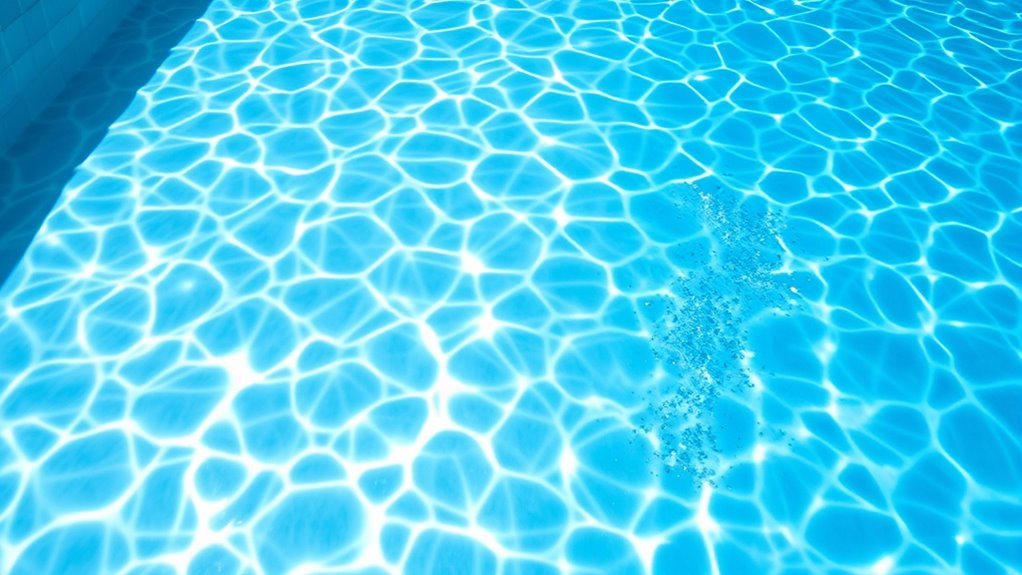
Although you’ve just cleaned your pool, you might still notice cloudy water due to several common causes. One frequent culprit is poor filtration. Your filter may not be running long enough or could be clogged, preventing it from clearing fine particles.
Another cause is the presence of organic debris like leaves, pollen, or algae, which can remain suspended even after cleaning. Hard water minerals also contribute by causing scale buildup, making the water appear hazy.
Organic debris and hard water minerals can leave your pool water hazy despite cleaning efforts.
Additionally, stirring up sediment from the pool floor during cleaning can temporarily cloud the water.
In conclusion, high levels of dissolved solids from repeated chemical additions or environmental factors may reduce water clarity.
Identifying these issues helps you take targeted steps to restore sparkling pool water quickly.
Impact of Chemical Imbalance on Water Clarity
Beyond filtration and debris, chemical imbalance plays a major role in why your pool water looks cloudy after cleaning. If your pH, alkalinity, or sanitizer levels are off, minerals and contaminants won’t properly bind or settle, causing a hazy appearance.
For example, high pH makes chlorine less effective, letting algae and bacteria thrive, which clouds the water. Low alkalinity causes pH swings, stressing your pool chemistry and encouraging cloudiness.
Also, if calcium hardness is too high, it can cause scale buildup, making water murky.
To fix this, test your water regularly with reliable kits and adjust chemicals accordingly. Keeping chemical levels balanced ensures particles clump together, making them easier to remove and leaving your pool crystal clear after cleaning.
Role of Filtration Systems in Maintaining Clear Water

Since your pool’s filtration system works constantly to remove dirt, debris, and microscopic particles, it plays an essential role in keeping the water clear after cleaning.
Your pool’s filtration system is key to removing dirt and keeping water crystal clear.
If your filter isn’t running long enough or is clogged, those tiny contaminants stay suspended, making the water look cloudy.
You need to check your filter regularly. Clean or backwash it as recommended to guarantee it performs efficiently.
Also, running the filtration system for at least 8-12 hours daily after cleaning helps clear residual particles.
Don’t forget to inspect the pump and skimmer baskets, as blockages there can reduce water flow and strain the filter.
Effects of Pool Cleaning Methods on Water Quality
When you choose certain pool cleaning methods, they directly impact your water’s clarity and balance. For example, using a pool vacuum too aggressively can stir up settled debris, making your water cloudy.
Skimming surface debris regularly helps, but if you rely solely on it without proper brushing, algae and dirt can cling to pool walls, affecting water quality.
Chemical cleaners, if not measured correctly, can throw off your pool’s pH and sanitizer levels, causing cloudiness.
On the other hand, using enzyme-based cleaners can break down organic contaminants without harsh chemicals, promoting clearer water.
Always follow manufacturer instructions and balance mechanical cleaning with proper chemical treatment to maintain water clarity and prevent cloudiness after cleaning.
How Environmental Factors Contribute to Cloudiness
Although you maintain your pool regularly, environmental factors can still cause your water to turn cloudy. Even the cleanest pool isn’t immune to outside influences that affect water clarity. Here are three common environmental contributors:
- Pollen and Dust: Seasonal pollen and airborne dust settle into your pool, introducing particles that cloud the water.
- Rain and Runoff: Sudden rainstorms can bring dirt, leaves, and debris, overwhelming your filtration system.
- Algae Growth: Warm temperatures combined with sunlight promote algae, which can quickly make water murky if not controlled.
Being aware of these factors helps you understand why your pool might look cloudy even after cleaning. These elements add impurities that your regular cleaning may not immediately remove.
Practical Solutions to Clear Up Cloudy Pool Water
To clear up cloudy pool water effectively, you need to tackle both the causes and symptoms head-on. Start by testing your water’s pH, alkalinity, and sanitizer levels, adjusting them to the recommended ranges.
Shock your pool with a chlorine-based shock treatment to eliminate contaminants causing cloudiness. Run your pool filter continuously for at least 24 hours to help clear suspended particles.
Consider adding a pool clarifier to bind tiny particles together, making it easier for your filter to remove them. Regularly clean your filter to maintain *best* performance.
Finally, avoid swimming or adding debris to the pool while treating it. By following these steps, you’ll restore your pool’s clarity and enjoy crystal-clear water in no time.
Frequently Asked Questions
How Often Should I Test My Pool Water After Cleaning?
You should test your pool water at least every 2-3 days after cleaning to guarantee proper chemical balance. Frequent testing helps catch issues early, keeping your water clear and safe for swimming. Don’t skip it!
Can Cloudy Pool Water Cause Skin Irritation?
Yes, cloudy pool water can cause skin irritation because it often indicates improper chemical balance or contaminants.
You should test and adjust your pool’s chemistry regularly to keep the water clear and safe for your skin.
Is It Safe to Swim Immediately After Adding Clarifiers?
You shouldn’t swim immediately after adding clarifiers. Wait at least 24 hours to let the chemicals work and settle.
Swimming too soon can cause skin irritation or eye discomfort, so be patient for safety and clarity.
What Type of Pool Filter Is Best for Preventing Cloudiness?
You’ll want a cartridge filter because it traps smaller particles better, preventing cloudiness. Sand filters work well too but might miss fine debris.
Make sure to clean your filter regularly for the best clarity.
Can Pool Covers Affect Water Clarity After Cleaning?
Wondering if pool covers affect water clarity after cleaning? Yes, they can trap debris and limit sunlight, which impacts water balance.
You should remove or clean the cover regularly to keep your pool sparkling clear.
Conclusion
Cloudy pool problems can puzzle any pool owner, but pinpointing the primary causes quickly clears the confusion. By balancing chemicals, checking your filtration, and considering environmental elements, you can combat cloudiness confidently.
Consistent cleaning coupled with careful care creates crystal-clear comfort. So, stay proactive, prevent persistent problems, and plunge into perfectly pristine pool waters every time.
Clear, cool, and mesmerizing—your pool’s clarity is just a few simple steps away! Remember, understanding why your swimming pool is cloudy after cleaning helps you maintain sparkling, inviting water all season long.