How Long After a Piercing Can You Swim?
You should wait at least two to four weeks before swimming after getting a piercing to avoid infection. Swimming with a fresh piercing can expose the open skin to water, bacteria, and pool chemicals, which may irritate the area and slow healing or cause complications. Healing times vary depending on the piercing location, so it’s important to stay cautious.
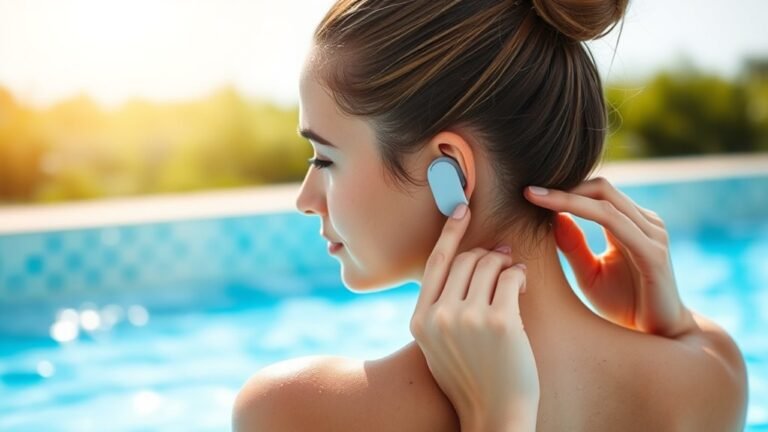
If you want to swim sooner, using waterproof covers can help protect your piercing. However, it’s still best to handle your new piercing carefully to prevent any issues.
Keep an eye out for signs of infection, such as redness, swelling, or discharge. Learning more about how to care for your piercing when in contact with water will help ensure a smooth healing process.
Healing Timeframes for Different Piercing Types
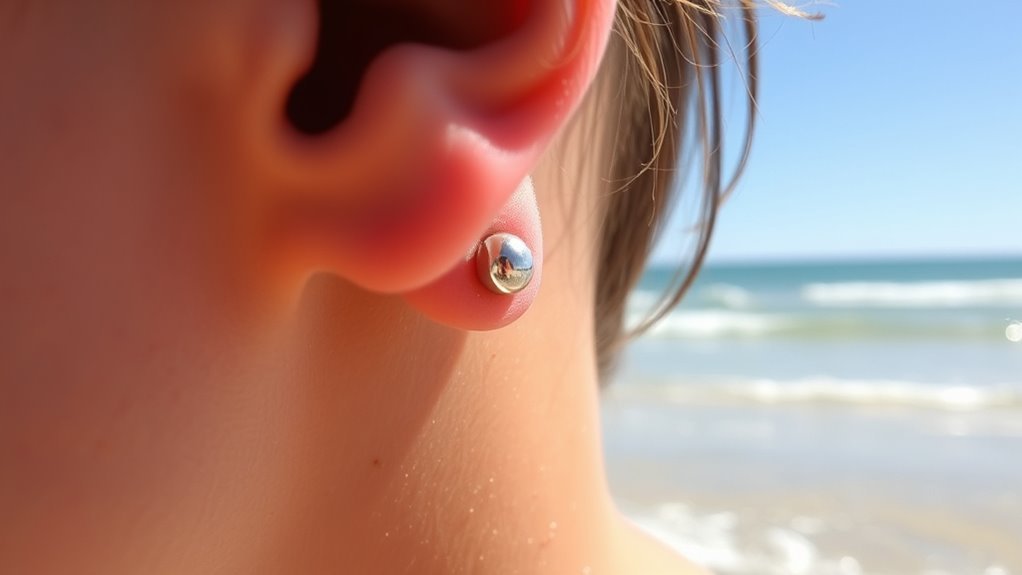
Although healing times vary, you should know that different piercings require specific care periods before you can safely swim.
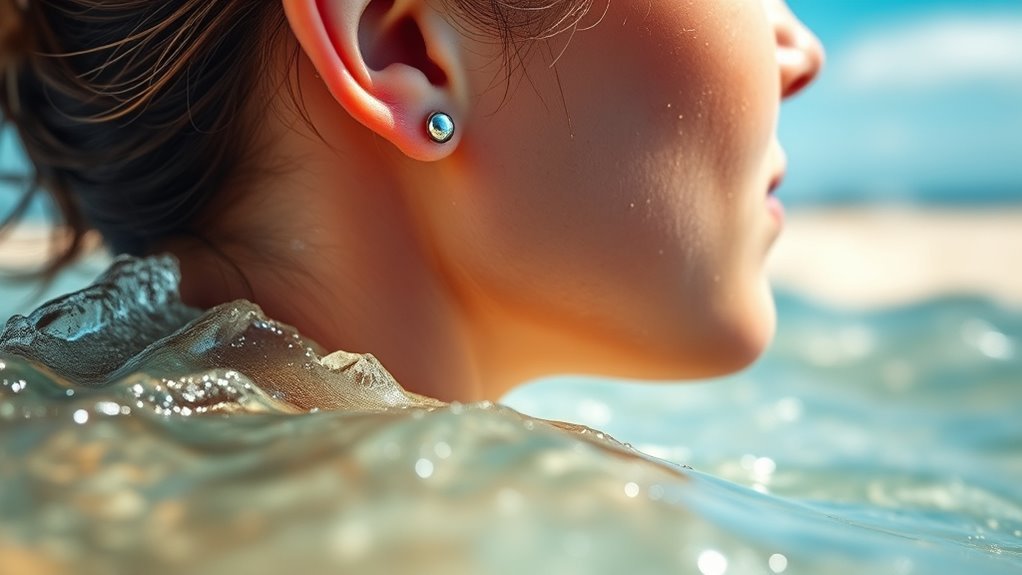
Ear lobe piercings generally heal within 6 to 8 weeks, so you can usually swim after that.
Ear lobe piercings typically heal in 6 to 8 weeks, making swimming safe afterward.
Cartilage piercings need more time. Expect 3 to 6 months of healing.
Nose piercings typically take 2 to 4 months, while lip and eyebrow piercings require about 6 to 8 weeks.
Naval piercings demand a longer healing period, often 6 months or more.
Tongue piercings heal faster, around 4 weeks, but still need care before swimming.
You’ll want to avoid swimming until your piercing has closed enough to prevent waterborne bacteria from causing infections.
Follow your piercer’s advice closely to know when it’s safe to enjoy the water again.
Risks of Swimming Too Soon After Piercing
Knowing the healing timeframes helps, but swimming too soon after a piercing can expose you to serious risks. When your piercing is fresh, the skin is open and vulnerable, making it easier for bacteria and other pathogens in water to enter your body.
Swimming in pools, lakes, or oceans increases your risk of infection, which can cause redness, swelling, pain, and even pus discharge. You might also experience delayed healing or scarring if you don’t protect the area properly.
Additionally, chemicals like chlorine in pools can irritate the piercing, worsening discomfort and slowing recovery. To avoid these complications, it’s vital to wait until your piercing has sufficiently healed before exposing it to potentially contaminated water.
Your body will thank you for the extra care.
Ideal Waiting Period Before Swimming in Pools
Since pools contain chemicals and bacteria that can irritate or infect a fresh piercing, you should wait at least 2 to 4 weeks before swimming. This waiting period allows your piercing to form a protective layer of skin, reducing the risk of inflammation or infection.
Keep in mind that healing times vary depending on the piercing location and your body’s response, so you might need to wait longer. During this time, avoid submerging your piercing in pool water and focus on keeping it clean and dry.
If you must swim sooner, protect your piercing with a waterproof bandage, but this isn’t foolproof. Always listen to your body. If you notice redness, swelling, or pain, give your piercing more time to heal before getting back in the pool.
Swimming in Oceans and Lakes: What to Consider
When you decide to swim in oceans or lakes shortly after getting a piercing, you face different risks than with pools. Natural bodies of water contain bacteria, parasites, and other microorganisms that can easily infect a fresh piercing. Unlike treated pool water, these environments are unpredictable and sometimes contaminated, increasing your risk of irritation or serious infection.
Saltwater might help reduce swelling, but it won’t eliminate harmful pathogens. Before you go in, make sure your piercing has started to heal, typically at least 6 to 8 weeks for most locations.
After swimming, rinse the area gently with clean, fresh water and avoid touching or twisting the jewelry.
If you notice redness, swelling, or unusual discharge, seek medical advice promptly to prevent complications.
Hot Tubs and Saunas: Are They Safe After Piercing?
Although hot tubs and saunas offer relaxing warmth, you should avoid them shortly after getting a piercing. The high temperatures and moisture create a breeding ground for bacteria, increasing your risk of infection.
Your new piercing is fundamentally an open wound that needs clean, dry conditions to heal properly. Hot tubs often contain chemicals like chlorine, which can irritate the skin and delay healing. Saunas cause excessive sweating, which can introduce bacteria to the piercing site.
To protect your piercing, wait at least 2 to 4 weeks before using hot tubs or saunas, depending on your piercing’s location and how quickly it’s healing. Always listen to your body, and if you notice redness, swelling, or pain, give your piercing more time to recover.
How to Protect Your Piercing When You Swim
To keep your piercing safe while swimming, you’ll need to take specific precautions to minimize exposure to bacteria and irritants. Always cover your piercing with a waterproof bandage or a specialized piercing cover before entering the water.
Rinse the area with clean water immediately after swimming to remove chlorine or salt. Avoid touching your piercing with dirty hands, and never swim in water that looks unclean.
| Step | Action | Reason |
|---|---|---|
| 1 | Cover piercing | Prevents bacteria entry |
| 2 | Use waterproof bandage | Keeps water out |
| 3 | Rinse after swimming | Removes irritants |
| 4 | Avoid touching piercing | Reduces contamination risk |
| 5 | Choose clean swimming spots | Minimizes bacteria exposure |
Signs of Infection to Watch for After Swimming
If you notice redness, swelling, or increased pain around your piercing after swimming, these could be early signs of infection. Watch for warmth or tenderness in the area, as well as unusual discharge that’s yellow, green, or has a foul odor.
You might also experience fever or chills, which indicate a more serious infection. Don’t ignore persistent itching or a rash near the piercing site.
If any of these symptoms appear, avoid further swimming and clean the area gently with saline solution. Contact a healthcare professional promptly to prevent complications.
Early detection and treatment are essential to keeping your piercing healthy and avoiding long-term damage. Always stay alert to changes after exposure to water.
Tips for Maintaining Piercing Hygiene in Water
Since water can introduce bacteria to your new piercing, you should take extra care to keep the area clean and protected whenever you swim or come into contact with pools, lakes, or oceans.
Before swimming, rinse your piercing with saline solution to remove any irritants.
Avoid touching your piercing with dirty hands, and never remove the jewelry prematurely.
After swimming, gently clean the area with a saline rinse to flush out any contaminants.
Pat the piercing dry with a clean paper towel instead of rubbing it.
If possible, use waterproof bandages designed for piercings to provide an extra barrier.
Always avoid swimming in natural bodies of water if your piercing is fresh, as they harbor more bacteria.
These steps will help you maintain hygiene and promote faster healing.
Frequently Asked Questions
What Materials Are Best for Initial Piercing Jewelry?
You should choose hypoallergenic materials like surgical stainless steel, titanium, or biocompatible plastics for initial piercing jewelry. These reduce irritation and promote healing.
Avoid cheap metals or alloys that can cause infections or allergic reactions.
Can Certain Piercing Locations Affect Healing Speed?
Ever wonder why some piercings heal faster than others? Yes, certain locations do affect healing speed. For instance, earlobes heal quicker than cartilage or oral piercings because of blood flow and constant movement in those areas.
How Often Should Piercing Aftercare Be Performed Daily?
You should clean your piercing twice a day with saline solution, avoiding harsh chemicals. Gently rinse, pat dry, and avoid touching it with dirty hands.
Consistent aftercare helps prevent infection and speeds up healing.
Are There Specific Foods That Promote Faster Piercing Healing?
Like a well-tuned engine, your body thrives on nutrients to heal piercings faster. You should eat protein-rich foods, vitamin C-packed fruits, and zinc sources. They boost collagen production and immune response, speeding up recovery effectively.
Is It Safe to Use Makeup Near a New Facial Piercing?
You shouldn’t use makeup near a new facial piercing because it can cause irritation or infection. Wait until your piercing fully heals, then gently apply makeup while keeping the area clean to avoid complications.
Conclusion
While the excitement to dive back into the water is understandable, giving your new piercing a little extra time to settle can make all the difference. Swimming too soon might invite unwelcome guests—like bacteria—that can slow healing.
By waiting patiently and taking simple protective steps, you’ll help your piercing thrive in its best light. Remember, a cautious approach now means you’ll enjoy your swim with peace of mind later.
Understanding how long after a piercing you can swim is key to avoiding infection. Prioritize healing and safety to keep your piercing healthy and beautiful.