How Long After Ear Piercing Can You Swim Safely?
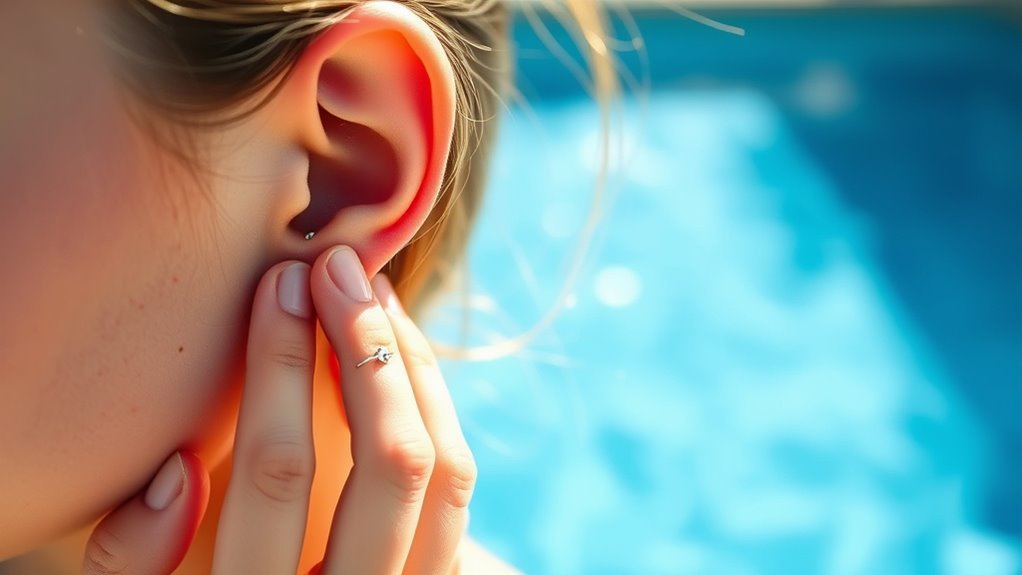
You should wait at least 6 to 8 weeks after getting your ear pierced before swimming. Giving your piercing enough time to heal helps form a protective barrier against bacteria found in pools, lakes, or oceans. This healing period is crucial to avoid infections and irritation.
Swimming too soon increases your risk of infection, irritation, and delayed healing. If your piercing still looks red, swollen, or painful, it’s best to hold off longer before swimming. Proper care during this time supports faster and safer healing.
If you want to learn how to protect your piercing and spot signs of infection, keep exploring these tips. Understanding aftercare can help you enjoy swimming safely once your piercing has healed fully.
Understanding the Healing Process of New Ear Piercings
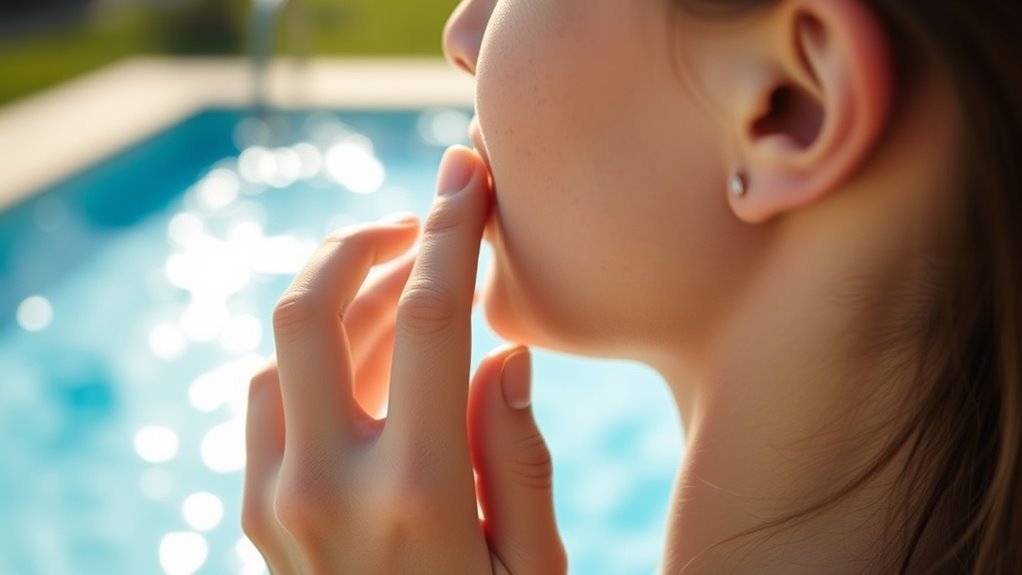
Although it might be tempting to jump into the pool right after getting your ears pierced, you need to understand that new piercings go through a critical healing process.
When you get your ears pierced, your body treats the pierced area like a wound. It sends cells to repair the skin and form new tissue around the jewelry.
This healing generally takes several weeks, during which the piercing is vulnerable to irritation and infection. You’ll notice some redness, swelling, or tenderness initially. This is normal.
But during this time, you must keep the area clean and avoid introducing bacteria or harsh chemicals. Proper aftercare, like gentle cleaning and avoiding unnecessary touching, helps your piercing heal smoothly and prevents complications that could prolong recovery.
Risks of Swimming Too Soon After Piercing
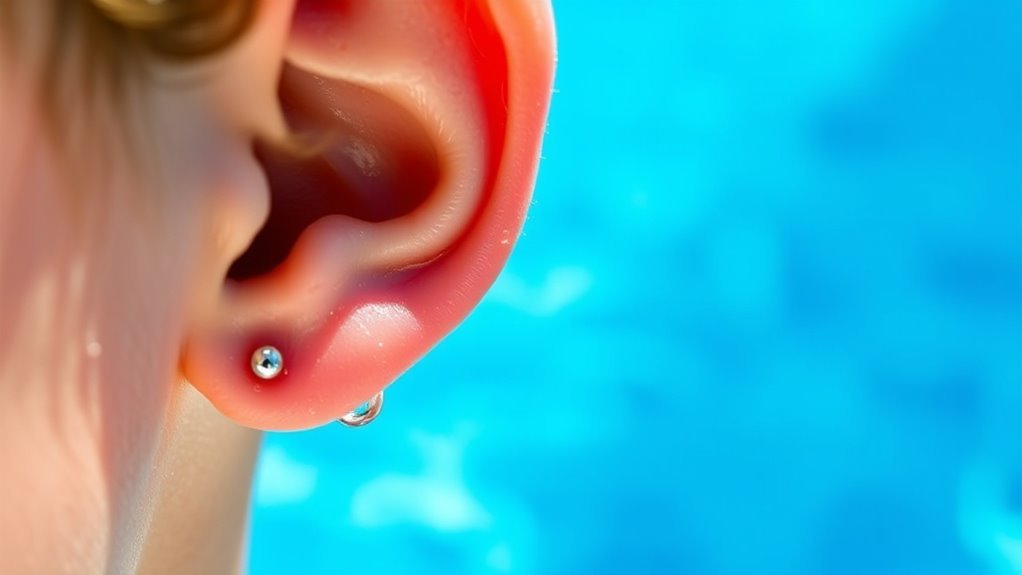
Since your new piercing is still healing and the skin is delicate, exposing it to pool or lake water can introduce harmful bacteria and irritants. Swimming too soon increases your risk of infection, which may cause redness, swelling, pain, or even pus formation.
Contaminated water often contains germs that can easily enter the tiny wound, delaying healing and possibly leading to complications like abscesses.
Additionally, chemicals in pools, such as chlorine, can irritate the piercing, causing discomfort and prolonging inflammation.
You might also experience itching or dryness, which can tempt you to touch or twist the jewelry, further aggravating the area.
To protect your piercing and guarantee smooth healing, it’s imperative to avoid swimming until your body has adequately recovered from the initial trauma of piercing.
Recommended Waiting Period Before Swimming
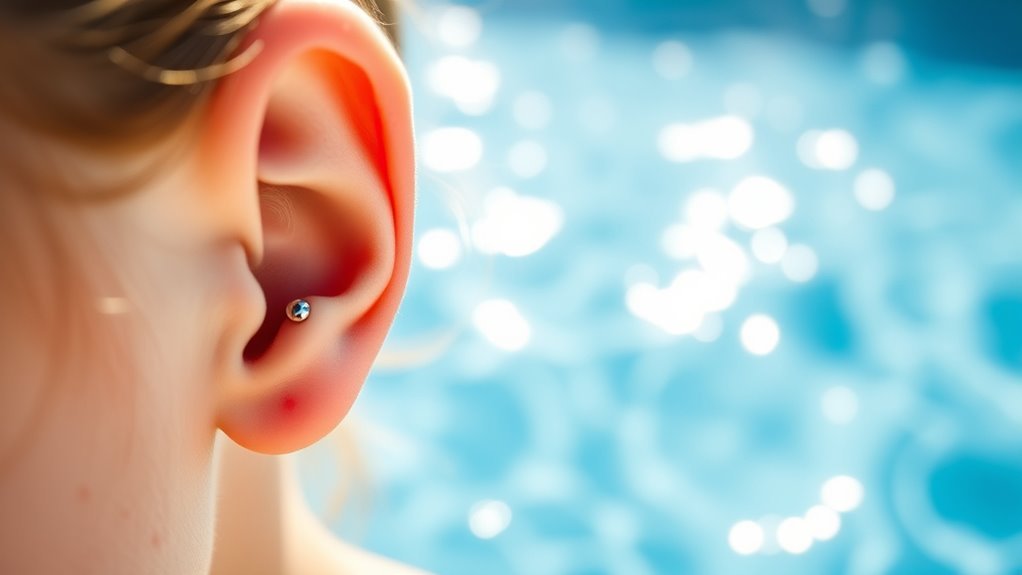
To protect your new ear piercing from infection and irritation, you should wait at least 6 to 8 weeks before swimming in pools, lakes, or oceans. This timeframe allows your piercing to heal sufficiently and form a protective barrier against bacteria and contaminants commonly found in water.
Healing times vary, so if your piercing still feels tender or shows signs of redness or discharge, give it more time. Avoid rushing back into swimming since premature exposure can lead to painful infections or prolonged healing.
After this waiting period, you can generally swim safely, but always monitor your piercing closely for any discomfort or changes. Remember, patience during healing helps ensure your piercing stays healthy and looks great long-term.
How to Protect Your Piercings While Swimming
When you do decide to swim with a new or healing ear piercing, taking proper precautions can help prevent infection and irritation. First, cover your piercing with a waterproof bandage or specialized ear protectors to keep water and bacteria out. Avoid submerging your ear fully if possible.
Before swimming, apply a thin layer of antibiotic ointment around the piercing to create a protective barrier. After swimming, rinse the area gently with clean water and pat dry with a clean towel.
Avoid touching or twisting the jewelry while wet, as this can introduce germs. Also, steer clear of pools or natural bodies of water that seem dirty or poorly maintained. These steps will help safeguard your piercing and promote faster healing during swim activities.
Signs of Infection to Watch For After Swimming
Although swimming can be invigorating, it increases the risk of infection in new or healing ear piercings. After you swim, watch closely for signs like redness, swelling, or increased warmth around the piercing site.
If you notice persistent pain or tenderness, it could indicate infection. Pay attention to any unusual discharge, especially if it’s yellow or green and has a foul smell. You might also experience itching or a burning sensation beyond normal healing discomfort.
Fever or swollen lymph nodes near your ear are more serious signs that require prompt medical attention. If any of these symptoms appear, don’t overlook them. Early detection helps you prevent complications and ensures your piercing heals properly.
Tips for Maintaining Piercing Hygiene During Healing
Keeping your new ear piercing clean and dry plays a crucial role in preventing infection and promoting faster healing. You need to be extra careful during this time to avoid complications.
Here are three essential tips to maintain piercing hygiene:
- Clean Twice Daily: Use a saline solution or a piercing aftercare spray to gently clean the area. Avoid harsh chemicals like alcohol or hydrogen peroxide, as they can irritate your skin.
- Avoid Touching: Don’t touch or twist your piercing with unwashed hands. This prevents the transfer of bacteria and reduces the risk of infection.
- Keep It Dry: Pat the piercing dry with a clean paper towel after cleaning or showering.
Avoid swimming or submerging your ear in water until fully healed.
Following these steps helps guarantee a smooth healing process and minimizes infection risks.
Frequently Asked Questions
Can Swimming in Saltwater Help Heal Ear Piercings Faster?
Swimming in saltwater can sometimes help clean your ear piercings due to its natural antiseptic properties, but it might also cause irritation or infection.
It’s best to avoid swimming until your piercings fully heal.
Are Certain Types of Earrings Better for Swimming After Piercing?
Of course, you want to wear delicate costume jewelry underwater—what could go wrong? Actually, stick to surgical steel or titanium earrings; they resist corrosion and reduce infection risk, keeping your fresh piercings safe while you swim.
Does the Location of the Ear Piercing Affect Swimming Wait Times?
Yes, the location matters. Cartilage piercings take longer to heal, so you should wait more before swimming. Earlobe piercings heal faster, letting you swim sooner.
Always keep your piercings clean to avoid infections.
Can Children Swim Sooner Than Adults After Ear Piercing?
No, children typically shouldn’t swim sooner than adults after ear piercing. You both need to wait until the piercing heals to avoid infection, usually about 6-8 weeks, regardless of age.
Always follow your piercer’s advice.
Should I Remove My Earrings Before Swimming or Keep Them In?
You should keep your earrings in when swimming, especially if they’re studs, to avoid losing them. Just make sure your piercings are fully healed to prevent infection.
Removing them risks the holes closing or damage.
Conclusion
To safely swim after ear piercing, you should seriously stay strong and skip swimming for at least 6 to 8 weeks. This waiting window helps ward off wounds and worries like infections.
When you do plunge in, don’t forget to protect your piercing with waterproof covers and clean carefully afterward. Staying sharp and showing steady self-care supports swift, smooth healing.
By following these steps, you ensure your fresh piercing stays fabulous and free from fuss. Proper care and protection are key to safe swimming after ear piercing.