How Long After Getting a Tattoo Can You Go Swimming?
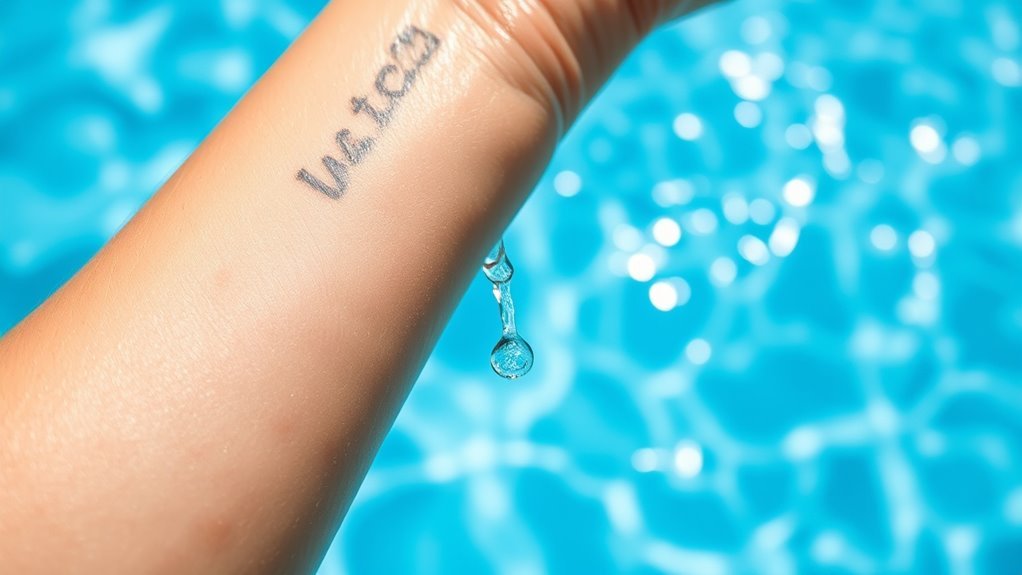
You should wait at least two to four weeks before swimming after getting a tattoo. Proper tattoo aftercare is crucial during this time to ensure your skin heals well and to prevent infection. Although your skin may look healed on the surface, it’s still repairing underneath.
At this stage, it can easily get infected by bacteria found in pools, lakes, or oceans. Swimming too soon also risks irritation, fading, and damage from chemicals like chlorine or salt.
Once your tattoo shows no scabs, redness, or sensitivity, it’s safer to swim. Keep scrolling to discover how to protect and care for your tattoo in water environments.
Understanding the Healing Process of a New Tattoo
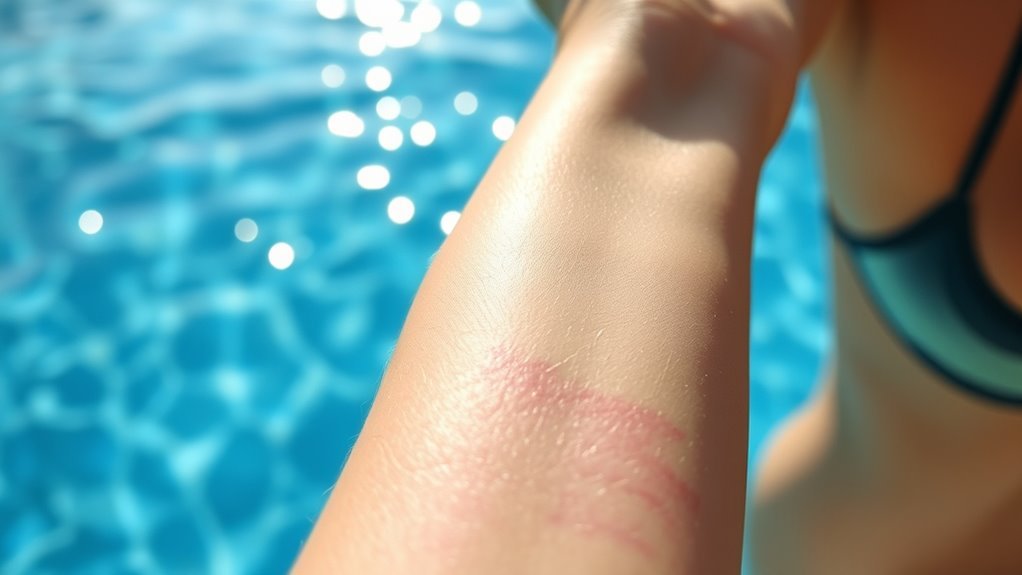
Although your new tattoo might look healed on the surface, the skin underneath is still repairing itself. When you get a tattoo, tiny wounds form in the skin as ink is deposited. Your body immediately starts the healing process, which involves inflammation, scabbing, and eventually skin regeneration.
This process typically takes about two to four weeks, but the deeper layers could take even longer to fully heal. During this time, your skin is fragile and vulnerable to irritation and infection. You might notice peeling, itching, or slight redness, all signs of healing.
It’s vital to keep the tattoo clean and moisturized, avoiding anything that could disrupt this delicate process. Understanding this healing timeline helps you make safer choices and protects your tattoo’s appearance.
Risks of Swimming With a Fresh Tattoo
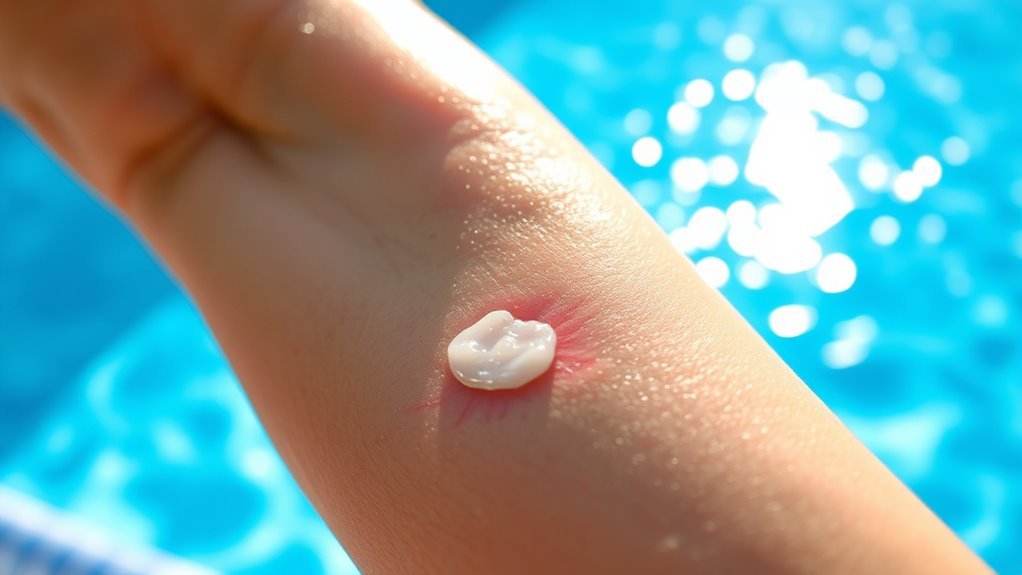
When you swim with a fresh tattoo, you expose your healing skin to bacteria and chemicals that can cause serious infections or irritation. Pools, lakes, and oceans harbor countless microorganisms that can easily enter your open wound.
Swimming with a fresh tattoo exposes it to bacteria and chemicals, risking infection and irritation.
This increases the risk of redness, swelling, pain, and pus, which can delay healing and scar your tattoo.
Chlorine and saltwater can also dry out and damage the delicate skin, causing itching and peeling. Additionally, prolonged soaking softens the skin, making it more prone to tearing and color fading.
By swimming too soon, you compromise your tattoo’s appearance and health.
To protect your new ink and avoid complications, it’s essential to keep your tattoo clean and dry during the initial healing phase.
Recommended Waiting Period Before Swimming
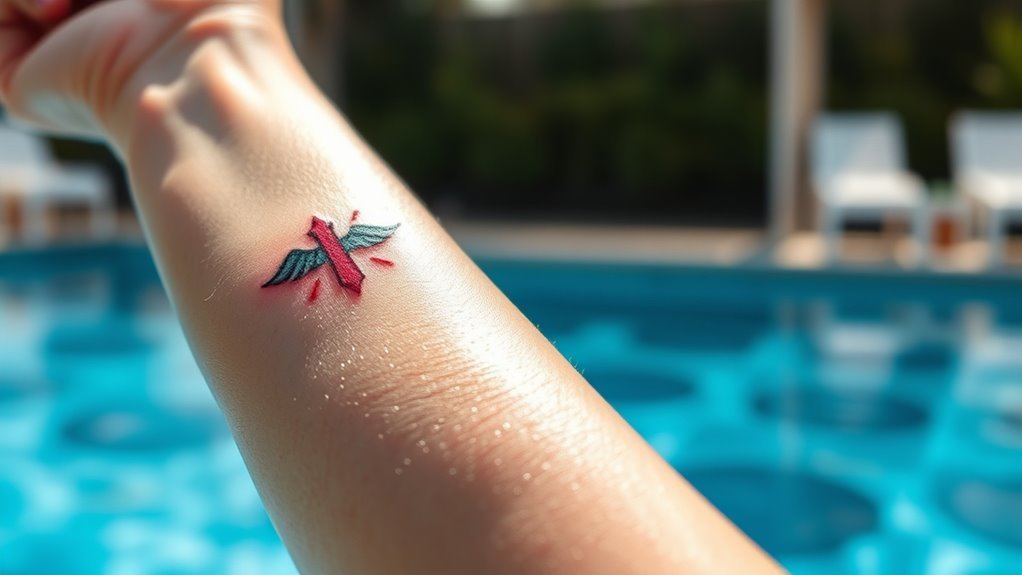
How long should you wait before swimming with a new tattoo? It’s best to hold off for at least 2 to 4 weeks. This gives your skin time to heal and reduces the risk of infection or fading.
Here’s a quick guide:
- Wait at least 2 weeks: Your tattoo’s outer layer should be mostly healed.
- Check for peeling or scabbing: Avoid swimming until these signs disappear completely.
- Consult your tattoo artist: They can give personalized advice based on your tattoo’s size and location.
How to Protect Your Tattoo When Swimming
Even after your tattoo has healed, you need to take extra care to protect it while swimming. Always apply a waterproof sunscreen with at least SPF 30 to shield your tattoo from harmful UV rays and prevent fading.
Consider covering your tattoo with a waterproof bandage or specialized tattoo film, especially if swimming in a pool or ocean where bacteria and chemicals can irritate the skin.
After swimming, rinse your tattoo gently with fresh water to remove chlorine, salt, or sand, then pat it dry with a clean towel.
Moisturize the tattoo with a fragrance-free lotion to keep the skin hydrated and promote longevity.
Signs Your Tattoo Is Ready for Swimming
Although it’s tempting to jump into the water right after getting a tattoo, you should wait until your skin has fully healed to avoid infection and damage. How do you know when it’s ready? Watch for these signs:
Hold off on swimming after a new tattoo until your skin fully heals to prevent infection and damage.
- No Scabs or Peeling: Your tattoo should be smooth without any flaking skin or scabs left behind. This means the outer layer has healed.
- No Redness or Swelling: The area should look normal, without irritation or puffiness, indicating that inflammation has subsided.
- No Tenderness or Sensitivity: You shouldn’t feel pain or discomfort when touching your tattoo. It should feel like your regular skin.
Once these signs appear, your tattoo is likely safe for swimming, but always follow your artist’s advice too.
Tips for Tattoo Aftercare in Water Environments
Once your tattoo shows no signs of healing issues, taking care of it in water environments becomes your next priority. Always rinse your tattoo with clean, fresh water after swimming to remove chlorine, salt, or bacteria.
Pat it dry gently with a clean towel, never rub. Apply a thin layer of fragrance-free moisturizer to keep the skin hydrated and prevent itching. Avoid soaking your tattoo for long periods, as prolonged exposure can cause fading or irritation.
When possible, cover your tattoo with waterproof bandages to provide extra protection. Remember, swimming in lakes or oceans carries higher infection risks due to bacteria, so stay cautious.
Frequently Asked Questions
Can Tattoos Cause Allergic Reactions in Swimming Pools?
Yes, tattoos can cause allergic reactions in swimming pools because chlorine and other chemicals may irritate fresh or sensitive ink.
You should avoid swimming until your tattoo fully heals to prevent redness, itching, or swelling.
Does Saltwater Affect Tattoo Colors Differently Than Freshwater?
Yes, saltwater can fade tattoo colors faster than freshwater because its high mineral content and salt can break down ink pigments more aggressively.
You’ll want to protect your tattoo to keep colors vibrant longer.
How Does Chlorine Specifically Damage Tattoo Ink?
You might think chlorine just cleans, but it actually breaks down tattoo ink molecules, causing fading and color distortion.
Are There Tattoo-Friendly Sunscreens for Swimming?
Yes, you’ll find tattoo-friendly sunscreens made with mineral blockers like zinc oxide or titanium dioxide. They’re gentle, provide broad-spectrum protection, and won’t irritate your ink while swimming.
These sunscreens help preserve your tattoo’s vibrant colors, ensuring your artwork stays bright and clear even after exposure to the sun and water. Using them regularly is key to maintaining the quality of your tattoo.
Can Swimming Speed up Tattoo Fading Over Time?
Yes, swimming can speed up tattoo fading over time because chlorine and saltwater can break down ink particles.
You should protect your tattoo with waterproof sunscreen and avoid prolonged swimming sessions to maintain its vibrancy.
Conclusion
Think of your new tattoo as a fragile seedling after a fresh rain. Just like you wouldn’t rush it into a storm, don’t plunge your tattoo into water too soon. Give it time to strengthen its roots—about two to four weeks—before swimming.
Protect it like you would a delicate flower, and watch for signs it’s ready to bloom. With patience and care, your tattoo will flourish beautifully, vibrant and unharmed by the waves. Remember, waiting the proper time before swimming is key to ensuring your tattoo heals properly and stays looking great.