
How to Fish a Swim Jig Step by Step
To fish a swim jig effectively, start by selecting the right swim jig color and weight based on water clarity and depth. Pair your swim jig with a medium-heavy rod and braided line with a fluorocarbon leader for optimal performance.
Cast near underwater structures like rock piles or weed beds, letting the swim jig sink naturally. Retrieve steadily with occasional twitches or pauses to mimic baitfish movement.
Adjust your speed and presentation according to water conditions, and set the hook firmly when you feel a strike. Keep practicing to discover more savvy tips for swim jig fishing success.
Choosing the Right Swim Jig and Gear

Before you cast your line, you need to pick the right swim jig and gear to match the conditions. Start with selecting a jig that suits the water clarity and cover. Choose darker colors like black or blue in murky water and natural shades like green pumpkin or white in clear water.
Select swim jig colors based on water clarity—darker for murky, natural shades for clear conditions.
Match the jig’s weight to the depth and current. Lighter jigs work well in shallow, calm water, while heavier ones help you reach deeper spots or fight stronger currents.
Pair your jig with a sturdy rod rated for medium to medium-heavy action, giving you control and sensitivity.
Use a braided line with a fluorocarbon leader for strength and invisibility underwater. This setup ensures you’re ready to fish effectively with a swim jig.
Identifying Ideal Fishing Spots for Swim Jigs

When you’re targeting bass with a swim jig, focus on areas where fish are likely to hide and hunt. Look for underwater structures like rock piles, fallen trees, and weed beds. These spots provide cover and attract baitfish.
Pay attention to points, creek channels, and drop-offs where water depth changes abruptly. Bass often patrol these edges searching for food. Also, shallow flats near deeper water can be productive, especially during low light.
Clear or slightly stained water helps your swim jig’s action stand out, so consider water clarity when choosing your spot. Use your boat’s depth finder or maps to locate these features, then target them.
Techniques for Casting and Retrieving a Swim Jig
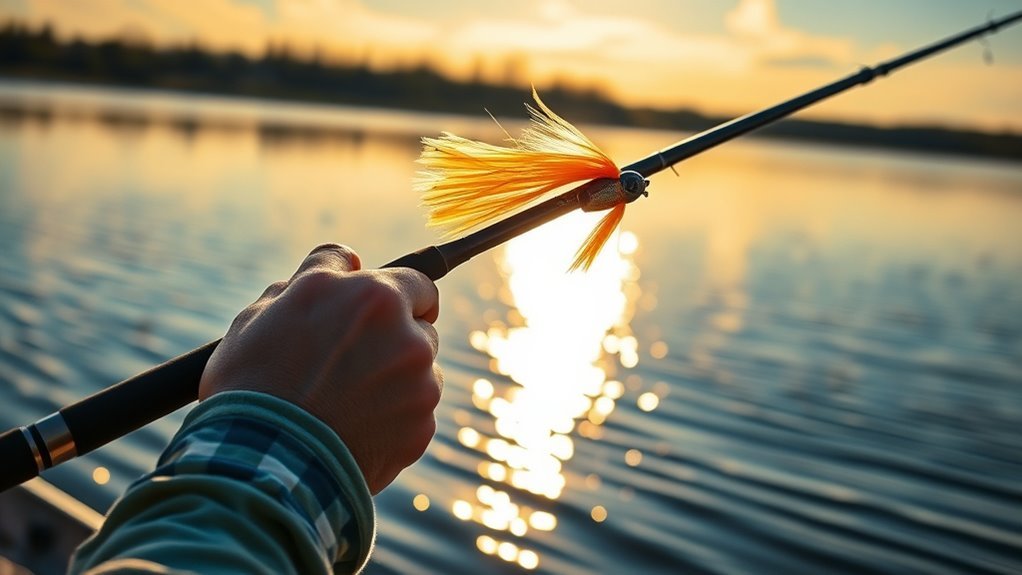
Once you’ve pinpointed promising spots, mastering how to cast and retrieve your swim jig makes all the difference. Start by making a smooth, accurate cast just beyond your target area. Let the swim jig sink naturally to the desired depth, watching your line for subtle movements.
Retrieve steadily with a moderate speed, mimicking a swimming baitfish. Vary your retrieve by incorporating slow, steady pulls or brief pauses to trigger strikes. Use your rod tip to impart slight twitches, giving your jig a lively, enticing action.
Keep your line tight but avoid excessive tension to maintain sensitivity. Experiment with different retrieval speeds and rhythms until you find what works best for the fish in your area. Consistency and attention to detail will improve your success dramatically.
Adjusting Presentation Based on Water Conditions
Although swim jigs work well in many situations, you’ll get the best results by adjusting your presentation to match the water conditions.
Adjusting your swim jig presentation to the water conditions ensures the best fishing results.
In clear water, use a subtle, natural-colored jig and retrieve it slowly to avoid spooking fish.
When the water is murky or stained, opt for brighter or darker colors that stand out, and increase your retrieval speed to create more vibration and attract attention.
In colder water, slow down your retrieve since bass are less active, while in warmer water, you can speed up to match their increased activity.
Also, consider the depth. Fish deeper by letting the jig sink longer, or keep it near the surface when bass feed shallow.
Tailor your approach to the environment, and you’ll boost your chances of hooking bass consistently.
Tips for Hooking and Landing Bass With a Swim Jig
Adjusting your presentation to water conditions sets you up for a successful hookup, but landing bass on a swim jig requires a few additional techniques.
When you feel the strike, resist the urge to immediately set the hook. Instead, reel in any slack line and then sweep your rod firmly to one side to drive the hook into the bass’s mouth.
Keep your rod tip up and maintain steady pressure to prevent the fish from throwing the hook. As you bring the bass in, use your rod to absorb sudden runs or jumps.
Avoid yanking or excessive force, which can cause break-offs.
Finally, use a net to safely land the fish, minimizing stress on both you and your catch.
Frequently Asked Questions
What Time of Year Are Swim Jigs Most Effective?
You’ll find swim jigs most effective during spring and fall when bass actively feed near cover. Warmer water triggers their movement, making these seasons perfect for casting swim jigs to catch more fish.
Can Swim Jigs Be Used for Saltwater Fishing?
Yes, you can use swim jigs for saltwater fishing. They work well around structures like reefs and mangroves, attracting species like redfish and snook.
Just choose saltwater-resistant gear to avoid corrosion.
How Do Swim Jigs Compare to Spinnerbaits?
Swim jigs dance subtly, while spinnerbaits flash and shout. You’ll find swim jigs excel in finesse, offering a natural swim.
Spinnerbaits grab attention with vibration and flash, making them great for covering water quickly.
What Size Swim Jig Is Best for Beginners?
You’ll want to start with a 3/8-ounce swim jig since it’s versatile and easy to handle. This size works well in various conditions, helping you learn casting and retrieving without feeling overwhelmed.
Are There Specific Brands Recommended for Swim Jigs?
Picture a painter’s palette. Brands like Strike King, Booyah, and Z-Man offer vibrant swim jigs that bring your fishing canvas to life. You’ll find their quality hooks and lifelike skirts make every cast count.
Conclusion
Now that you’ve got the basics down, remember: fishing with a swim jig is like dancing with water—you’ve got to feel the rhythm, adjust your moves, and stay in tune with the environment.
Choose the right gear, pick your spot wisely, and vary your retrieve to match the conditions. With patience and practice, you’ll hook bass like a pro.
So, are you ready to make waves and reel in your next big catch using swim jig fishing techniques? Keep these tips in mind, and you’ll master how to fish a swim jig step by step.