
Should a Child Go Swimming With a Cold?
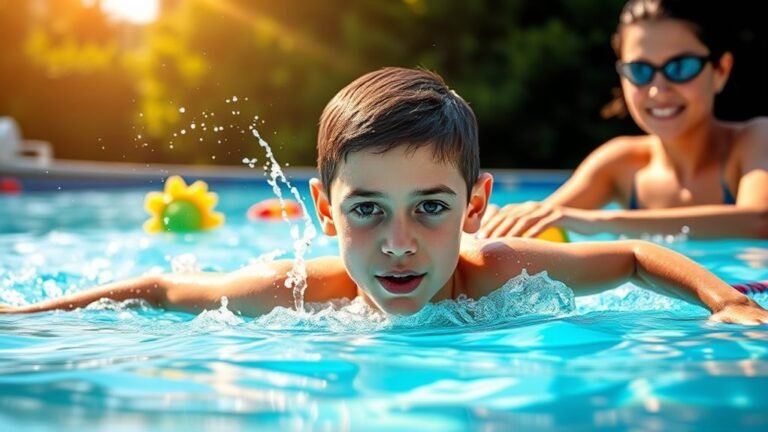
If your child has a mild cold with just a runny nose and feels up for it, gentle swimming might help by boosting circulation and lifting their mood. Swimming with a cold can sometimes be beneficial, but it depends on the severity of the symptoms.
If they have a fever, persistent cough, or seem tired, it’s best to bypass swimming to avoid worsening symptoms or spreading germs. Always keep sessions short and ensure they stay warm and hydrated.
Want to know how to decide when it’s safe or better to rest?
Understanding the Symptoms of a Cold in Children

Although a cold is common and usually mild, recognizing its symptoms in your child is essential before deciding on activities like swimming.
You’ll notice early signs such as a runny or stuffy nose, sneezing, and a mild cough.
Your child might also feel tired or irritable, and sometimes a low-grade fever appears.
Pay attention if they complain about a sore throat or headaches.
These symptoms can affect their energy levels and comfort, which might make swimming less enjoyable or even risky.
If your child shows severe symptoms like high fever, persistent cough, or difficulty breathing, it’s best to avoid swimming.
How Swimming Affects a Child’s Immune System

When your child swims, their body responds in ways that can influence their immune system. Swimming can boost circulation, helping immune cells move more efficiently throughout the body. The cool water temperature may stimulate the production of certain immune factors, potentially enhancing defense mechanisms.
However, overexertion or prolonged exposure to cold water might temporarily weaken immunity. Keep these points in mind:
- Moderate swimming promotes cardiovascular health, supporting immune function.
- Exposure to water and chlorine can affect skin and mucous membrane barriers.
- Physical activity increases endorphins, which can reduce stress and positively impact immunity.
- Sudden changes in body temperature during swimming can trigger immune responses.
Risks of Swimming While Sick

Since swimming requires physical exertion and exposure to water, your child’s body faces added stress while fighting an illness.
This can worsen symptoms like fatigue and congestion, prolonging recovery.
Plus, cold symptoms might impair coordination, increasing the risk of accidents in the pool.
You should also consider that chlorinated water can irritate sensitive respiratory passages, making coughing or sneezing worse.
| Risk | Description | Impact on Child |
|---|---|---|
| Increased Fatigue | Physical exertion drains energy | Slower recovery |
| Irritated Airways | Chlorine aggravates symptoms | More coughing, discomfort |
| Higher Accident Risk | Impaired coordination | Potential injuries |
| Contagion Risk | Spreading germs in shared water | Others may get sick |
| Weakened Immune Defense | Body diverts energy to swim | Illness may worsen |
Avoid swimming during a cold to keep your child safe and healthy.
When Swimming Might Be Beneficial
If your child’s cold symptoms are mild and they feel up to it, gentle swimming can sometimes offer benefits like easing nasal congestion and boosting mood. The warm water and rhythmic breathing may help clear sinuses and relax muscles.
Plus, the activity can distract them from discomfort and lift their spirits.
Consider these potential benefits when deciding about swimming:
- Improved breathing through moist air and water temperature
- Enhanced circulation, which can speed recovery
- Mood elevation from physical activity and play
- Gentle exercise that doesn’t overly strain the body
Just make sure your child listens to their body and doesn’t push too hard. Swimming can be a positive way to feel better when symptoms are manageable.
Precautions to Take if Your Child Swims With a Cold
While swimming can offer some relief for mild cold symptoms, you’ll want to take specific precautions to keep your child safe and prevent their condition from worsening. First, make certain your child stays well-hydrated before and after swimming to help thin mucus and soothe the throat.
Swimming may ease mild cold symptoms but requires hydration and caution to keep your child safe and comfortable.
Limit their time in the water to avoid fatigue, which can weaken their immune response. Make sure they warm up quickly afterward by drying off thoroughly and putting on dry clothes to prevent chills.
Avoid crowded pools to reduce the risk of spreading germs to others. Monitor your child closely for any signs of discomfort, such as increased coughing or fatigue, and be ready to end the swim session if symptoms worsen.
Prioritize your child’s comfort and health above all.
Alternatives to Swimming for Sick Children
Although swimming can be invigorating, you might want to explore other activities when your child is sick to guarantee they rest and recover properly. Staying active doesn’t always mean swimming, especially if your child has a cold.
Here are some gentle alternatives you can try:
- Reading together or storytelling to keep their mind engaged without physical strain.
- Light indoor exercises like stretching or yoga to maintain movement without overexertion.
- Quiet crafts or puzzles that stimulate creativity and focus while your child rests.
- Watching educational shows or listening to audiobooks as a calm way to pass time.
These options help your child stay entertained and comfortable while allowing their body the time it needs to heal. Avoid pushing physical activity that might worsen their symptoms.
When to Consult a Healthcare Professional
Knowing when to consult a healthcare professional is crucial to guarantee your child’s cold doesn’t worsen or lead to complications.
If your child develops a high fever lasting more than three days, persistent coughing, difficulty breathing, or wheezing, seek medical advice promptly.
Also, if they show signs of dehydration, such as dry mouth, lack of tears, or decreased urination, it’s time to consult a doctor.
Pay attention to unusual symptoms like severe headache, ear pain, or a rash.
If your child’s cold symptoms don’t improve after 10 days or suddenly worsen, don’t hesitate to reach out.
Trust your instincts; when in doubt, getting professional guidance ensures your child receives proper care and recovers safely without risking further health issues.
Frequently Asked Questions
Can Swimming Pools Spread Colds Among Children?
Yes, swimming pools can spread colds among children because viruses survive on surfaces and in water droplets.
You should encourage good hygiene and avoid swimming when kids are sick to reduce the risk of spreading germs.
How Long Should a Child Wait After a Cold to Swim Again?
Think of your child’s body as a garden recovering after a storm; you should wait at least 3 to 5 days after cold symptoms disappear before swimming again.
This helps guarantee they’re strong and ready to dive back in safely.
Are Certain Swimming Strokes Better for Children With Colds?
Yes, gentler strokes like backstroke or breaststroke are better when your child has a cold. They require less intense breathing and exertion, helping your child stay comfortable while swimming without worsening symptoms.
These strokes allow for a more relaxed pace, which can prevent additional strain on your child’s respiratory system. It’s important to monitor how your child feels and stop if they show any signs of discomfort.
Does Pool Temperature Affect a Sick Child Differently?
Yes, pool temperature affects a sick child differently. Cold water can worsen symptoms and cause discomfort, while warm water might be soothing.
You should always monitor your child closely and avoid extreme temperatures to prevent further illness.
Can Swimming Help Relieve Cold Symptoms in Children?
Think of swimming as a gentle breeze—it can sometimes ease your child’s stuffy nose and congestion.
But don’t expect a cure; swimming might soothe symptoms briefly, yet rest and hydration remain the true remedies for recovery.
Conclusion
When your child has a cold, jumping into the pool isn’t always the best idea—it can be like adding fuel to a smoldering fire. Swimming might sometimes boost mood, but it often stresses their immune system and risks spreading germs.
If you decide to let them swim, take precautions and watch closely. When in doubt, choose rest or gentle indoor activities instead.
And don’t hesitate to consult a healthcare professional to keep your little one safe and sound. Remember, deciding if your child should go swimming with a cold depends on their symptoms and overall health.