
How Should You Wash Your Hair After Swimming
After swimming, it’s essential to wash your hair properly to remove chlorine and salt. Rinse your hair immediately with lukewarm fresh water to gently wash away these residues. This helps prevent damage and keeps your hair healthy.
Use a clarifying shampoo that’s sulfate-free to remove buildup without drying your hair out. Follow with a moisturizing conditioner, focusing on the ends. Then rinse with cool water to seal the cuticles and add shine.
Avoid rubbing your hair vigorously with a towel, as this can cause breakage. If you want to keep your hair strong and healthy despite frequent swims, there are additional steps you can take to protect it.
Understanding the Effects of Swimming on Hair
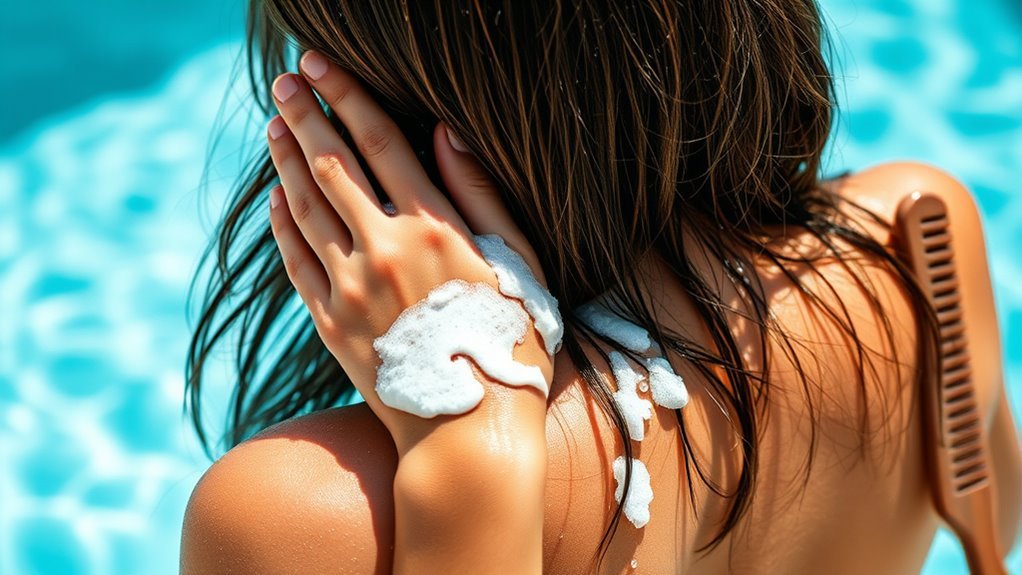
Although swimming is great exercise, it can take a toll on your hair. When you swim, chlorine and other chemicals in pool water strip away your hair’s natural oils. This leaves your strands dry, brittle, and prone to breakage.
Saltwater pools and the ocean can also pull moisture from your hair, causing frizz and damage. If you swim regularly without proper care, you might notice your hair becoming dull, tangled, or even discolored.
Understanding these effects helps you realize why simply rinsing your hair isn’t enough. Your hair needs more than just water after swimming; it requires nourishment and protection to maintain its health and shine.
Knowing the impact swimming has on your hair is the first step toward effective post-swim care.
Immediate Steps to Take After Swimming
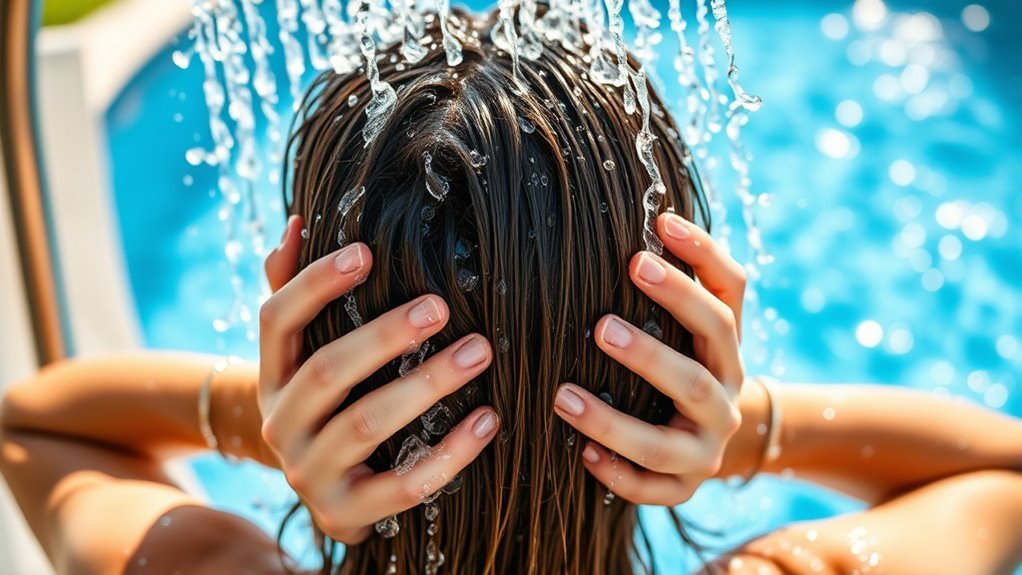
Because your hair loses moisture and oils when you swim, the first thing you should do is rinse it thoroughly with fresh water as soon as possible. This helps flush out chlorine, salt, and other chemicals that can damage your hair. Use lukewarm water to gently remove these residues without stripping your hair further.
After rinsing, avoid vigorous towel drying; instead, pat your hair dry to prevent breakage. Detangle your hair carefully using a wide-tooth comb, starting from the ends and working your way up to avoid pulling.
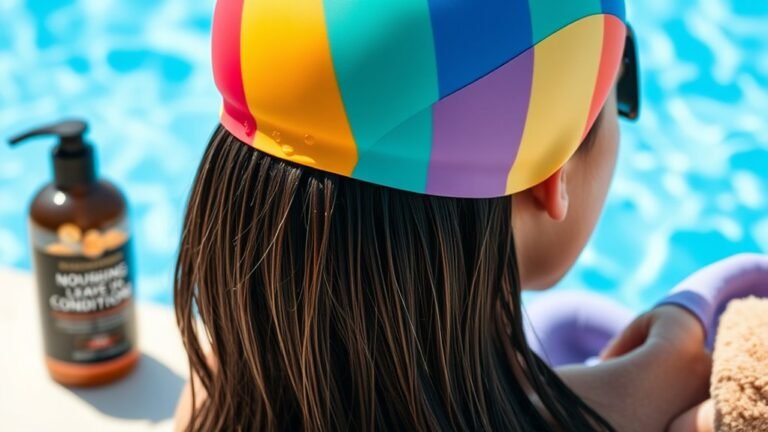
If you’ve worn a swim cap, remove it gently to prevent tangling.
Taking these steps immediately after swimming sets the foundation for keeping your hair healthy and minimizing damage before you move on to washing and conditioning.
Choosing the Right Shampoo and Conditioner
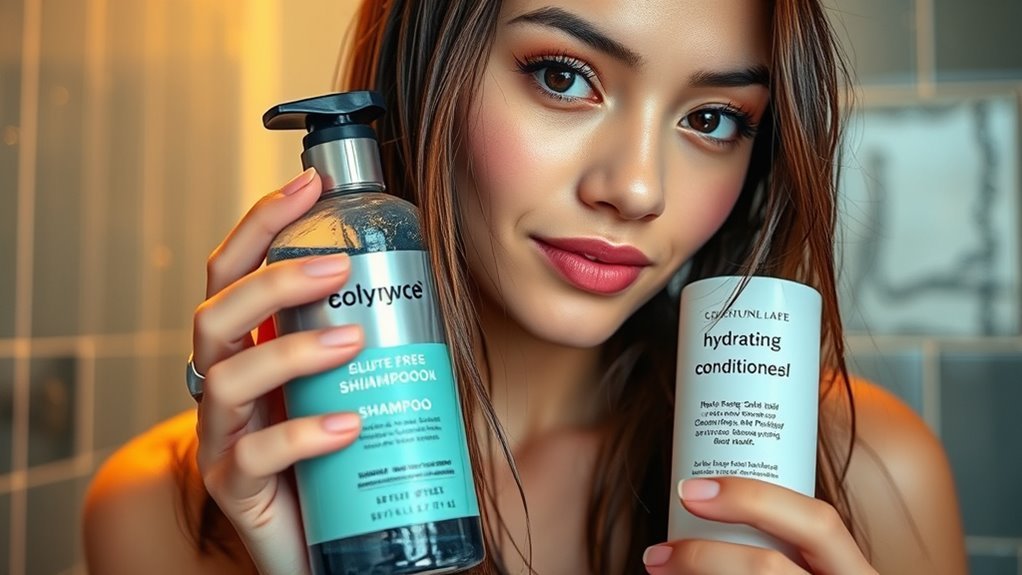
When you’re ready to wash your hair after swimming, picking the right shampoo and conditioner makes all the difference in restoring moisture and protecting your strands. Look for shampoos labeled as clarifying or specifically designed to remove chlorine and minerals. These formulas help strip away buildup without stripping your hair’s natural oils.
Avoid harsh shampoos with sulfates, which can dry out your hair further. After shampooing, apply a conditioner rich in hydrating ingredients like aloe vera, coconut oil, or shea butter to replenish moisture and soothe your scalp.
If your hair is color-treated, opt for products that protect color and prevent fading. Choosing the right shampoo and conditioner tailored to your hair type ensures you maintain healthy, soft hair even after frequent swims.
Effective Techniques for Washing Hair Post-Swim
Choosing the right shampoo and conditioner sets the foundation, but how you wash your hair after swimming plays a big role in maintaining its health. First, rinse your hair thoroughly with fresh, lukewarm water immediately after swimming to remove chlorine or salt.
Rinsing hair with fresh lukewarm water immediately after swimming removes chlorine and salt, protecting your hair’s health.
Then, apply a gentle, clarifying shampoo, focusing on your scalp to break down buildup without stripping natural oils. Work the shampoo through your hair with your fingertips, avoiding harsh scrubbing.
Rinse well and follow with a nourishing conditioner, concentrating on the ends to restore moisture. Leave the conditioner in for a few minutes before rinsing with cool water to seal the cuticles and add shine.
Finally, gently squeeze out excess water using a soft towel, never rub vigorously, to prevent breakage and maintain your hair’s integrity.
Additional Hair Care Tips to Prevent Damage
Although washing your hair properly after swimming is essential, incorporating additional care steps can further protect your strands from damage. Start by using a deep conditioning treatment once a week to restore moisture. Avoid heat styling immediately after swimming to prevent extra stress on your hair. Also, wearing a swim cap can minimize chlorine exposure in the first place.
Here’s a quick overview:
| Tip | Purpose | Frequency |
|---|---|---|
| Deep Conditioning | Restore moisture | Weekly |
| Avoid Heat Styling | Prevent damage | After swimming |
| Use Swim Cap | Reduce chlorine contact | Every swim |
Frequently Asked Questions
Can Swimming Improve Scalp Health?
Yes, swimming can improve your scalp health by increasing blood circulation and helping remove buildup.
Just make sure you rinse and cleanse your scalp properly afterward to avoid irritation from chlorine or saltwater, keeping it balanced and healthy.
Is It Safe to Swim With a Scalp Infection?
It’s not safe to swim with a scalp infection because pool chemicals and bacteria can worsen it. You should avoid swimming until your scalp heals, and consult a doctor for proper treatment and care.
How Often Should Swimmers Trim Their Hair?
How often should you trim your hair as a swimmer? You should trim it every 6 to 8 weeks to prevent split ends and damage from chlorine.
Regular trims keep your hair healthy and manageable despite frequent swimming.
Do Swimming Caps Protect Hair From Chlorine Completely?
Swimming caps don’t protect your hair from chlorine completely. They reduce exposure but water and chlorine can still seep in.
To protect your hair better, rinse it before swimming and wash it thoroughly afterward.
Can Diet Affect Hair Damage From Swimming?
Yes, your diet can affect hair damage from swimming. Eating nutrient-rich foods with vitamins A, C, E, and omega-3s strengthens hair, helping it resist chlorine damage and maintain moisture.
Conclusion
After swimming, your hair needs extra care to stay healthy and strong. Don’t just rinse—use the right shampoo and conditioner to remove chlorine and salt effectively. Washing your hair gently is important to avoid further damage.
Follow up with nourishing treatments to keep your hair moisturized and resilient. This helps prevent dryness and breakage caused by pool chemicals and saltwater exposure.
Want your hair to stay vibrant and soft all swim season? Taking these simple steps right after you swim will make all the difference in keeping your hair looking its best. Properly washing your hair after swimming is key to maintaining healthy, beautiful locks.