Swimming Tips

  • How to Swim Safely With Tubes in Your Ears

    To swim safely with tubes in your ears, always use specially designed, water-tight ear plugs made from soft silicone or custom molds, and wear a snug swim cap to secure them. Avoid diving or jumping to prevent tube damage, and tilt your head afterward to drain any trapped water.

    Gently dry your ears and follow any prescribed ear drops to prevent infection. If you want to keep your ears healthy and avoid complications, understanding proper care and precautions is essential.


  • How You Can Swim Safely With Newly Pierced Ears

    You should wait at least 4 to 6 weeks before swimming with new ear piercings to avoid infection. Before entering the water, clean your ears with saline, dry them gently, and make certain your earrings are secure.

    Use waterproof ear covers or snug-fitting ear plugs and consider wearing a swim cap for extra protection. After swimming, rinse and dry your ears carefully, then apply antiseptic if recommended.

    Keep an eye on any irritation, and you can find helpful tips to protect your piercings further.

  • Can You Swim With Eyelash Extensions?

    You can swim with eyelash extensions, but you’ll need to take extra care to keep them secure. Water, especially within the first couple of days, can weaken the adhesive, and chlorine or saltwater may cause lashes to shed faster.

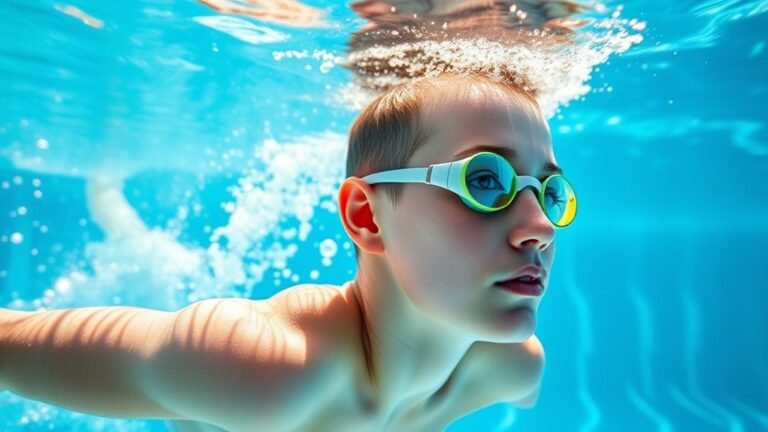
    Wearing swim goggles helps protect your extensions, and rinsing with fresh water afterward is key. Gently pat your lashes dry and avoid rubbing to maintain their look and longevity.

    If you want tips on protecting and caring for your lashes while swimming, there’s more to know.

  • How You Can Swim Safely With a Menstrual Cup

    You can swim safely with a menstrual cup by picking the right size and a firmer, medical-grade silicone cup that fits your cervix height and flow. Insert it properly using a comfortable fold, angle it toward your tailbone, and make certain it opens fully to seal well.

    Empty the cup before swimming to avoid leaks. Rinse and clean it promptly after water activities to keep it hygienic. Keep these tips in mind, and you’ll find even more practical advice to stay comfortable and protected.

  • Can You Swim Safely in the Ocean in Cabo?

    You can swim safely in Cabo’s ocean by choosing popular beaches like Medano or Chileno Bay, where lifeguards watch over swimmers. The water is usually calm, warm, and clear, but watch out for currents and occasional jellyfish.

    Stay within designated zones, avoid rocky areas, and check tide schedules. Taking these precautions helps make certain a safe and enjoyable swim. Keep exploring to discover more about ocean conditions, safety tips, and local guidelines.

  • How You Can Swim Safely in the Nile River

    To swim safely in the Nile River, first check the current and depth, as they can be strong and unpredictable. Choose calm, clear areas away from waterfalls or debris, and never swim alone. Always have a buddy with you.

    Wear a life jacket and water shoes for protection. Avoid swimming at night and stay alert for wildlife. Following these tips helps keep you safe, and there’s more to know for enjoying the river confidently.

  • Can You Swim With a Pad?

    You shouldn’t swim with a pad because it soaks up water, becoming heavy, soggy, and uncomfortable. This makes it lose absorbency and can cause it to shift or bunch, increasing the chance of leaks and irritation.

    Wet pads also create a warm, damp environment that can lead to infections or skin rashes. Instead, consider other protective options designed for water.

    Keep exploring to discover better choices for staying comfortable and confident while swimming on your period.

  • How Many Swimming Pool Laps Make a Mile?

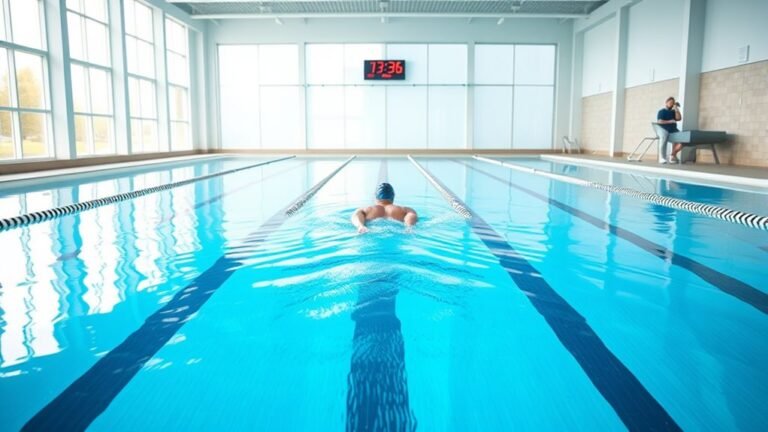
    You’ll need about 70 laps in a 25-yard pool, 64 laps in a 25-meter pool, or 33 laps in a 50-meter pool to swim a mile. Each lap counts as one length of the pool, so knowing your pool’s exact size is key for accurate tracking.

    Using a swim watch or lap counter can help you stay on track. Keep going, and you’ll find useful tips to improve your swimming routine.

  • Can You Swim With a Pad?

    You shouldn’t swim with a pad because it quickly becomes heavy, soggy, and loses absorbency in water. The pad’s adhesive weakens, so it can shift or fall off, making leaks more likely. Wearing a wet pad also feels uncomfortable and may cause irritation.

    Instead, consider options like tampons, menstrual cups, or period-proof swimwear designed to handle water. If you want to feel secure and comfortable while swimming on your period, there are smarter solutions to explore.