
What Age Do You Start Swimming Lessons?
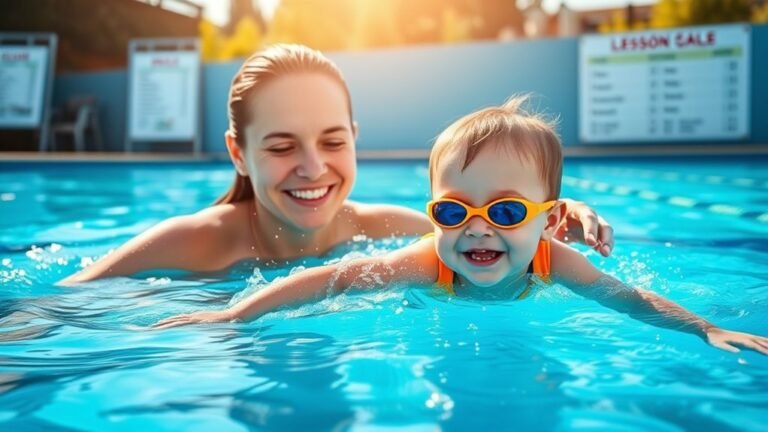
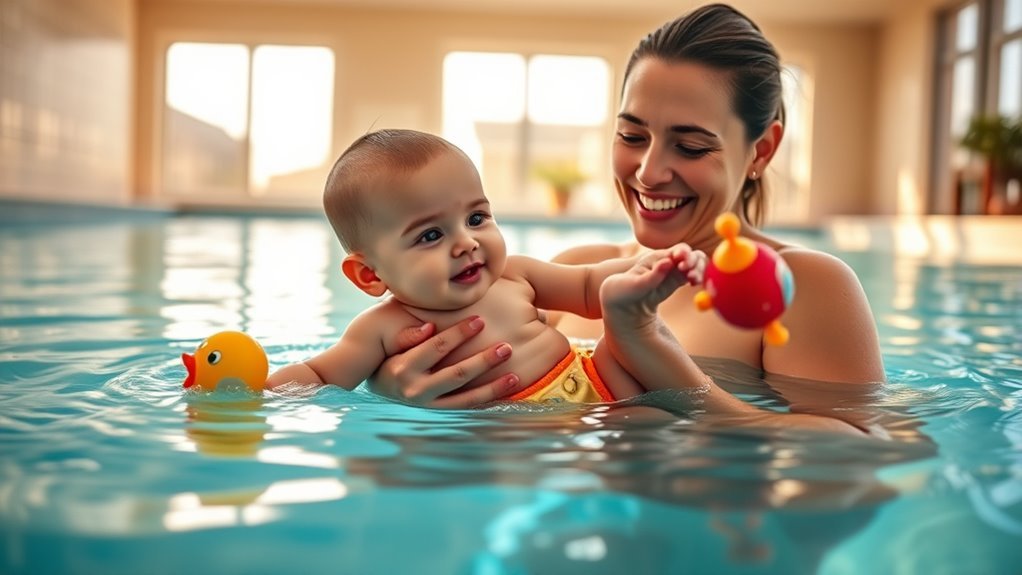
You can start swimming lessons as early as six months old with parent-child classes that build water comfort and safety skills. These early lessons are designed to introduce your baby to the water in a fun and secure environment. From one to three years, kids develop basic skills like kicking and floating in a playful setting, progressing to more independent abilities by age five.
Watching for signs like enjoyment of water and basic motor skills helps you know when your child’s ready. It’s important to choose the right swimming program that matches your child’s developmental stage. If you want to understand how to select the best lessons and support your little swimmer, keep exploring.
Benefits of Early Swimming Lessons
Although it might seem early, starting swimming lessons at a young age offers significant benefits. You’ll notice your child builds water confidence quickly, reducing fear and promoting safety.
Early lessons help develop essential motor skills, coordination, and muscle strength, which support overall physical growth. You’ll also find that young swimmers adapt more easily to water’s unique environment, making learning smoother and less stressful.
Plus, early exposure encourages positive habits, like regular exercise and body awareness, that last a lifetime. When you introduce swimming early, you’re giving your child a head start in water safety and physical development.
This foundation not only prepares them for more advanced skills but also fosters a lifelong love for swimming and healthy activity.
Recommended Ages for Starting Swimming
When you decide to start swimming lessons, knowing the right age can make a big difference in your child’s progress and safety. Generally, experts recommend these age guidelines:
- 6 months to 1 year: Water familiarization through parent-child classes helps build comfort and trust in water.
- 1 to 3 years: Basic water skills and safety awareness begin, emphasizing fun and gentle introduction.
- 3 to 5 years: Focus shifts to developing independent swimming skills like floating, kicking, and breathing techniques.
- 5 years and up: Children refine strokes, build endurance, and learn water safety rules more seriously.
Starting at the right age balances your child’s physical readiness and emotional comfort, setting a foundation for lifelong swimming confidence.
Infant Swimming Classes: What to Expect
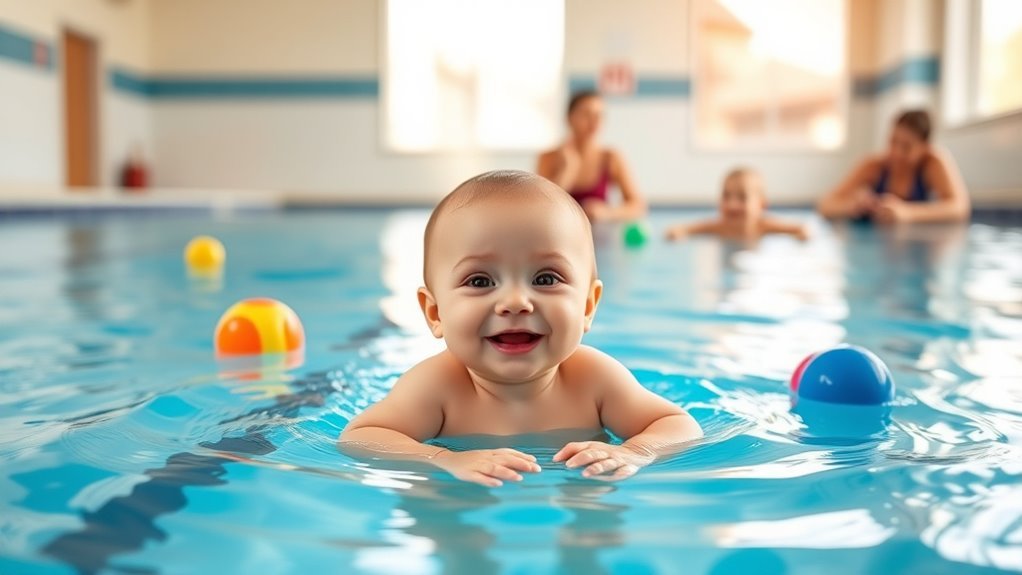
Starting swimming lessons as early as six months introduces your infant to water in a safe and supportive environment. You’ll notice classes focus on water comfort rather than formal swimming techniques.
Expect gentle activities like floating, kicking, and blowing bubbles to build your baby’s confidence. Instructors usually guide you on holding and supporting your infant, ensuring safety throughout.
Sessions emphasize bonding through playful interaction, which helps your little one feel secure. The water temperature is kept warm to prevent chills, and the class size remains small for personalized attention.
Toddler Swimming Lessons and Skill Development
As your toddler grows more curious and confident in the water, swimming lessons shift focus to developing fundamental skills like floating, kicking, and basic arm movements. You’ll notice they start building independence in the water while still under close supervision.
Here are key skills your toddler will work on during lessons:
- Floating on back and front – gaining comfort and balance
- Kicking with legs extended – developing propulsion
- Basic arm strokes – learning to coordinate movements
- Breath control and blowing bubbles – easing water anxiety
These skills lay the foundation for safe swimming and help your child feel more at ease, making progression to more advanced techniques smoother and more enjoyable.
Signs Your Child Is Ready for Swimming Lessons
Although every child develops at their own pace, you can look for clear signs that show your little one is ready for swimming lessons. Watch for their comfort in water. If they enjoy bath time or splashing in shallow pools, that’s a good start.
Look for signs like comfort in water and enjoyment of splashing to know when your child is ready for swimming lessons.
Check if they can follow simple instructions and have enough attention span to stay engaged during a short lesson.
Physical readiness matters too; your child should have basic motor skills like sitting up independently and some coordination.
If they express curiosity about swimming or show excitement around water, that enthusiasm will help them learn faster.
Finally, assess their emotional readiness. If they’re not overly fearful and seem eager to try, it’s likely the right time to enroll them in swimming lessons.
How to Choose the Right Swimming Program
Once you’ve determined your child is ready for swimming lessons, the next step is picking a program that fits their needs. To make the best choice, consider these factors:
1. Instructor Qualifications
Look for certified teachers experienced with your child’s age group.
2. Class Size
Smaller classes mean more individual attention and faster progress.
3. Facility Cleanliness and Safety
Ensure the pool area is well-maintained and child-friendly.
4. Program Structure
Check if lessons focus on water comfort first, then skills, with a clear progression plan.
Safety Considerations for Young Swimmers
Before you start your child’s swimming lessons, prioritize safety to create a secure learning environment. Make sure the facility follows strict safety regulations, including certified lifeguards and clear emergency procedures. Verify that instructors are trained in both swimming techniques and child CPR.
*Guarantee* that the water temperature is comfortable to prevent your child from getting too cold. Use properly fitting swim gear like goggles and flotation devices recommended by the program.
Teach your child basic water safety rules, such as not running near the pool and never swimming alone. Keep a close eye on your child during lessons without distracting the instructor.
The Role of Parents in Swimming Lessons
Ensuring your child’s safety during swimming lessons sets the foundation for a positive experience, but your involvement goes beyond watching from the sidelines. You play an active role in encouraging and supporting your child throughout their learning journey.
Your active encouragement and support are key to your child’s successful and safe swimming journey.
Here’s how you can help:
- Stay engaged: Ask the instructor about your child’s progress and practice tips.
- Provide encouragement: Celebrate small achievements to boost confidence.
- Model water safety: Show respect for pool rules and demonstrate safe behavior.
- Prepare your child: Talk about what to expect during lessons to ease any anxiety.
Overcoming Fear of Water in Children
Although some children take to water naturally, many develop a fear that can hinder their swimming progress. When your child is scared, you need to be patient and gentle.
Start by introducing water play in a fun, low-pressure way, like splashing together or blowing bubbles in the shallow end.
Celebrate small victories to build their confidence. Always stay close, providing reassurance so they feel safe.
Avoid forcing your child into the water; this can increase anxiety. Instead, encourage gradual exposure and praise their bravery, even if it’s just putting their face in the water.
You can also use toys or games to make water time enjoyable.
Long-Term Advantages of Learning to Swim Early
Helping your child overcome their fear of water sets a strong foundation for future swimming lessons. Starting early gives your child lasting benefits that extend beyond just swimming skills.
When you introduce swimming at a young age, you help build confidence and physical strength that lasts a lifetime. Plus, early swimming lessons improve coordination and encourage a healthy active lifestyle from the start.
Here are four long-term advantages you can expect:
- Enhanced water safety awareness, reducing drowning risks.
- Improved cardiovascular health and muscle development.
- Better social skills from group lessons and team activities.
- Lifelong enjoyment of water activities, promoting mental well-being.
Frequently Asked Questions
What Equipment Do Children Need for Swimming Lessons?
You’ll need a well-fitting swimsuit, swim cap, and goggles to protect their eyes. Don’t forget a towel, swim diapers for little ones, and a waterproof bag to keep everything organized after lessons.
How Much Do Swimming Lessons Typically Cost?
Imagine you pay $40 weekly for your kid’s swimming class. Typically, lessons cost between $30 and $60 per session, depending on location and instructor expertise.
You’ll find flexible packages to fit your budget and schedule.
Can Children With Medical Conditions Participate in Swimming Lessons?
Yes, children with medical conditions can participate in swimming lessons, but you should consult their doctor first. Instructors often adapt lessons to meet your child’s needs, ensuring safety and comfort throughout the process.
This personalized approach helps accommodate various medical conditions effectively. Always communicate any specific concerns or requirements with the instructor beforehand.
How Do Swimming Lesson Schedules Typically Work?
You’ll find swimming lessons usually last 30 to 45 minutes, held once or twice weekly.
Did you know 70% of kids learn best with consistent schedules? Sticking to this helps you build skills steadily and safely.
Are Private or Group Swimming Lessons More Effective?
Private lessons tend to be more effective because you get personalized attention and can progress at your own pace.
But if you enjoy socializing and motivation from peers, group lessons can work well too.
Conclusion
You might worry if your little one is too young to start swimming lessons, but the sooner they begin, the safer and more confident they’ll become in the water. While it can feel overwhelming at first, watching your child transform from hesitant to joyful swimmer is incredibly rewarding.
Don’t wait for the “perfect” moment—embrace the early start, because the skills they gain now will protect them and bring them a lifetime of happiness and freedom in the water. Starting swimming lessons at a young age lays a strong foundation for water safety and builds essential skills that last a lifetime.