
When Can I Swim After a Tattoo: A Step-by-Step Healing Guide
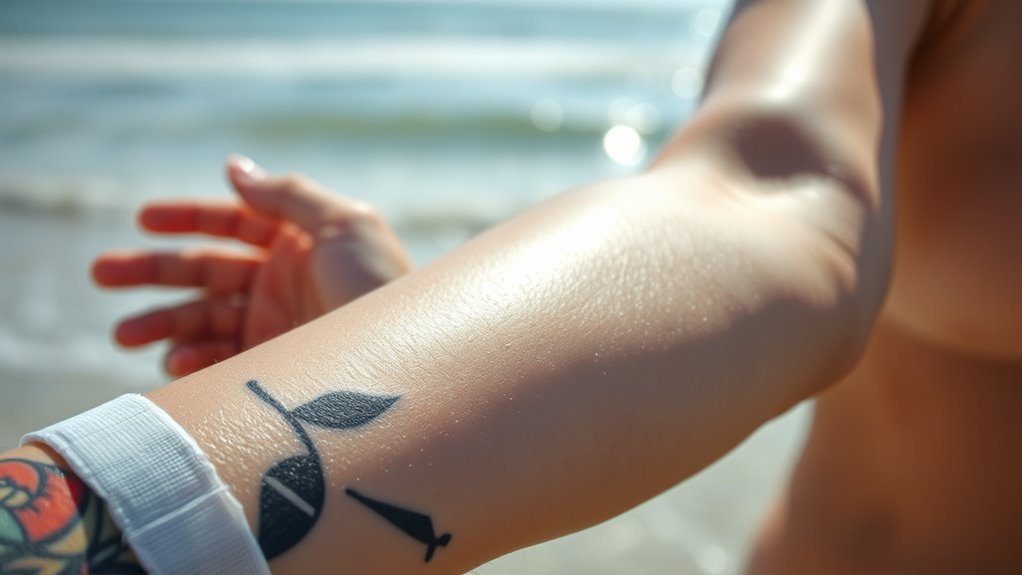
You should wait at least 2 to 4 weeks before swimming after getting a tattoo to guarantee it heals properly. When can I swim after a tattoo is a common question, and the answer hinges on ensuring your skin has formed a protective barrier. This barrier keeps out bacteria and prevents infection.
Swimming too soon—whether in pools, oceans, or hot tubs—can cause irritation, infection, and fading. Make sure your tattoo has no scabs, redness, or sensitivity before submerging it.
If you want to keep your tattoo vibrant and healthy, it’s important to follow proper care steps as healing completes. Taking these precautions helps your tattoo heal safely and look its best.
Understanding the Tattoo Healing Process
Although getting a new tattoo is exciting, you need to understand how it heals before jumping into any water activities. Your tattoo goes through several stages during healing, starting with redness, swelling, and scabbing.
Before enjoying water activities, know that new tattoos heal through redness, swelling, and scabbing stages.
This initial phase usually lasts about a week.
Next, the tattoo may peel and itch as your skin regenerates. It’s important not to scratch or pick at the scabs to avoid scarring or ink loss.
During this time, your skin is forming a protective barrier to keep bacteria out and maintain ink quality.
Healing generally takes 2 to 4 weeks, but the deeper layers can take longer.
Knowing these stages helps you care for your tattoo properly and avoid actions that might interfere with its healing process.
Why Swimming Too Soon Can Harm Your Tattoo
As your tattoo heals, it creates a fragile barrier that protects against infections and preserves the ink. When you swim too soon, this barrier can easily break down.
Pools, lakes, and oceans harbor bacteria and chemicals that pose serious risks to a fresh tattoo.
Exposure to these elements can lead to infections, redness, swelling, and even scarring. Chlorine in pools, in particular, can irritate your skin and fade the colors.
Additionally, soaking your tattoo in water for extended periods softens the scabs, causing premature peeling or ink loss.
If you want your tattoo to heal properly and look vibrant, you need to avoid swimming until your skin fully recovers.
Protecting your fresh tattoo now guarantees it stays beautiful for years to come.
Recommended Waiting Period Before Swimming
Because your tattoo needs time to form a strong protective layer, you should wait at least two to four weeks before swimming. This waiting period allows your skin to heal properly, reducing the risk of infection and color fading.
During this time, keep your tattoo clean and moisturized, but avoid submerging it in water.
Even after two weeks, inspect your tattoo for any signs of scabbing or irritation. If you see any, give it more time before jumping in.
Remember, everyone’s healing process is different, so listen to your body. Waiting patiently guarantees your tattoo stays vibrant and healthy.
Rushing into swimming too soon can compromise your tattoo’s appearance and your skin’s health, so stick to this recommended timeline for the best results.
Differences Between Pool, Ocean, and Hot Tub Water
When you decide to swim after getting a tattoo, it’s important to understand how pool, ocean, and hot tub water affect your healing skin differently. Pool water contains chlorine, which can irritate your fresh tattoo and slow healing by drying out the skin.
Ocean water, although natural, has salt and bacteria that can increase infection risk if your tattoo isn’t fully healed.
Hot tubs pose the highest risk because warm water encourages bacterial growth, making infections more likely.
Plus, the heat can cause your tattoo to swell or fade. To protect your tattoo, avoid all these water types until it’s fully healed.
Each environment presents unique challenges, so understanding these differences helps you make better decisions about when and where to swim safely.
Signs Your Tattoo Is Ready for Swimming
Before you jump back into the water, you need to recognize the clear signs that your tattoo has healed enough to handle swimming.
First, your tattoo should no longer be scabbed or peeling; the skin must be fully closed and smooth to prevent infection.
You shouldn’t see any redness, swelling, or irritation around the tattoo area. It should feel normal to the touch, without tenderness or sensitivity.
A healed tattoo also loses its shiny or raw appearance and looks vibrant and settled into your skin.
If you notice any oozing or crusting, it’s not ready yet.
Waiting until these signs appear ensures your tattoo is protected from bacteria and chemicals in the water, helping maintain its quality and your skin’s health.
How to Protect Your Tattoo When Swimming
Knowing your tattoo is fully healed is just the first step; you also need to take specific measures to protect it while swimming. Before jumping in, apply a waterproof bandage designed for tattoos to shield it from bacteria and chlorine.
Choose swimming spots with clean, well-maintained water to reduce infection risk. After swimming, rinse your tattoo gently with fresh water to remove chemicals or salt.
Avoid prolonged sun exposure on your tattoo while swimming outdoors. Wear protective clothing or apply a high SPF sunscreen once it’s healed.
Lastly, listen to your body: if your tattoo feels irritated or painful after swimming, give it more time to heal before your next dip.
Taking these precautions helps keep your tattoo vibrant and safe.
Aftercare Tips to Support Healing Post-Swim
Although swimming can feel invigorating, your tattoo needs careful aftercare to heal properly once you’re out of the water. First, gently pat your tattoo dry with a clean, soft towel. Don’t rub, as that can irritate the skin.
Next, apply a thin layer of fragrance-free, moisturizing ointment or lotion recommended by your tattoo artist to keep the area hydrated.
Avoid tight clothing that might rub against your tattoo, and steer clear of direct sunlight while it’s still healing.
Make sure to wash your hands thoroughly before touching your tattoo to prevent introducing bacteria.
Finally, monitor for any unusual signs like excessive redness or swelling, and keep following your artist’s instructions to support a smooth healing process.
What to Do If Your Tattoo Shows Signs of Infection
Even with careful aftercare, sometimes tattoos can develop signs of infection. If you notice increased redness, swelling, warmth, pus, or a fever, act quickly.
First, avoid swimming or soaking your tattoo to prevent worsening the infection. Clean the area gently with mild soap and lukewarm water, then pat it dry with a clean towel.
Avoid swimming and gently clean your tattoo with mild soap and lukewarm water, then pat dry carefully.
Apply a thin layer of antibiotic ointment if recommended by your tattoo artist or healthcare provider.
Monitor your symptoms closely, and if they don’t improve within a day or two or get worse, seek medical attention promptly.
Don’t ignore persistent pain or spreading redness. Early treatment is vital to prevent complications and ensure your tattoo heals properly without long-term damage.
Frequently Asked Questions
Can I Apply Sunscreen on a New Tattoo Before Swimming?
You shouldn’t apply sunscreen on a new tattoo before swimming because your skin is still healing, and sunscreen can irritate it.
Wait until it’s fully healed, then protect your tattoo with sunscreen to avoid fading or damage.
Does Tattoo Size Affect Healing Time Before Swimming?
Yes, larger tattoos usually take longer to heal before you can swim safely. Bigger areas mean more skin damage, so you’ll need extra time to avoid infection and protect your tattoo from water exposure.
This extra healing time helps ensure the skin has properly closed and reduces the risk of complications. Always follow your tattoo artist’s advice for aftercare and when it’s safe to swim.
Are Waterproof Bandages Safe for Covering Tattoos in Water?
Think of waterproof bandages as a shield guarding your tattoo’s delicate kingdom. You can use them, but don’t rely on them too long—water might sneak in, risking infection.
Change them regularly to keep your art safe.
Can Certain Tattoo Ink Colors Affect Healing in Water?
Yes, some ink colors, like red or yellow, can cause more irritation and slower healing in water.
You should avoid swimming until your tattoo fully heals to prevent infection or fading, especially with sensitive colors.
Is It Safe to Swim With a Tattoo During Allergy Season?
Imagine your fresh tattoo like a flower in a pollen storm—swimming during allergy season isn’t safe. You’ll risk irritation or infection, so wait until it’s fully healed and your skin’s strong before taking the plunge.
Conclusion
Now that you know when to swim after your tattoo, remember patience is your best friend—no time-traveling to the 1800s to rush healing! Give your skin the care it deserves, wait until your tattoo shows clear signs of healing, and protect it whenever you take a dip.
Follow these steps, and you’ll keep your new ink vibrant and infection-free. Swim smart, heal well, and enjoy your tattoo for years to come!
By understanding when to swim after a tattoo and following proper aftercare, you ensure your tattoo heals beautifully. Protect your skin, avoid swimming too soon, and maintain your tattoo’s brightness with good hygiene and care.