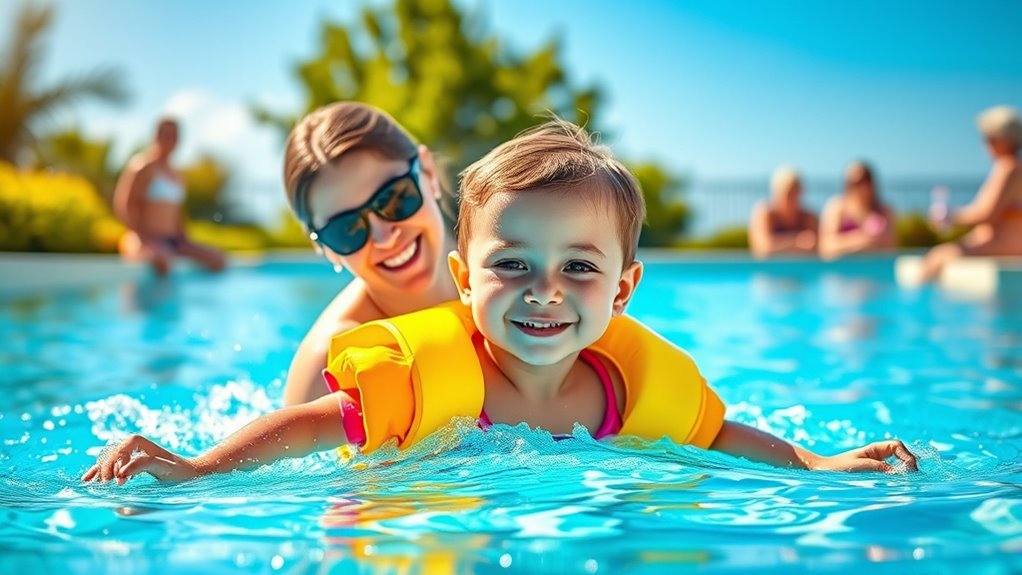
When Can You Start Swimming Lessons and How to Get Started
You can start swimming lessons as early as age one to help your child get comfortable and safe in the water. When considering when to start swimming lessons, it’s important to find a program with certified instructors, small classes, and a clean, warm pool. Focus first on basic skills like floating, breath control, and gentle movements to build confidence.
To get started, visit local swim schools and ask about introductory classes. Keep your child motivated with water play and positive support. Consistency and encouragement are key to making swimming lessons enjoyable.
Keep exploring different programs to find the right approach and tips for success. With the right environment and guidance, your child can develop essential swimming skills early on.
Ideal Age to Begin Swimming Lessons
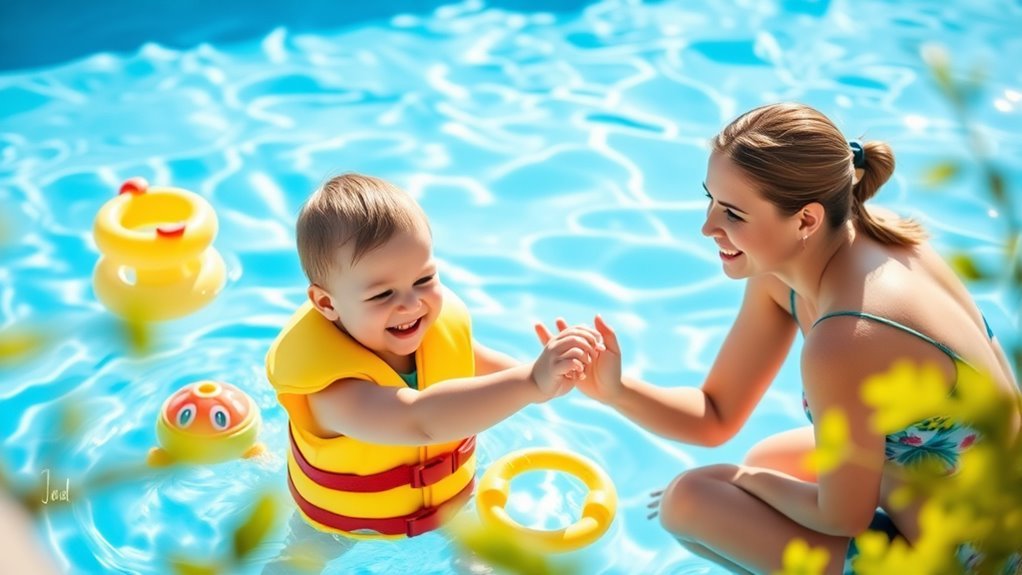
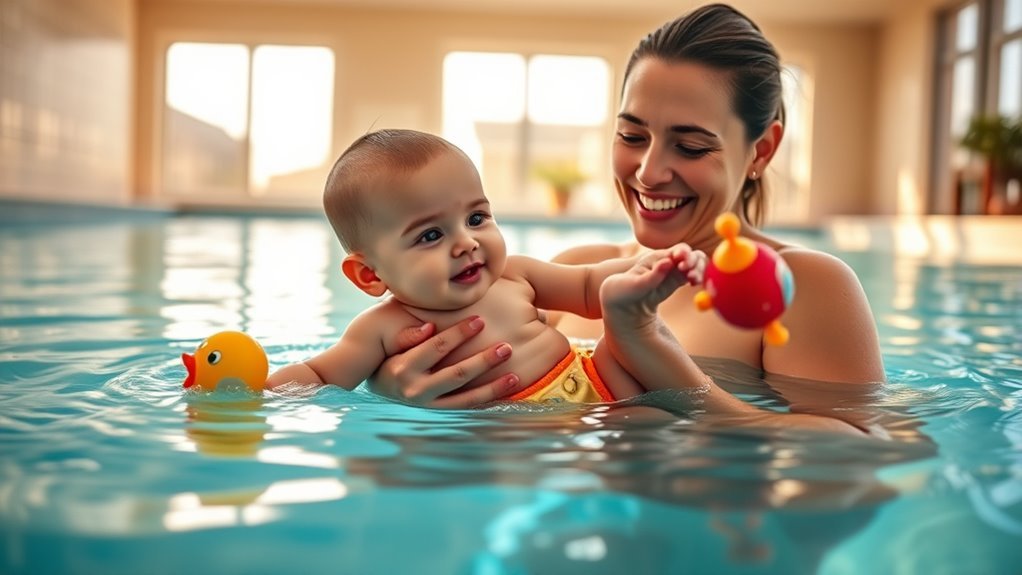
Although you can introduce water safety at any age, the ideal age to begin formal swimming lessons is typically between 1 and 4 years old.
At this stage, your child’s motor skills and coordination have developed enough to learn basic swimming techniques securely.
You’ll find that lessons tailored for toddlers focus on water comfort, breath control, and simple movements.
Starting early also helps your child build confidence around water under professional supervision.
Keep in mind, every child is different. Some may be ready slightly earlier or later.
It’s important to choose certified instructors experienced with young learners and to ensure a positive, pressure-free environment.
Benefits of Early Water Familiarization
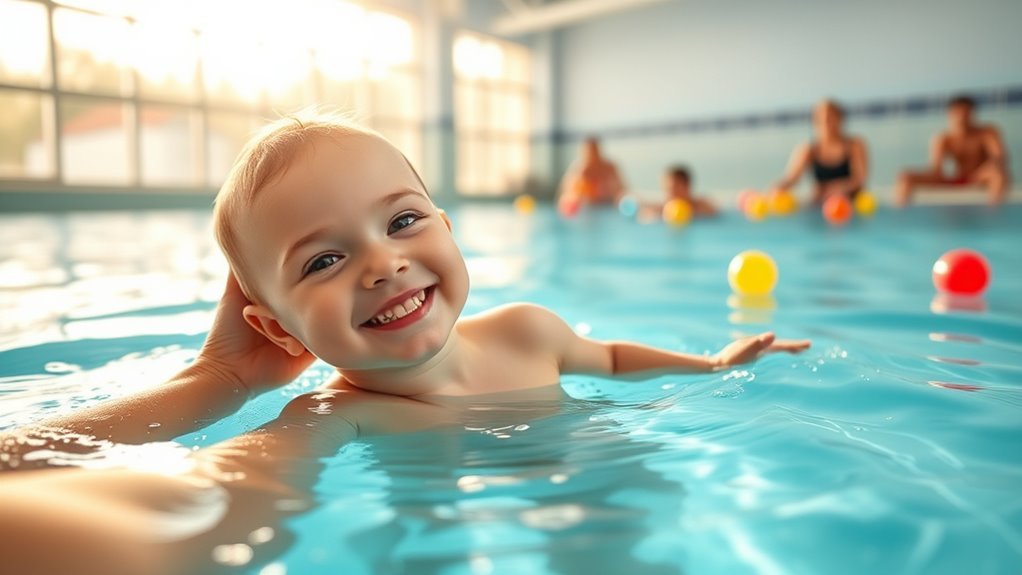
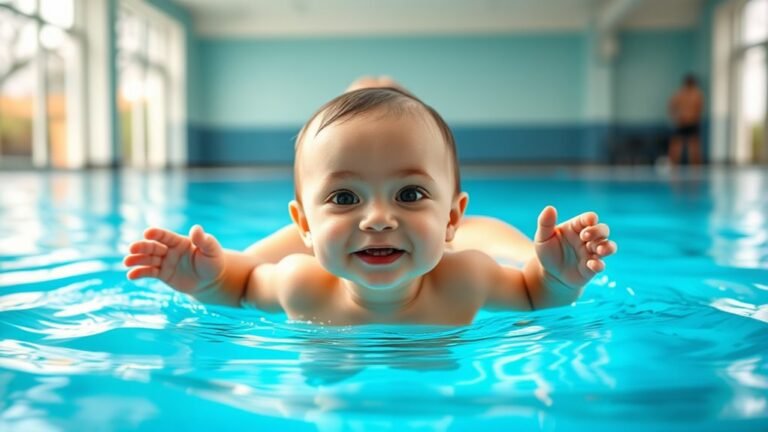
Starting swimming lessons early not only builds your child’s confidence but also introduces them to the water in a gentle, familiar way. When you get your child used to water at a young age, they become comfortable and less fearful, which makes learning to swim easier.
Early water familiarization helps develop essential motor skills and coordination, improving your child’s overall physical development. It also promotes safety awareness, as children who are comfortable in water tend to respond better in emergency situations.
Plus, those early positive experiences can foster a lifelong love for swimming and water activities. By gently exposing your child to water early on, you set the foundation for successful lessons and a healthy, active lifestyle centered around water enjoyment.
Choosing the Right Swimming Program
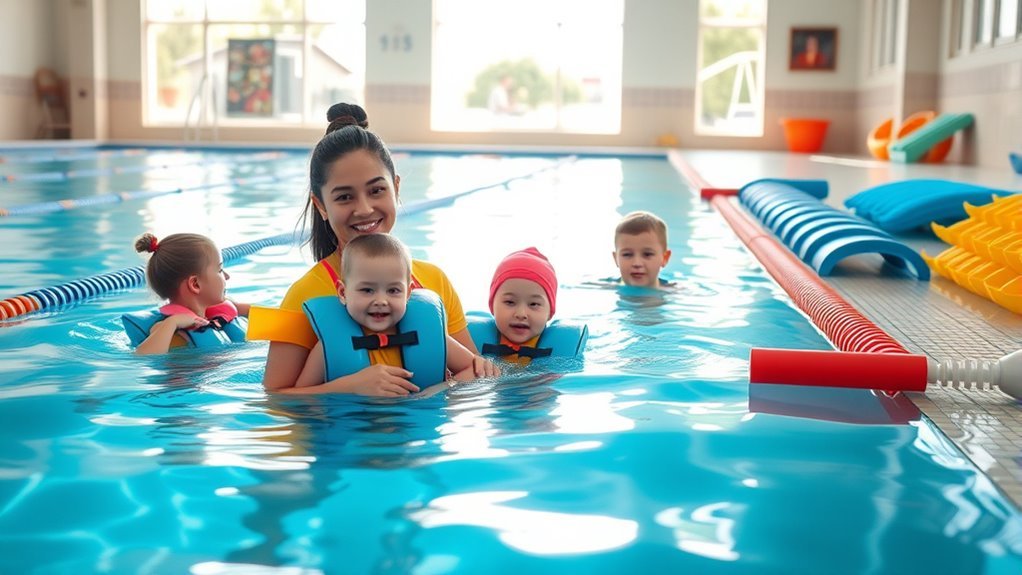
When selecting a swimming program for your child, you’ll want to take into account their age, skill level, and learning style to guarantee the best fit. Look for programs that offer small class sizes to provide personalized attention.
Consider your child’s age, skills, and learning style when choosing a swimming program with small classes for personalized attention.
Consider whether the instructor is certified and experienced in teaching children at your child’s developmental stage. Some programs focus on water safety, while others emphasize stroke development or building confidence, so choose one that matches your goals.
Also, check the facility’s cleanliness, water temperature, and safety measures. Don’t hesitate to observe a class or ask about the curriculum before enrolling.
Ultimately, picking the right program helps your child feel comfortable and motivated, setting the stage for a positive swimming experience.
Key Skills Taught in Beginner Swimming Lessons
Since beginner swimming lessons lay the foundation for your child’s water confidence and safety, instructors focus on essential skills like floating, breath control, and basic arm and leg movements.
Your child will learn how to float on their back and stomach, which helps build comfort in the water.
They’ll practice blowing bubbles to develop breath control, an important skill for swimming underwater.
Basic arm strokes and kicking techniques are introduced to promote coordination and movement.
Instructors also teach how to enter and exit the pool safely.
These skills not only build your child’s swimming ability but also increase their overall water awareness.
Preparing Your Child for Their First Lesson
Before your child steps into the pool for their first lesson, you can help ease their nerves by explaining what to expect and packing all the necessary gear. Let them know the instructor will guide them gently and that it’s okay to take breaks.
Preparing together builds confidence and excitement.
Here’s what you should bring:
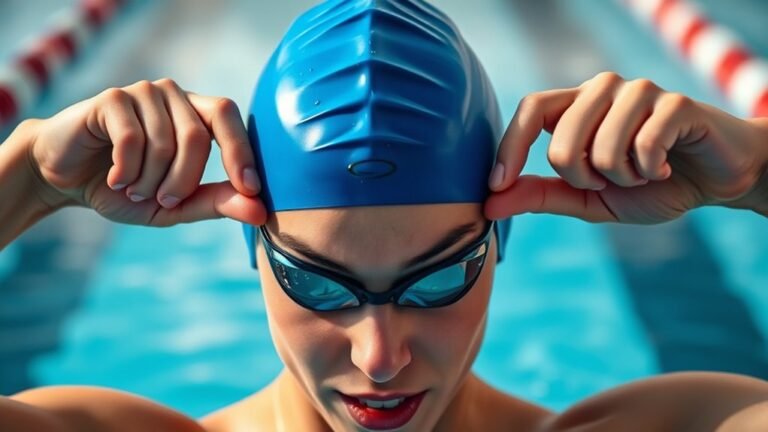
- A well-fitting swimsuit and swim cap
- Goggles to protect their eyes
- A towel and a change of clothes
- A waterproof bag for wet items
Make sure your child eats a light snack beforehand and arrives early to get comfortable with the surroundings. Your calm attitude will help them feel safe and ready to enjoy learning to swim.
How to Support Progress Outside of Lessons
Although swimming lessons provide essential skills, you can greatly boost your child’s progress by practicing and encouraging good habits outside of class. Take time to visit pools together, letting your child get comfortable in water beyond lesson times.
Encourage regular water play to build confidence and familiarity. Reinforce safety rules, like never swimming alone, to develop responsible habits early. Celebrate small achievements to keep motivation high.
You can also watch instructional videos with your child, helping them visualize techniques they’re learning. Remember to maintain a positive attitude. Your enthusiasm will inspire them.
Consistent, supportive involvement outside lessons accelerates skill retention and enjoyment, making swimming a rewarding experience for your child.
Common Challenges and How to Overcome Them
When your child encounters difficulties during swimming lessons, it’s important to address them promptly to keep progress on track. Challenges like fear of water or difficulty mastering techniques can slow learning, but you can help overcome these hurdles effectively.
Here are four common challenges and how to tackle them:
- Fear of Water: Use gradual exposure and positive reinforcement to build comfort.
- Inconsistent Attendance: Maintain a regular schedule to develop routine and confidence.
- Difficulty with Breathing Techniques: Practice breathing exercises outside the pool for familiarity.
- Lack of Motivation: Set small goals and celebrate achievements to keep your child engaged.
Tips for Adult Beginners Starting Swimming Lessons
If you’re new to swimming as an adult, starting lessons can feel intimidating, but with the right approach, you’ll build skills and confidence quickly. Begin by choosing a patient instructor who understands adult learners.
Communicate your goals and any fears upfront to tailor your learning experience. Focus on mastering basic breathing techniques and floating first—these form the foundation for all strokes.
Don’t rush; progress at your own pace and celebrate small improvements. Practice regularly outside lessons to reinforce skills and build comfort in the water.
Wear comfortable swimwear and bring goggles to improve visibility. Finally, stay positive and persistent. Everyone starts somewhere, and each lesson gets you closer to becoming a confident swimmer.
Frequently Asked Questions
What Safety Equipment Is Required for Swimming Lessons?
You’ll need a well-fitted life jacket or flotation device if you’re a beginner, plus goggles to protect your eyes.
Swim caps and non-slip pool shoes can add safety and comfort during lessons, too.
How Often Should Swimming Lessons Be Scheduled Weekly?
Like training for a marathon, you should schedule swimming lessons two to three times weekly to build skill and stamina.
Consistency helps you progress faster, so stick to a regular routine for the best results.
Are Private or Group Lessons More Effective for Beginners?
Private lessons are usually more effective for beginners since you’ll get personalized attention tailored to your pace and needs.
Group lessons can be fun and social, but you might not progress as quickly without focused guidance.
Can Children With Medical Conditions Attend Swimming Lessons?
Like a beacon in fog, swimming lessons can welcome children with medical conditions, but you should consult their doctor first.
Tailored lessons and trained instructors will help keep them safe while they build confidence in the water.
What Certifications Do Swimming Instructors Typically Hold?
Swimming instructors typically hold certifications like the American Red Cross Water Safety Instructor or YMCA Swim Instructor.
They’ll also have CPR and First Aid certifications to keep you safe while teaching you essential swimming skills.
Conclusion
Starting swimming lessons is like planting a seed that will grow into confidence and skill. Whether you’re dipping your toes in early or diving in as an adult, each stroke brings you closer to mastering the water’s rhythm.
By choosing the right program and supporting progress, you’re lighting a path through the waves of challenge. So, take the plunge—your swimming journey is just beginning, and the water is waiting to embrace you.
Remember, knowing when you can start swimming lessons and how to get started is the first step to enjoying the many benefits of swimming. Embrace the process, and soon you’ll be moving confidently through the water.