How You Can Safely Swim 12 Hours After Shocking Your Pool
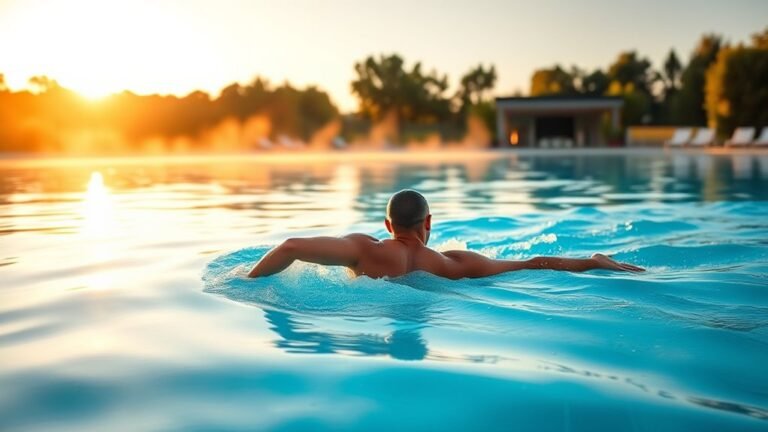
You can safely swim 12 hours after shocking your pool by first testing the chlorine levels to verify they’ve dropped to the safe range of 1-3 ppm. Checking chlorine levels is essential to ensure the water is safe for swimming.
Also, check the pH stays between 7.2 and 7.8 and make sure the water is clear without strong chemical odors. Proper pH balance helps maintain water comfort and effectiveness of chlorine.
Proper filtration and circulation help chemicals distribute evenly, speeding up recovery. Keep these steps in mind, and you’ll find helpful tips to maintain safe, clean pool water after shocking it.
Understanding Pool Shock and Its Effects
Although shocking your pool is essential for maintaining clean water, you need to understand what happens during this process. When you shock a pool, you add a high dose of chlorine or other oxidizers to eliminate bacteria, algae, and organic contaminants.
This sudden chemical boost breaks down harmful substances that regular chlorination might miss. You’ll notice the water might become cloudy or emit a strong chlorine smell immediately after shocking. That’s because the chlorine is actively working to neutralize impurities.
It’s important to recognize that the water’s chemical balance changes markedly during this time. While shocking effectively sanitizes, it temporarily raises chlorine levels beyond safe swimming limits.
Knowing this helps you appreciate why you shouldn’t jump in right away, even if the water looks clear.
Why Waiting Time Matters After Shocking
Because shocking your pool raises chlorine levels temporarily, waiting before swimming is essential to avoid skin irritation and respiratory issues. When you shock your pool, chlorine spikes to kill bacteria and algae, but these high levels can be harsh on your skin, eyes, and lungs.
If you jump in too soon, you risk discomfort and possible health problems. Waiting allows chlorine to dissipate to safer concentrations, making the water comfortable and safe for you.
Plus, it guarantees the shock treatment has done its job effectively.
Ideal Chlorine Levels for Safe Swimming
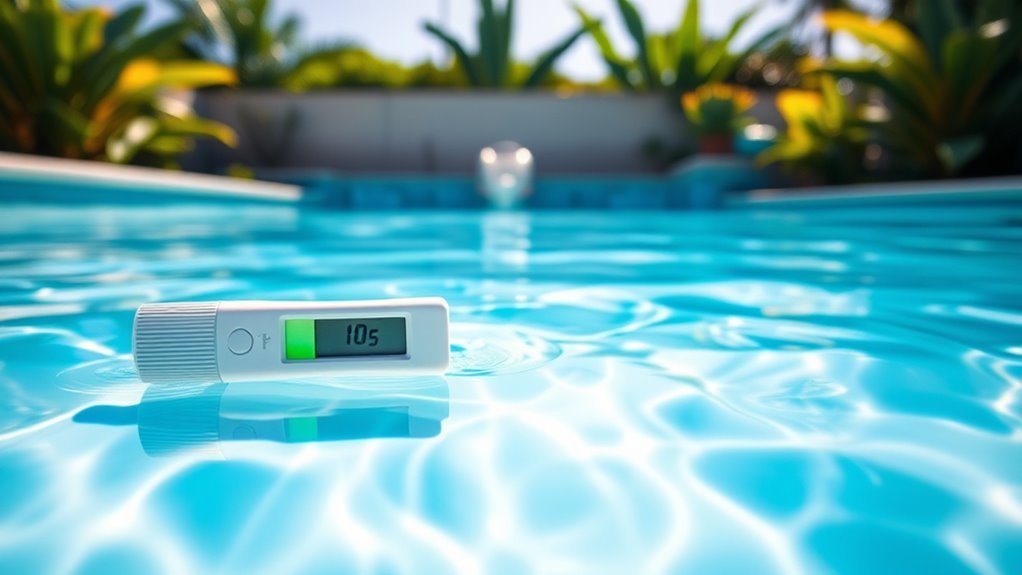
To swim safely after shocking your pool, you need to make certain the chlorine levels have dropped to an ideal range. High chlorine levels can irritate your skin and eyes, making swimming uncomfortable or even unsafe.
Typically, safe swimming chlorine levels range between 1 and 3 parts per million (ppm). Levels below 1 ppm may not effectively sanitize the water, while levels above 5 ppm can be harmful.
Here’s a quick guide to help you understand chlorine levels:
| Chlorine Level (ppm) | Safety Status | Swimming Recommendation |
|---|---|---|
| Below 1 | Low Sanitization | Avoid swimming, risk of germs |
| 1 to 3 | Ideal Range | Safe for swimming |
| Above 5 | Too High | Wait, can cause irritation |
Always ensure your pool’s chlorine is in the ideal range before diving in.
How to Test Your Pool Water Accurately
Knowing the ideal chlorine levels is only part of the process. You’ll need to test your pool water accurately to guarantee those levels are safe. Start by using a reliable pool test kit or digital tester designed for chlorine measurements.
Collect water samples from about elbow depth, away from return jets, to get a true reading. Follow the instructions carefully, adding reagents exactly as directed to avoid skewed results. Wait the recommended time before reading the color change or digital display.
Record your readings immediately, then compare them to safe chlorine ranges. Test your water multiple times throughout the day, especially after shocking.
Accurate testing ensures you won’t swim with harmful chlorine levels or ineffective sanitation, keeping you and your pool safe and ready for use.
The Role of Ph Balance in Pool Safety
While maintaining proper chlorine levels is crucial, you also need to pay close attention to your pool’s pH balance to guarantee safety. pH affects how chlorine works and how comfortable your water feels.
If your pool’s pH is off, too high or too low, it can reduce chlorine’s effectiveness, leaving harmful bacteria behind. Plus, imbalanced pH can irritate your skin, eyes, and respiratory system.
Aim for a pH between 7.2 and 7.8 for ideal safety.
After shocking your pool, test the pH alongside chlorine levels before swimming. Adjust it using pH increasers or decreasers if needed.
Keeping the right pH ensures your chlorine can do its job and makes swimming safer and more enjoyable after shocking.
Steps to Take Immediately After Shocking
Once you’ve finished shocking your pool, the next steps you take are essential for ensuring safety and restoring balance. First, run your pool pump continuously to circulate the water and evenly distribute the shock treatment.
Next, avoid adding any chemicals right away; let the shock work without interference. Keep the pool covered if possible to prevent debris and contaminants from entering.
Avoid adding chemicals immediately and keep the pool covered to maintain cleanliness and let the shock treatment work effectively.
Check for any visible signs of cloudiness or debris, and use a pool net to remove them promptly. It’s also important to keep kids and pets away from the pool during this period.
Finally, monitor your pool’s chlorine and pH levels but don’t attempt to swim until they stabilize. Taking these immediate steps helps your pool recover safely and efficiently.
Signs Your Pool Is Ready for Swimming
Before you jump back into the pool, you need to verify that the water is safe and balanced. Check that the chlorine level has dropped to between 1 and 3 ppm, which is safe for swimmers. Use a reliable test kit to measure chlorine and pH levels.
The pH should be between 7.2 and 7.8 to avoid skin and eye irritation. Look for clear water with no lingering cloudiness or strong chemical odors.
Also, confirm the pool’s temperature is comfortable and the water feels fresh.
If these conditions are met, your pool is ready for swimming. Taking these simple steps helps guarantee a safe and enjoyable swim, preventing discomfort or health issues caused by improperly balanced water.
Precautions to Follow When Swimming Early
If you decide to swim soon after shocking your pool, you need to take extra precautions to protect your skin and eyes from irritation. Chlorine levels may still be high, so limiting your exposure is key. Always shower immediately after swimming to rinse off any residual chemicals.
Wearing goggles can shield your eyes and prevent redness or stinging. Avoid swallowing pool water and keep your swim time brief.
| Precaution | Why It Matters |
|---|---|
| Shower After Swim | Removes chlorine from skin and hair |
| Wear Goggles | Protects eyes from irritation |
| Limit Swim Time | Reduces exposure to high chlorine |
Taking these steps helps prevent discomfort and keeps your swimming experience safe and enjoyable.
Alternative Methods to Speed Up Pool Recovery
Although shocking your pool is effective for eliminating contaminants, it can leave chlorine levels too high for safe swimming. To speed up recovery, you can use a pool aerator or run your pump with the return jets aimed at the surface. This helps release excess chlorine gas faster.
Adding a chlorine neutralizer like sodium thiosulfate is another option, but use it cautiously to avoid lowering chlorine too much.
Also, exposing the pool to direct sunlight naturally breaks down chlorine quicker, so keep covers off during the day.
Finally, regularly testing chlorine levels allows you to monitor progress and know when it’s safe to swim.
Maintaining Water Quality Between Shocks
To keep your pool water clean and balanced between shocks, you need to monitor and adjust its chemistry regularly. Test your water at least twice a week to check chlorine levels, pH, alkalinity, and calcium hardness.
Keeping chlorine between 1-3 ppm prevents algae and bacteria growth without over-chlorinating. Maintain pH between 7.2 and 7.6 to ensure chlorine works effectively and avoid skin irritation.
Adjust alkalinity to 80-120 ppm to stabilize pH fluctuations. Use a pool brush and vacuum regularly to remove debris and prevent algae buildup.
Running your pool pump daily for 8-12 hours guarantees proper filtration and circulation.
Frequently Asked Questions
Can Pool Shock Affect My Pool Equipment or Liner?
Yes, pool shock can damage your pool equipment or liner if used improperly. You should follow instructions carefully, avoid over-shocking, and guarantee proper circulation to protect your investment and keep everything running smoothly.
What Types of Pool Shock Are Safest for Sensitive Skin?
About 60% of swimmers report skin irritation from harsh chemicals.
You’ll want gentler options like potassium monopersulfate or non-chlorine shock—they’re less abrasive and better for sensitive skin, helping you enjoy swimming without discomfort.
How Does Weather Impact the Effectiveness of Pool Shock?
Weather impacts pool shock effectiveness because sunlight breaks down chlorine faster, so you’ll need to shock more often on sunny days.
Cooler temperatures slow chemical reactions, meaning the shock works longer but may take more time to sanitize.
Can Pets Safely Swim in the Pool After Shocking?
No, you shouldn’t let pets swim right after shocking the pool. Chemicals can irritate their skin and eyes.
Wait until chlorine levels drop to safe ranges, usually after 24 hours, before letting them in.
Is It Safe to Swim Immediately After Adding Other Pool Chemicals?
You can’t just plunge in right after adding pool chemicals; imagine swirling clouds beneath the surface.
Wait until the water clears and chemicals fully mix—usually a few hours—to keep your swim safe and invigorating.
Conclusion
It’s easy to think you have to wait days after shocking your pool, but if you test your chlorine and pH levels carefully, you might find that swimming safely in just 12 hours is possible—almost like the pool’s recovery coincides perfectly with your schedule.
By staying vigilant and following precautions, you not only protect yourself but also keep your pool sparkling clean.
This proves that patience and knowledge can turn timing into your greatest ally when it comes to how you can safely swim 12 hours after shocking your pool.