
How to Swim Safely After Getting a Tattoo
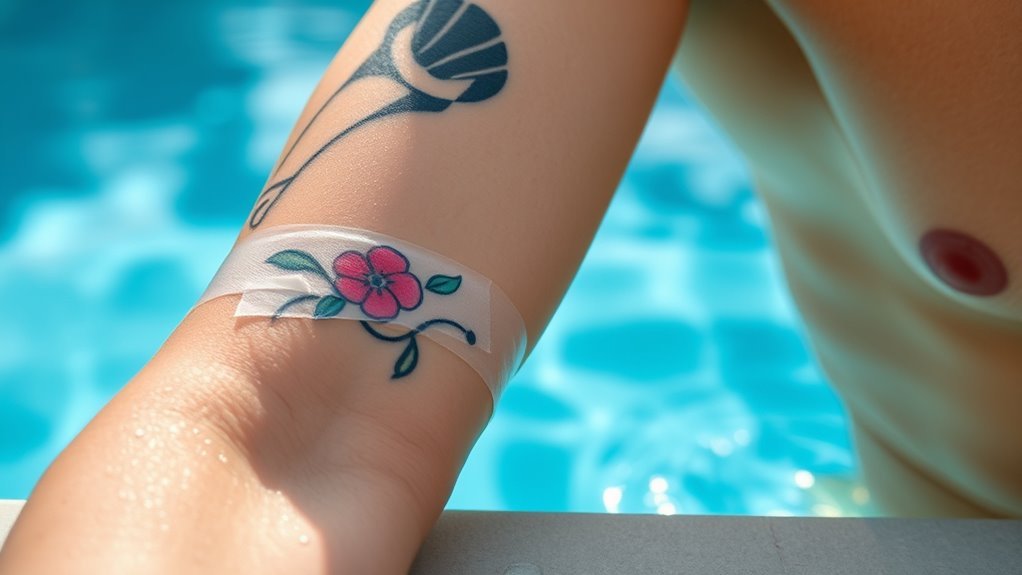
You should wait at least 2 to 4 weeks before swimming to let your tattoo fully heal and avoid infections. Swimming safely after getting a tattoo is crucial to protect your skin and preserve the artwork. Pools, lakes, and oceans can expose your fresh tattoo to bacteria and chemicals that irritate your skin and damage the ink.
If you must swim sooner, use a waterproof bandage, but avoid scrubbing or picking at scabs. Proper aftercare keeps your tattoo vibrant and healthy. Keep going to discover how to protect and care for your tattoo in and out of the water.
Understanding the Healing Process of a New Tattoo
Although getting a tattoo is exciting, you need to understand that your skin undergoes a complex healing process afterward. Your tattoo is essentially an open wound, and your body immediately starts repairing it.
You’ll notice redness, swelling, and scabbing as part of this natural response. Over the first few days, your skin forms a protective layer while new skin cells regenerate beneath.
It’s vital to keep the area clean and moisturized to prevent infection and promote proper healing. Avoid picking at scabs or scratching, as this can cause scarring or color loss.
Healing times vary, but generally, the outer layer of skin takes about two to three weeks to heal, while deeper layers continue recovering for several months.
Understanding this helps you care for your tattoo thoughtfully.
Why Swimming Too Soon Can Harm Your Tattoo
Because your new tattoo is fundamentally an open wound, swimming too soon can expose it to harmful bacteria and chemicals that increase the risk of infection and fading.
Pools, lakes, and oceans contain various microorganisms that can easily invade your skin while it’s still healing.
Chlorine and saltwater can also irritate the sensitive area, causing dryness and peeling, which disrupts proper healing.
When your tattoo is wet for extended periods, the ink may leach out, dulling the design and requiring touch-ups.
Additionally, friction from water movement can damage delicate scabs, leading to scarring or uneven color.
To protect your tattoo’s appearance and health, it’s essential to avoid swimming until the skin has fully sealed and the healing process is well underway.
Recommended Waiting Time Before Swimming
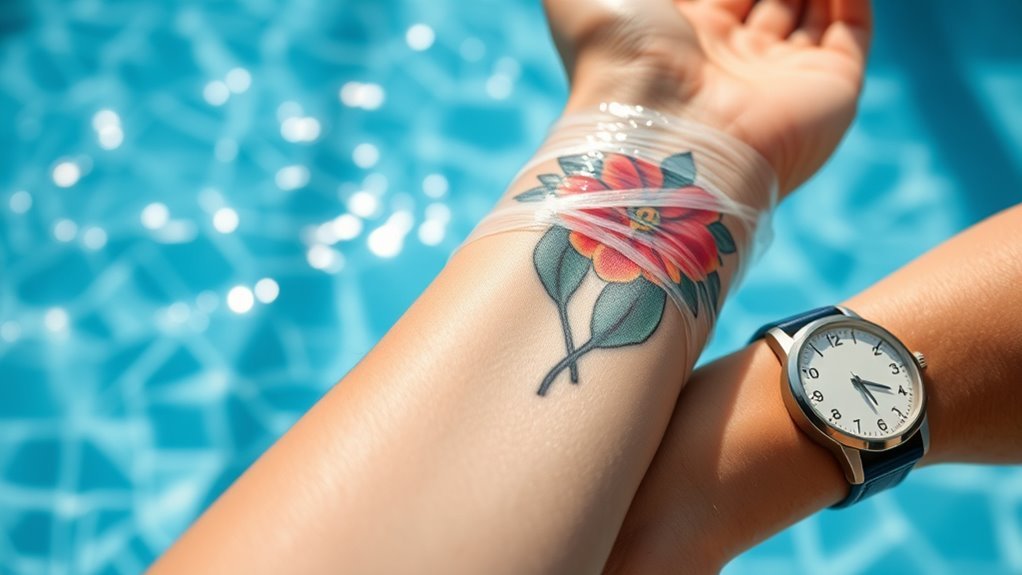
To protect your tattoo from infection and fading, you’ll want to wait until it’s fully healed before getting back in the water. Typically, this means waiting at least two to four weeks. During this period, your skin is repairing itself, forming a protective barrier over the ink.
Jumping into a pool or any body of water too soon can expose your tattoo to bacteria and chemicals, risking irritation and color loss. Keep in mind that healing times may vary depending on your tattoo’s size, placement, and your personal skin type.
If your tattoo still shows signs of scabbing, redness, or tenderness, hold off on swimming. When in doubt, consult your tattoo artist or a healthcare professional to make certain your tattoo heals properly before you dive back in.
Risks of Swimming in Pools, Lakes, and Oceans
When you swim in pools, lakes, or oceans with a fresh tattoo, you expose your skin to different risks that can delay healing or cause infections. Pools often contain chlorine, which can irritate your new tattoo and dry out the skin.
Lakes and oceans carry bacteria and other microorganisms that might infect the open wound. Additionally, debris and pollutants in natural bodies of water increase the chance of complications.
| Water Type | Main Risk | Effect on Tattoo |
|---|---|---|
| Pools | Chlorine irritation | Dryness, fading, irritation |
| Lakes | Bacterial contamination | Infection, delayed healing |
| Oceans | Salt and pollutants | Inflammation, discomfort |
Understanding these risks helps you avoid problems during your tattoo’s recovery period.
How to Protect Your Tattoo While Swimming
Although swimming with a fresh tattoo carries risks, you can take specific steps to protect your skin and promote healing.
First, avoid submerging your tattoo for at least two weeks or until it’s fully healed.
If you must swim, cover the tattoo with a waterproof bandage designed for sensitive skin. Make sure the covering is secure and intact to prevent water and bacteria from reaching the area.
After swimming, gently pat the tattoo dry with a clean towel. Don’t rub, as it may cause irritation.
Also, avoid exposing your tattoo to harsh chemicals like chlorine by minimizing pool time.
Aftercare Tips for Tattoos Exposed to Water
Since water exposure can irritate and slow your tattoo’s healing, you’ll want to follow specific aftercare steps to protect your skin.
First, always gently pat your tattoo dry with a clean towel after any contact with water. Avoid rubbing, which can damage the delicate skin.
Apply a thin layer of fragrance-free, moisturizing ointment or lotion recommended by your tattoo artist to keep the area hydrated.
Limit your time in water and avoid soaking your tattoo in baths, pools, or hot tubs.
If you swim, rinse off immediately afterward with fresh water to remove chlorine or salt.
Wear loose, breathable clothing to prevent irritation and allow your tattoo to breathe.
Following these steps helps your tattoo heal faster while minimizing discomfort and the risk of damage.
Signs of Infection and When to Seek Medical Help
Protecting your tattoo from water irritation is just one part of the healing process. You need to watch out for signs of infection that require prompt medical attention.
If you notice any unusual symptoms, don’t hesitate to seek help. Common warning signs include:
- Increasing redness or swelling around the tattoo
- Pus or unusual discharge
- Persistent pain or tenderness
- Fever or chills
- Red streaks spreading from the tattoo site
If you experience any of these symptoms, contact a healthcare professional immediately. Early treatment can prevent complications and ensure your tattoo heals properly.
Maintaining Vibrancy and Longevity of Your Tattoo
To keep your tattoo looking vibrant and fresh, you’ll want to care for it carefully even after it heals. Protect it from harsh sun exposure by applying broad-spectrum sunscreen regularly. Avoid prolonged soaking in pools or hot tubs to prevent color fading.
Keep your skin moisturized to maintain ink clarity and prevent dryness. Regularly cleaning your tattoo with gentle, fragrance-free products also helps preserve its appearance.
| Care Tip | Action | Benefit |
|---|---|---|
| Sun Protection | Apply SPF 30+ sunscreen daily | Prevents fading and damage |
| Moisturizing | Use fragrance-free lotion | Keeps skin hydrated |
| Avoid Soaking | Limit swimming and baths | Reduces ink leaching |
| Gentle Cleaning | Use mild soap, pat dry | Prevents irritation |
| Healthy Lifestyle | Stay hydrated, eat well | Supports skin health |
Frequently Asked Questions
Can Sunscreen Be Applied on a New Tattoo Before Swimming?
You shouldn’t apply sunscreen on a new tattoo before swimming because it can irritate the healing skin and trap bacteria.
Wait until your tattoo is fully healed before using sunscreen and exposing it to water.
Are Waterproof Tattoo Covers Effective for Swimming?
“Better safe than sorry” applies here. Waterproof tattoo covers can help protect your tattoo from water damage while swimming, but they’re not foolproof.
Always double-check the seal and avoid prolonged water exposure to keep your tattoo safe.
Does Saltwater Speed up Tattoo Healing?
No, saltwater doesn’t speed up tattoo healing; in fact, it can irritate your fresh tattoo and increase infection risk.
You should avoid swimming in the ocean until your tattoo is fully healed to protect it properly.
Can Tattoo Ink Fade From Chlorinated Water Exposure?
Yes, tattoo ink can fade from chlorinated water exposure, especially if you swim too soon after getting inked. Chlorine breaks down the ink pigments, so you should wait until your tattoo fully heals before swimming.
Is It Safe to Swim With a Tattoo That Is Peeling?
You might think it’s harmless, but you shouldn’t swim with a peeling tattoo. It can cause infection and damage your healing skin.
Wait until the peeling stops and your tattoo fully heals before diving back in.
Conclusion
If you plunge into swimming too soon after getting your tattoo, you might as well be inviting a full-on horror show of fading, infection, and irritation to set up camp on your skin. Waiting the recommended time isn’t just smart—it’s like giving your tattoo its superhero shield.
Protect it, follow aftercare, and watch your ink stay vibrant and flawless for years. Don’t rush; your masterpiece deserves nothing less than the best care!
Remember, swimming safely after getting a tattoo means waiting until your skin is fully healed. This careful approach helps prevent infection and keeps your tattoo looking its best. Prioritize proper aftercare and wait the recommended time before taking a dip.