
How to Listen to Music While Swimming Step by Step
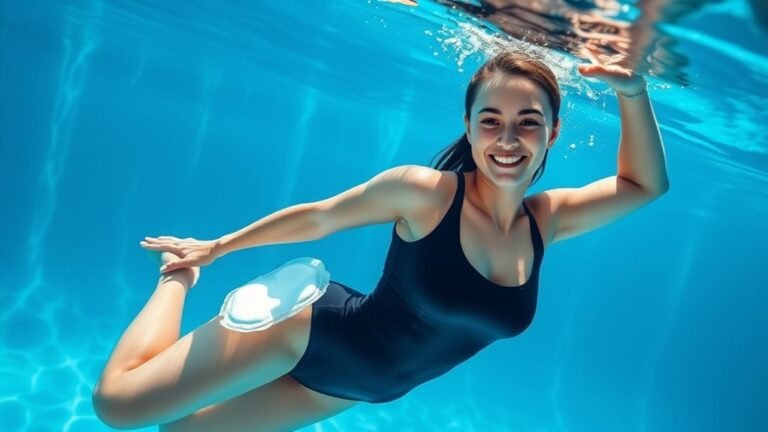
To listen to music while swimming, start by choosing a waterproof music device with an IPX7 rating or higher and secure-fit waterproof headphones. These essentials ensure your gear stays safe and functional underwater. Prepare a playlist in advance, download it offline, and fully charge your equipment for uninterrupted listening.
Test all your devices both dry and underwater to guarantee they work properly. Use waterproof cases or armbands to keep your device protected and within reach during your swim. Adjust the volume carefully to protect your hearing and avoid disturbing others around you.
After each swim, clean your headphones and device to maintain their longevity. Following these steps will help you enjoy music while swimming safely and conveniently. Keep reading to discover tips for an even better underwater listening experience.
Choosing the Right Waterproof Music Device

Before you plunge in, you’ll need to pick a waterproof music device that suits your swimming style and preferences. Consider whether you want a wearable device like a waterproof MP3 player or a waterproof case for your phone.
Look for devices with a secure fit to avoid distractions while you swim. Battery life matters; make sure it can last through your workouts. Check the device’s waterproof rating; IPX7 or higher usually means it can handle submersion.
Storage capacity is important too, depending on how many songs or playlists you want to carry. Also, think about controls—some devices let you skip tracks easily, which is handy underwater.
Selecting Waterproof Headphones or Earbuds
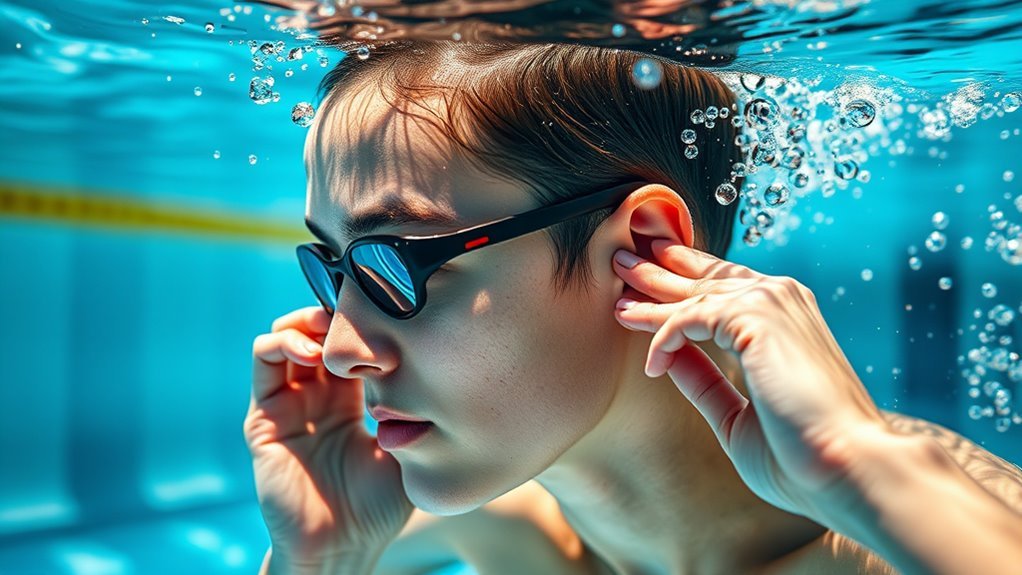
Once you’ve picked the right waterproof music device, it’s time to focus on how you’ll hear your tunes underwater. Selecting headphones or earbuds designed for swimming is vital. They need to be fully waterproof and secure during movement.
Look for models with an IPX7 rating or higher for reliable water resistance. Comfort and fit matter too; earbuds with ear hooks or fins stay put better. Sound quality underwater varies, so choose ones optimized for swimming.
| Feature | What to Look For |
|---|---|
| Waterproof Rating | IPX7 or higher |
| Fit | Secure fit with ear hooks |
| Sound Quality | Designed for underwater use |
| Battery Life | Long enough for your swim |
This guarantees your music stays clear, and your headphones stay put while you swim.
Preparing Your Playlist for Swimming

Although choosing the right headphones is essential, preparing your playlist is just as important to enhance your swimming experience. Start by selecting upbeat tracks that keep your energy high and motivation strong.
Since you won’t be able to change songs easily while swimming, create a playlist that lasts as long as your swim session. Include a mix of your favorite tunes to keep things interesting, but avoid songs with long intros or slow starts.
Consider downloading your playlist to your device to ensure uninterrupted playback, especially since streaming mightn’t work well near water.
Finally, organize your songs in the order you want to hear them, so you can focus on your swim without distractions.
This prep sets the stage for a more enjoyable, rhythmic workout.
Charging and Testing Your Equipment
Since your swim session depends heavily on reliable audio, you’ll want to fully charge your waterproof headphones and any connected devices before hitting the pool. Plug in your headphones using the provided charger and verify your music player or smartphone has enough battery to last through your swim.
After charging, test your equipment in a dry environment. Play your playlist to confirm sound quality and volume levels meet your expectations.
Next, submerge the headphones briefly in water to check their waterproof integrity without risking prolonged exposure.
Make sure all buttons and controls respond correctly while wet. This step helps you avoid interruptions or malfunctions during your swim.
Proper charging and thorough testing guarantee a seamless, enjoyable music experience as you swim.
Securing Your Music Device While Swimming
Before you plunge in, make sure you safeguard your music device properly to prevent it from slipping or getting damaged. Use waterproof cases or armbands designed specifically for swimming. These keep your device snug and protected.
Also, consider attaching a floating strap if you swim outdoors; it prevents loss if dropped. Avoid loose pockets or bags that can fill with water. Double-check all seals and fasteners to ensure they’re tight.
Here’s a quick guide to securing your device:
| Method | Benefit |
|---|---|
| Waterproof Case | Protects from water damage |
| Armband | Keeps device close and stable |
| Floating Strap | Prevents device sinking or loss |
| Tight Seals | Ensures no water entry |
| Secure Fasteners | Prevents slipping |
Adjusting Volume and Settings for Underwater Use
When you dive underwater, sound behaves differently, so you’ll need to adjust your volume and settings to get the best audio experience. Water muffles sound, so turning up the volume slightly is essential without causing distortion.
Diving underwater changes how sound travels, so adjust your volume carefully for clear, undistorted audio.
Many waterproof devices have preset modes or equalizers. Choose one optimized for underwater listening.
Here’s how to adjust your settings effectively:
- Increase the volume moderately before you submerge to compensate for water’s sound dampening.
- Select an underwater or bass-boost mode if your device offers it to enhance clarity.
- Use noise isolation features or snug-fitting earbuds to block external sounds and focus on your music.
Cleaning and Maintaining Your Gear After Swimming
After you finish swimming, you’ll want to clean and maintain your waterproof music gear to keep it functioning properly. Start by rinsing it thoroughly with fresh water to remove chlorine, salt, and debris.
Avoid using harsh soaps or chemicals, as these can damage seals and electronics. Gently dry your gear with a soft cloth, then let it air dry completely in a shaded, well-ventilated area.
Never expose it to direct sunlight or high heat sources, which can warp components.
Check the device’s seals and buttons regularly for wear or buildup, and replace parts if necessary.
Store your gear in a cool, dry place when not in use, ideally in its protective case.
Consistent care will extend your gear’s lifespan and ensure top performance every time you swim.
Tips for Safe and Enjoyable Listening Sessions
Although swimming with music can be incredibly fun, you should always stay aware of your surroundings to stay safe. Listening to tunes underwater boosts your motivation, but safety comes first.
Here are three tips to guarantee your sessions are both safe and enjoyable:
- Keep volume moderate. Don’t drown out ambient sounds; you need to hear lifeguards or other swimmers.
- Use waterproof gear correctly. Make sure your device is securely sealed and fits well to avoid distractions or water damage.
- Stay in familiar areas. Swim where you know the layout and potential hazards, so you can focus on your music without worry.
Frequently Asked Questions
Can I Listen to Music While Swimming in the Ocean?
Yes, you can listen to music while swimming in the ocean if you use waterproof headphones designed for swimming.
Just make sure they fit securely and have a reliable Bluetooth or MP3 player to avoid losing them in waves.
Does Underwater Music Affect Swimming Performance?
Yes, underwater music can affect your swimming performance by boosting motivation and rhythm, helping you maintain pace.
However, it might also distract you or reduce awareness of your surroundings, so use it carefully during training or casual swims.
Are There Risks of Ear Infections From Waterproof Earbuds?
Yes, you can risk ear infections; studies show 30% of waterproof earbud users report infections. To protect yourself, clean earbuds regularly, dry your ears thoroughly, and avoid sharing devices to keep swimming tunes safe and healthy.
Can I Use Regular Headphones With Waterproof Covers?
You can’t reliably use regular headphones with waterproof covers while swimming because they’re not designed to handle water pressure or submersion.
Instead, invest in specialized waterproof earbuds made for underwater use to guarantee safety and sound quality.
How Do I Prevent Water From Entering My Ears While Listening?
To keep water from sneaking into your ears while listening, use waterproof earplugs or silicone ear seals.
They create a tight barrier, so you won’t have to worry about water crashing the party in your ears.
Conclusion
Listening to music while swimming is like learning to dance with water—you need the right rhythm and gear to move seamlessly. By choosing waterproof devices, preparing your playlist, and caring for your equipment, you create harmony between sound and splash.
Just as a river flows smoothly when guided, your music will blend effortlessly with each stroke. Immerse yourself confidently, and let the melody carry you through every lap with joy and safety.
To enjoy music while swimming, select high-quality waterproof headphones or waterproof MP3 players designed for underwater use. Make sure your device is securely fitted, and test the sound quality before entering the pool.
Always prepare your playlist in advance to avoid interruptions, and remember to rinse your gear with fresh water after each swim to maintain its durability. Following these steps will help you listen to music while swimming safely and enjoyably.