Can You Wear Period Underwear for Swimming?
You can wear period underwear for swimming, but it won’t work like traditional swimwear or tampons. Water reduces its absorbency and can make it feel heavy and uncomfortable. Period underwear mainly provides leak protection for daily wear, not water resistance for swimming.
Tampons or menstrual cups suit water activities better. If you want to understand the pros, cons, and care tips for using period underwear in water or explore alternative products, keep exploring further information here.
How Period Underwear Works
Although period underwear looks like regular underwear, it uses multiple layers of specialized fabric to absorb and trap menstrual flow, keeping you dry and comfortable. The innermost layer wicks moisture away from your skin, while the middle layers absorb and lock in fluid, preventing leaks.
The outer layer is usually waterproof or water-resistant, stopping any seepage. This design allows you to move freely without worrying about stains or discomfort.
Unlike traditional pads or tampons, period underwear works silently and discreetly, making it a convenient choice for daily wear. When you put them on, you get the confidence of reliable protection without bulkiness, so you can focus on your day without distraction.
Absorbency Levels of Period Underwear
Because your flow can vary throughout your period, choosing the right absorbency level in period underwear is essential for comfort and protection. You’ll find options ranging from light to heavy absorbency, designed to handle anything from spotting to a heavy flow.
Light absorbency suits those with minimal discharge or as backup on lighter days.
Moderate absorbency covers average flow and offers reliable security during daily activities.
Heavy absorbency is best when your flow is at its peak or overnight.
Make sure to match the absorbency level to your needs to avoid leaks and discomfort. Understanding these levels helps you pick the right pair, ensuring you feel confident and secure, whether you’re lounging, working out, or even swimming.
Water Resistance and Period Underwear
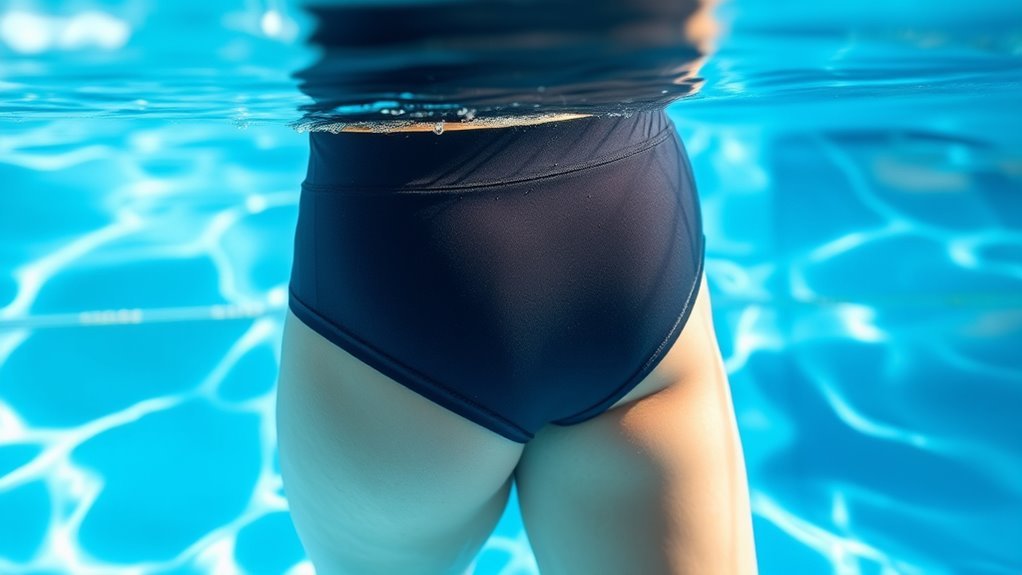
How well does period underwear hold up against water? While period underwear is designed to absorb menstrual flow, it isn’t made to be water-resistant like swimwear. If you wear it in the pool or ocean, the water can penetrate the fabric, potentially reducing its absorbency and causing discomfort.
The underwear’s waterproof layers are usually minimal or absent, so it won’t keep you dry underwater. However, some brands use quick-drying materials that feel comfortable even when wet.
If you’re considering swimming with period underwear, keep in mind that it’s primarily built for leak protection during daily wear, not for prolonged water exposure. You might find it less effective or comfortable once soaked, so plan accordingly to avoid surprises.
Comparing Period Underwear to Swimwear
When you compare period underwear to swimwear, you’ll notice they serve very different purposes. Period underwear is designed to absorb menstrual flow, while swimwear focuses on comfort, style, and water performance. Here’s how they differ:
- Material: Swimwear uses quick-drying fabrics like nylon or polyester, whereas period underwear contains absorbent layers that don’t dry quickly.
- Functionality: Swimwear is meant to stay lightweight and non-absorbent in water, but period underwear absorbs fluids, which can make it feel heavy and uncomfortable when wet.
- Design: Swimwear often includes features like chlorine resistance and stretch for movement, while period underwear prioritizes leak protection and discreetness.
Can Period Underwear Replace Tampons or Menstrual Cups in Water?
Understanding the differences between period underwear and swimwear helps clarify why period underwear mightn’t be the best option for use in water.
While period underwear absorbs menstrual flow, it isn’t designed to handle water exposure the way tampons or menstrual cups are.
Period underwear absorbs menstrual flow but isn’t built to handle water like tampons or menstrual cups.
When you swim, water dilutes the menstrual flow, making period underwear less effective and potentially uncomfortable as it soaks up both water and blood.
Tampons and menstrual cups work internally, preventing leaks by blocking or collecting flow before it exits your body.
This internal protection keeps you feeling dry and secure while swimming.
So, if you’re planning to swim during your period, relying solely on period underwear isn’t the safest choice.
You’ll want tampons or menstrual cups to stay worry-free in the water.
Benefits of Wearing Period Underwear for Swimming
Although period underwear isn’t designed specifically for swimming, it offers benefits like comfort and leak protection during light activities in water.
When you wear period underwear while swimming, you’ll appreciate:
1. Discreet Protection
It provides a thin, absorbent layer that helps catch minor leaks, giving you peace of mind.
2. Comfort
Made from soft, stretchy materials, period underwear feels like regular swimwear without the bulk of pads.
3. Eco-Friendly Choice
Reusable period underwear reduces waste compared to disposable products, making your swim more sustainable.
Potential Drawbacks of Using Period Underwear in the Pool
Since period underwear isn’t made to withstand extended exposure to water, you might notice it becomes less effective once soaked. The absorbent layers can quickly saturate, reducing their ability to hold menstrual flow and increasing the risk of leaks.
Plus, when submerged, the fabric can feel heavy and uncomfortable, which might distract you while swimming. You may also find that wet period underwear takes longer to dry than traditional swimwear, leading to discomfort after you get out of the pool.
Another downside is potential odor retention, as moisture trapped in the fabric creates a breeding ground for bacteria if you wear them too long.
Tips for Choosing the Right Period Underwear for Water Activities
To get the most out of period underwear during water activities, you’ll want to pick styles designed specifically for swimming or high-moisture environments. Not all period underwear offers the same level of protection or comfort when wet, so choose wisely.
Choose period underwear made for swimming to stay protected and comfortable in water activities.
Here are three tips to help you select the right pair:
- Look for waterproof or quick-drying fabrics. These help keep you comfortable and prevent leaks.
- Check the absorbency level. Make sure the underwear matches your flow to avoid feeling heavy or soaked.
- Prioritize a snug but comfortable fit. A secure fit prevents shifting and ensures protection while you swim or play in the water.
Following these tips will help you enjoy swimming with confidence and comfort.
How to Care for Period Underwear After Swimming
After swimming, you’ll want to rinse your period underwear promptly to remove chlorine, salt, and any residual blood. Use cold water to prevent staining and gently squeeze out excess water. Avoid wringing to maintain fabric integrity.
Next, hand wash your underwear with a mild detergent designed for delicate fabrics. Avoid bleach or fabric softeners, as they can damage the leak-proof layers. Rinse thoroughly to remove all soap.
Lay your underwear flat or hang it to air dry away from direct sunlight or heat, which can weaken elastic and waterproof materials. Following these steps helps preserve absorbency and extends the life of your period underwear, ensuring it stays comfortable and effective for your next swim.
Proper care makes all the difference in maintaining performance.
Alternative Menstrual Products for Swimming
Wondering what other menstrual products you can use for swimming besides period underwear? You’ve got several effective options that keep you comfortable and protected in the water. Consider these:
- Menstrual Cups: These are reusable, waterproof, and provide up to 12 hours of leak-proof protection. They form a seal inside you, so water stays out.
- Tampons: A classic choice that absorbs menstrual flow internally. Just make sure to change them regularly to avoid discomfort or infections.
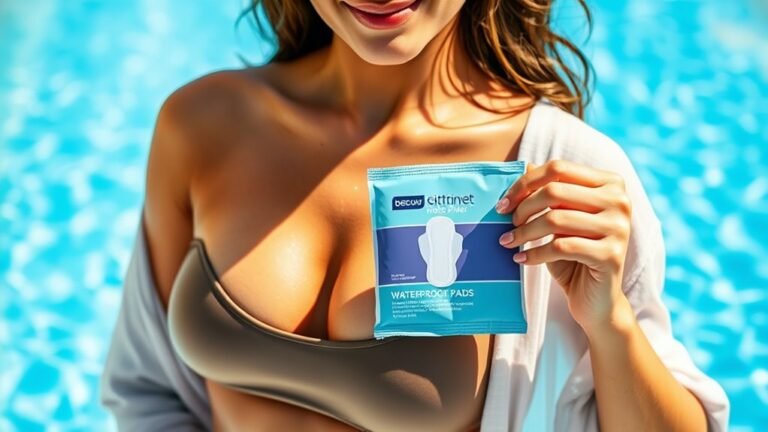
- Waterproof Swim Pads: Designed specifically for swimming, these pads have water-resistant layers to prevent leaks and stay in place.
Each option suits different preferences, so you can pick what fits your lifestyle best while enjoying your swim worry-free.
Frequently Asked Questions
Can Period Underwear Cause Infections if Worn Too Long While Swimming?
Yes, if you wear period underwear too long while swimming, you risk infections because moisture and bacteria can build up.
You should change promptly to stay fresh and avoid irritation or unpleasant odors.
Are Period Underwear and Swimwear Made From Similar Materials?
Period underwear and swimwear aren’t made from the same materials. Period underwear uses absorbent fabrics to trap fluid, while swimwear is designed with quick-drying, chlorine-resistant materials to handle water exposure.
You’ll notice the difference instantly.
How Quickly Do Period Underwear Dry After Swimming?
Like a quick dash in the rain, your period underwear usually dries within a couple of hours after swimming.
The exact time depends on the material and airflow, so you’ll want to air them out promptly.
Can I Wear Period Underwear With a Wetsuit?
Yes, you can wear period underwear with a wetsuit. Just make sure it’s snug and designed for leak protection. It offers extra security, but remember to change promptly to stay comfortable and avoid irritation during water activities.
Do Period Underwear Come in Different Styles for Swimming?
Yes, period underwear comes in different styles designed specifically for swimming. You’ll find options with waterproof layers and secure fits to keep you comfortable and leak-free while in the water.
This allows you to swim confidently during your period without worrying about leaks or discomfort. Many brands focus on combining functionality with style for a better swimming experience.
Conclusion
Just like a trusted lifeguard watching over you, period underwear offers comfort and confidence, but it’s not always the perfect swim companion. While it soaks up like a pro on land, water changes the game.
So, if you’re diving into the deep end, consider its limits and maybe bring a backup. With the right choice and care, you’ll stay worry-free—ready to make waves without missing a beat.
Period underwear for swimming can be a convenient option, but it’s important to remember that it’s not designed specifically for water use. Always choose swimwear designed for swimming to ensure maximum protection and comfort in the pool or ocean.