5 Tips to Swim Your Period With a Pad
To swim confidently on your period with a pad, choosing the right swimwear and hygiene products is essential. Pick snug, waterproof swimwear that won’t shift or leak during your swim. Use a swim-specific pad designed to stay absorbent and secure in water, ensuring comfort and protection.
Change your pad right before and after swimming to stay fresh and prevent irritation. Always carry extra pads and wipes in a waterproof pouch for quick swaps while at the pool or beach.
Keep good hygiene by cleaning up before and after your swim. These tips can help you enjoy the water comfortably and worry-free, even while on your period.
Choose the Right Waterproof Swimwear
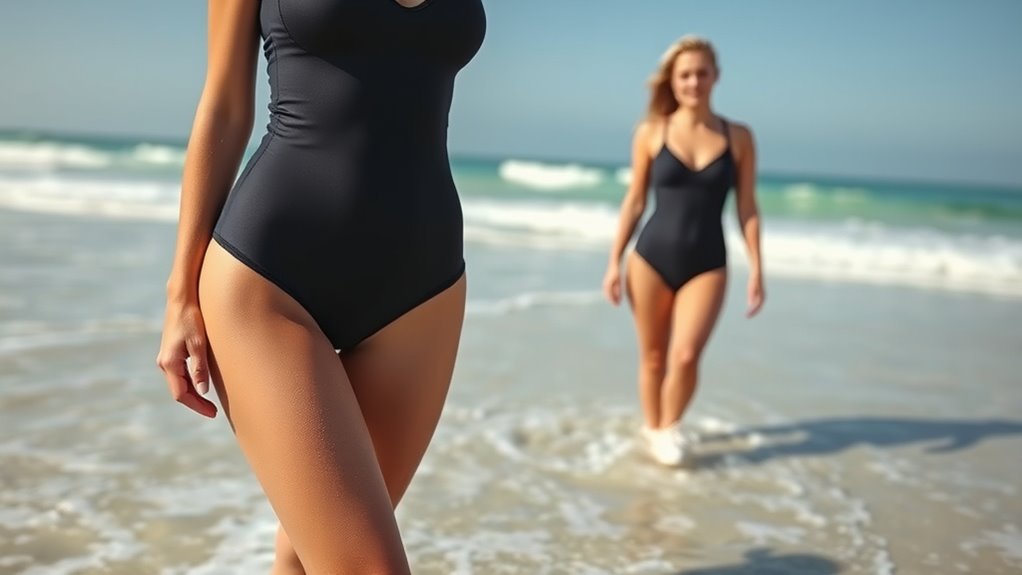
Although swimming with a pad might sound tricky, choosing the right waterproof swimwear makes it much easier. You want swimwear that fits snugly to prevent any shifting or discomfort.
Look for styles with a high waistband or extra lining to add security and support. Dark colors or patterns help conceal any possible leaks, giving you extra peace of mind.
Materials like nylon or spandex are great because they dry quickly and stay in place during movement. Avoid loose or baggy swim bottoms, as they can create gaps where water or the pad might shift.
Use a Swim-Specific Pad
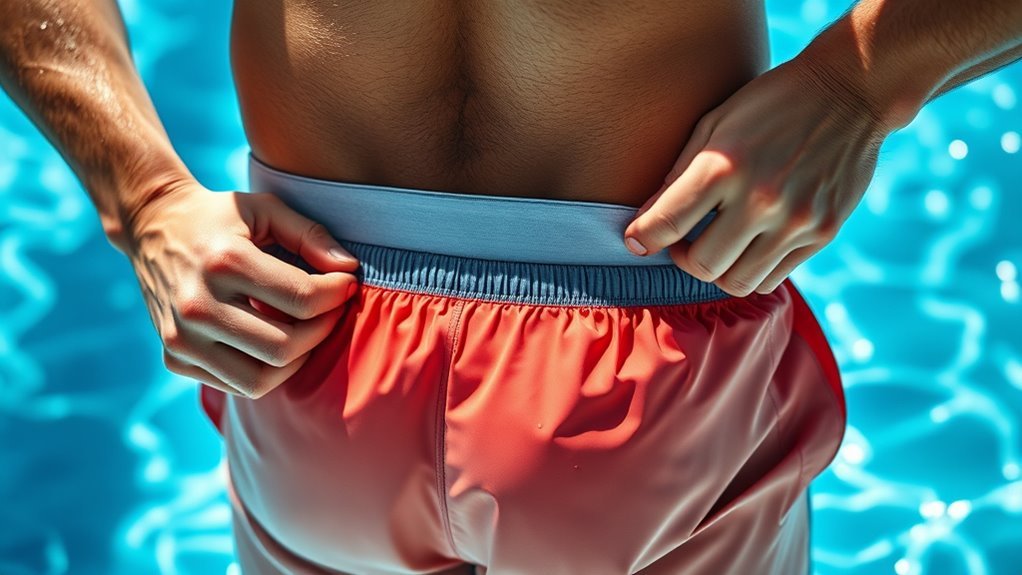
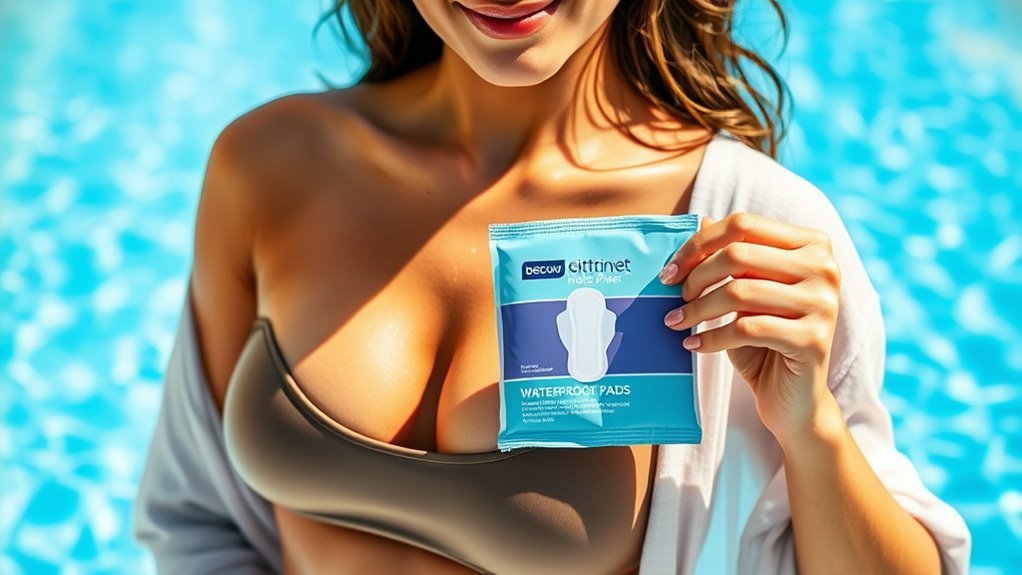
Choosing the right swimwear sets you up for success, but pairing it with a swim-specific pad takes your protection to the next level. These pads are designed to handle water exposure without losing absorbency or shifting out of place.
Unlike regular pads, they use materials that repel water and stay secure during movement, giving you confidence in the pool or ocean.
Look for these key features when selecting a swim-specific pad:
- Waterproof backing to prevent leaks in the water
- Quick-drying top layer that stays comfortable against your skin
- Strong adhesive that keeps the pad firmly in place even when wet
Using a swim-specific pad means you can focus on enjoying your swim without worrying about leaks or discomfort.
Change Your Pad Before and After Swimming
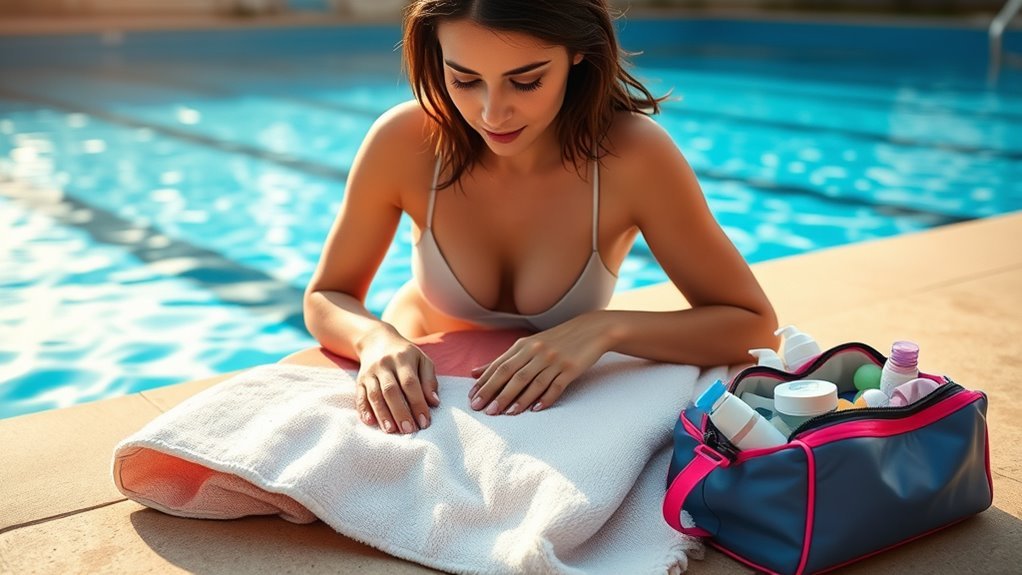
To stay comfortable and prevent leaks, you should always change your pad right before you swim and as soon as you get out of the water. Changing your pad beforehand guarantees it’s fresh and fully absorbent, reducing the risk of leaks while you swim.
After swimming, your pad may have absorbed water or become less effective, so swapping it out immediately helps maintain hygiene and comfort. Wet pads can cause irritation and increase the chance of infections, so don’t wait to change it once you’re dry.
By making this a habit, you’ll feel more confident and secure throughout your swim session.
Carry Extra Pads and Supplies
Changing your pad before and after swimming sets a strong foundation for comfort, but it’s just as important to carry extra pads and supplies with you. Having backups guarantees you’re prepared for any unexpected changes, keeping you confident and comfortable throughout your swim session.
Always bring extra pads and supplies to stay comfortable and confident during your swim.
Pack a small waterproof pouch or bag to keep everything dry and organized. Here are three essentials you should include:
- Fresh pads for quick changes
- Disposable bags for used pads
- Wet wipes for a quick clean-up
Practice Good Hygiene Before and After Swimming
Although swimming during your period can feel intimidating, practicing good hygiene before and after your swim helps keep you comfortable and reduces the risk of infection.
Before you get in the water, make sure to clean your genital area with mild soap and water. This removes bacteria and sweat, creating a fresh environment for your pad.
After swimming, change out of your wet swimwear promptly and replace your pad with a dry one to prevent irritation and bacterial growth.
Always wash your hands thoroughly before and after handling your pad or swimwear. If possible, use a clean towel to dry yourself gently.
Frequently Asked Questions
Can I Swim With a Regular Pad Instead of a Swim-Specific One?
You shouldn’t swim with a regular pad because it absorbs water, becomes heavy, and falls off easily.
Instead, use swim-specific pads or menstrual products designed for water—they stay in place and keep you comfortable while swimming.
Is It Safe to Swim During Heavy Menstrual Flow?
Yes, it’s generally safe to swim during heavy flow. Studies show 70% of women find swimming helps reduce cramps.
Just use appropriate protection like a tampon or menstrual cup to avoid leaks and stay comfortable in the water.
How Do Pads Stay in Place While Swimming?
Pads stay in place while swimming because their adhesive backing sticks firmly to your underwear, preventing movement.
Choose a pad designed for active use, and wear snug-fitting swimwear to help keep everything secure during your swim.
Can Swimming Reduce Menstrual Cramps?
Swimming can ease your cramps like a gentle tide washing away pain. The water’s buoyancy lightens your body, while movement boosts circulation and releases endorphins, helping you feel calmer and more comfortable during your period.
Are There Alternative Menstrual Products Better Than Pads for Swimming?
Yes, you’ll find tampons, menstrual cups, and period swimwear better for swimming than pads. They stay secure, prevent leaks, and keep you comfortable in water.
Pads can get heavy and ineffective when wet.
Conclusion
Swimming with a pad might feel like steering uncharted waters, but once you find your rhythm, it’s smooth sailing. Just like a seasoned sailor trusts their compass, you can trust these tips to keep you comfortable and confident.
Remember, 70% of women have swum during their period, proving it’s totally doable. So suit up, stay prepared, and enjoy the water without worries—because your period shouldn’t anchor your fun.
By following these helpful tips, you can confidently swim your period with a pad and make the most of your time in the water.