How You Can Swim Safely After Getting Your Ears Pierced
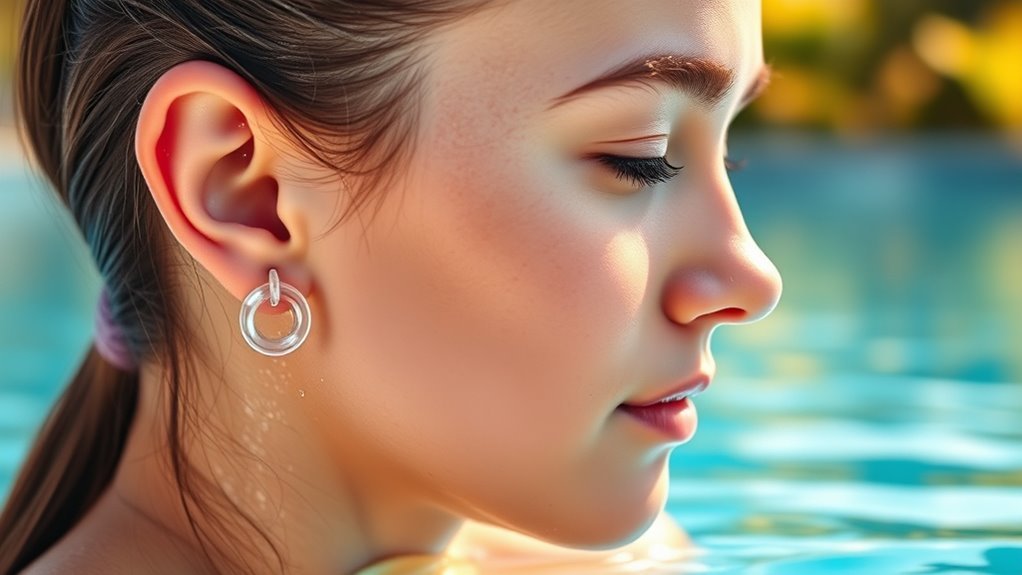
You can swim safely after getting your ears pierced by following proper ear piercing care guidelines. It is important to wait at least 6 to 8 weeks until your piercing is mostly healed before exposing it to water. Protecting your ears with waterproof covers or earplugs can help block water and bacteria from entering the piercing.
After swimming, gently clean your piercing with saline solution and dry it carefully to prevent irritation or infection. Always avoid swimming if you notice any redness, swelling, or pain around the piercing site. Proper care will help you avoid complications and promote faster healing.
If you want to learn more about how to care for your piercing properly and maintain ear hygiene, keep exploring the right steps and tips for safe swimming after ear piercing.
Understanding the Healing Process of Ear Piercings
Although healing times vary, your ear piercing generally takes about 6 to 8 weeks to heal. During this period, your body works to close the wound created by the piercing, forming new tissue around the earring.
You’ll notice some tenderness, redness, or swelling initially, but these symptoms should gradually fade. It’s essential to keep the area clean and avoid touching it with dirty hands to prevent infection.
You might also experience some crusting around the piercing, which is normal as your body expels lymph fluid.
Remember, healing times can differ based on your immune system and how well you care for the piercing.
Risks of Swimming With Fresh Ear Piercings
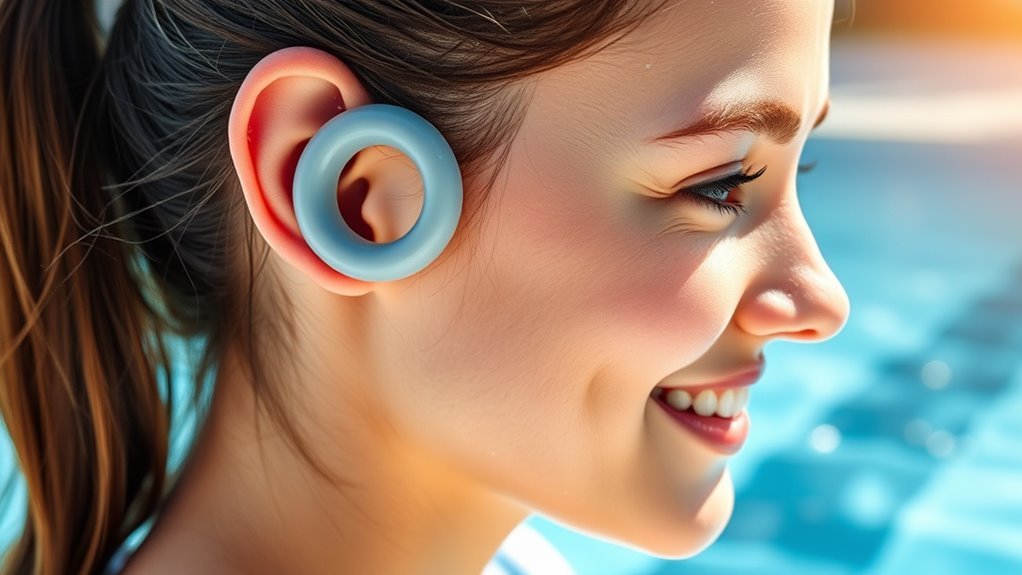
As your ear piercing heals, you need to be careful about exposing it to water, especially in swimming pools, lakes, or oceans. These environments contain bacteria and chemicals that can easily infect your fresh piercing.
When you swim with a new piercing, water can enter the wound, increasing the risk of irritation, swelling, and painful infections.
Chlorine in pools may also dry out the skin around your piercing, slowing healing and causing discomfort.
Additionally, saltwater and bacteria found in lakes or oceans can introduce harmful pathogens that may lead to serious complications.
If you ignore these risks, you might face prolonged healing times or need medical treatment.
Protecting your piercing during this vulnerable period is crucial to avoid these problems and ensure a smooth recovery.
Essential Precautions Before Swimming
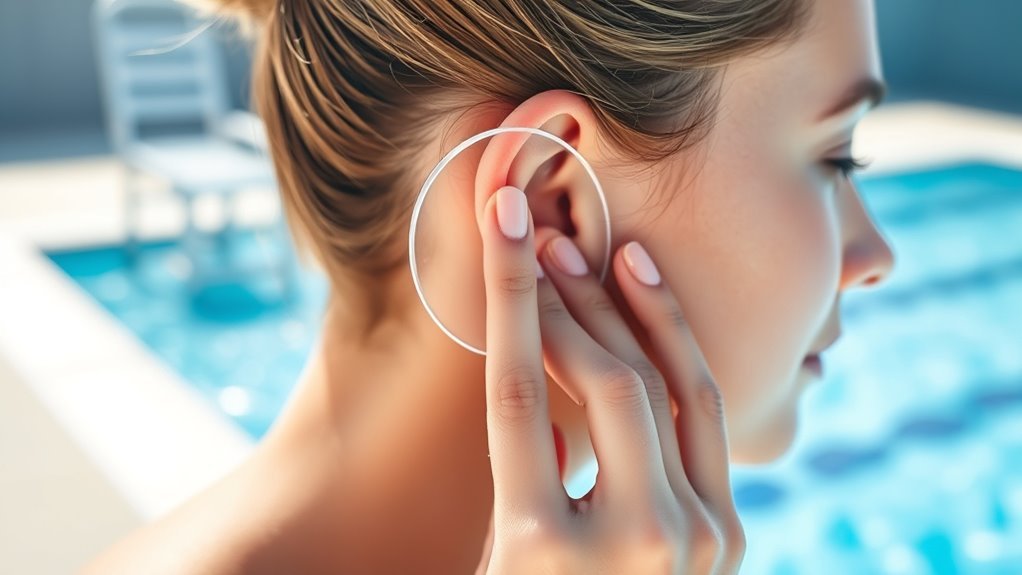
Before you plunge into the water, you should take specific steps to protect your fresh ear piercing from infection and irritation.
First, make sure the piercing is fully healed or at least past the initial healing phase, usually several weeks. If you’re unsure, consult your piercer or healthcare provider.
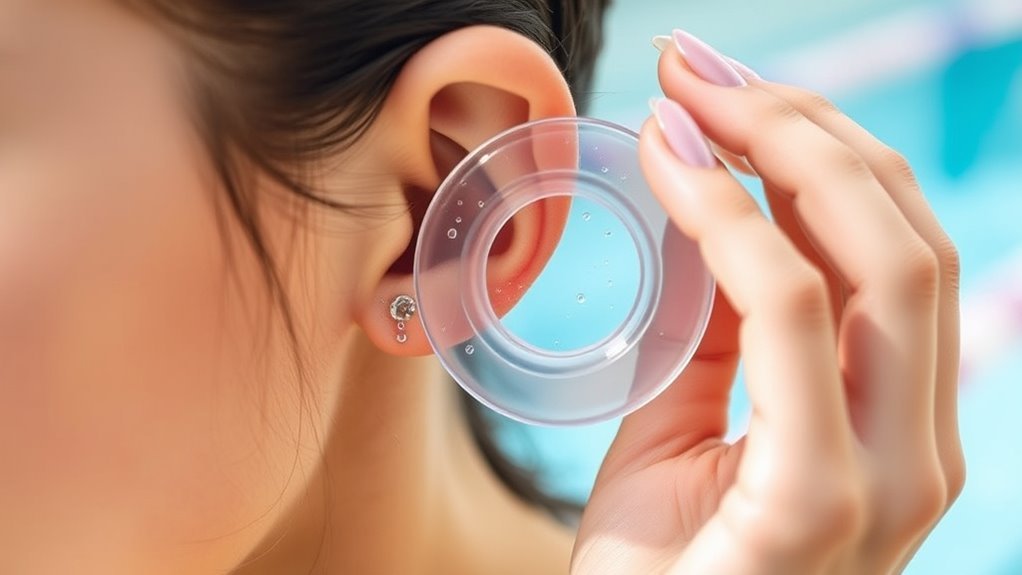
Always cover your piercing with a waterproof barrier, like a specialized ear bandage or waterproof earplugs, to prevent water and bacteria from entering.
Avoid swimming in pools, lakes, or oceans if there’s any redness, swelling, or discharge, as this indicates irritation or infection.
Also, rinse your ears with clean, fresh water immediately after swimming to wash away any chemicals or contaminants.
Taking these precautions helps ensure your piercing stays healthy and pain-free.
Best Practices for Aftercare Post-Swimming
Once you finish swimming, you should clean your piercing gently with a saline solution to remove any lingering bacteria or chemicals. Pat the area dry with a clean, soft towel. Avoid rubbing, which can irritate the piercing.
Remove any waterproof covers carefully if you used them, and inspect your ear for redness, swelling, or discharge.
Continue your regular cleaning routine twice daily to promote healing.
Avoid touching your piercing with unwashed hands to prevent infection. If you notice any discomfort or unusual symptoms, consider applying a warm compress and seek advice from a professional piercer or healthcare provider.
Staying consistent with aftercare helps your piercing heal quickly and reduces the risk of complications after swimming.
When to Avoid Swimming Completely
Although swimming can be safe with a fresh ear piercing if you take proper precautions, there are times when you should avoid it entirely. Swimming too soon after piercing or in contaminated water can cause infections and delay healing.
If you notice redness, swelling, or pain, skip swimming until your ear heals fully. Also, avoid swimming in lakes, oceans, or poorly maintained pools where bacteria thrive.
| Situation | Reason to Avoid Swimming | Recommended Action |
|---|---|---|
| Fresh piercing (<6 weeks) | Piercing not fully healed | Wait at least 6 weeks |
| Signs of infection | Risk of worsening infection | Consult a healthcare provider |
| Dirty or natural water | High bacteria levels | Avoid until healed |
| Ear pain or irritation | Possible trauma or infection | Rest and monitor symptoms |
Frequently Asked Questions
Can Swimming Affect the Type of Earrings I Should Wear?
Yes, swimming can affect the earrings you wear. You should choose studs or small hoops made of surgical steel or titanium to avoid irritation and infection.
Avoid heavy or porous earrings that trap water and bacteria.
How Soon After Piercing Can I Switch to Different Earrings?
Think of your new piercing like a delicate seedling—it needs about 6 to 8 weeks to grow strong.
You can switch earrings once your piercing is fully healed and shows no redness, swelling, or pain.
Are Saltwater Pools Safer Than Chlorinated Ones for Piercings?
Saltwater pools are gentler on piercings than chlorinated ones because they use fewer harsh chemicals, but they still contain some chlorine.
You should protect your new piercings regardless and avoid swimming until fully healed.
Can Swimming Speed up the Healing of Ear Piercings?
No, swimming won’t speed up your ear piercing healing. In fact, it can introduce bacteria and irritate the area, possibly causing infection or delay.
It’s best to avoid swimming until your piercing fully heals.
What Should I Do if My Earrings Get Stuck After Swimming?
About 30% of people experience stuck earrings after swimming. If yours get stuck, don’t panic—apply warm saline solution, gently wiggle the earring, and avoid pulling hard.
Seek professional help if it remains stuck or painful.
Conclusion
Now that you know how to care for your fresh ear piercings, swimming doesn’t have to be a risky adventure like a pirate’s treasure hunt. Just follow the precautions, keep your piercings clean, and avoid swimming in dirty or chlorinated water until fully healed.
Remember, your ears need time to heal properly, so don’t rush it. With the right care, you’ll be back to enjoying the water safely in no time!
By taking these steps, you can swim safely after getting your ears pierced and protect your new piercings from infection and irritation.