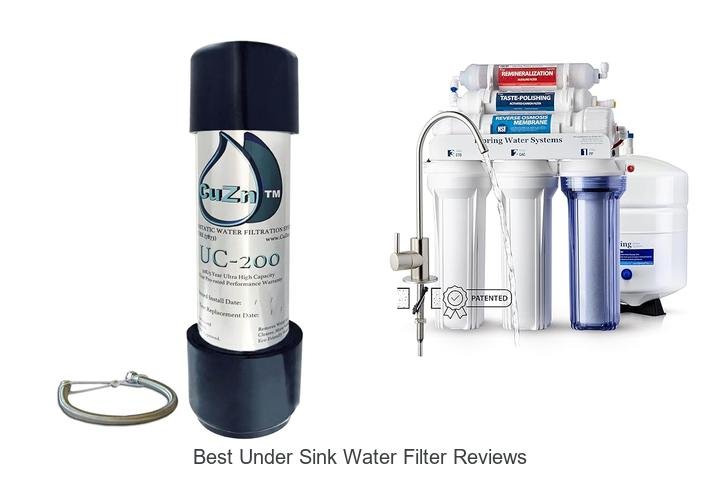
Best Water Filter For City And Well Water – Ultimate Choice!
Many people face challenges when it comes to accessing clean, safe drinking water from both city supplies and private wells. Contaminants like chlorine, sediment, and bacteria can affect water taste and quality, making everyday use less pleasant.
The best water filter for city and well water offers a reliable solution designed to handle a wide range of impurities. This type of water filter suits homeowners who want to improve their water’s safety and flavor regardless of their source. This review will cover how the water filter performs across different water types, its main features, and ease of maintenance.
By the end, you’ll have a clearer understanding of whether this product fits your household’s water needs.
Choosing the Perfect Solution for Pure and Refreshing Water at Home
| Image | Product | Price |
|---|
Choosing the Best Water Filter for Both City and Well Water: A Complete Guide
Certifications and compliance
When choosing a water filter suitable for both city and well water, paying attention to certifications from reputable organizations such as those meeting NSF and ANSI standards can give you confidence in the product’s ability to reduce contaminants effectively. Understanding your local water quality plays a significant role in selecting the right system since municipal water often contains different impurities compared to well water, which may carry sediments or specific minerals.
Additionally, considering the warranty provided and the accessibility of customer support is wise, as reliable assistance can be invaluable if you encounter issues or need replacement parts. This combination of certified performance, alignment with local water conditions, and dependable service makes the overall experience smoother and more trustworthy when investing in a water filtration solution.
Key filtration features to consider
Choosing a water filter that works well with both city and well water involves understanding how effectively it removes various contaminants such as chlorine, sediments, heavy metals, bacteria, and viruses. Filters featuring multiple stages enhance purification by gradually targeting different impurities, sometimes beginning with sediment filtration followed by activated carbon for chemical absorption, and finishing with finer membranes for microbial removal.
The number and type of these filtration stages play a significant role in the overall water quality you receive. Another aspect to keep in mind is the flow rate, as some filters can significantly slow down water pressure, which might be inconvenient for daily use. Opting for a system that maintains a steady flow without sacrificing filtration efficiency strikes a good balance between convenience and safety.
Evaluating these factors ensures a water filter complements your household’s specific water source, providing clean, healthy water without unexpected drop-offs in pressure or performance.
Installation and maintenance requirements
Choosing a water filtration system involves thinking about how it will be set up and cared for over time. Some models really benefit from professional installation, especially those that require plumbing adjustments or integration with existing water lines, which can guarantee optimal performance and safety. On the other hand, several units are designed for DIY installation with straightforward instructions, making it possible to get them up and running without the need for specialized tools or expertise.
On the other hand, several units are designed for DIY installation with straightforward instructions, making it possible to get them up and running without the need for specialized tools or expertise. When it comes to the filter’s lifespan, understanding how often the cartridge or membrane needs replacing is key to budgeting and maintaining clean water. Filters with longer lifespans reduce the hassle of frequent replacements, but it’s important to monitor water quality indicators to know when a change is due.
Cleaning and upkeep also play a part in selecting the right system; some require regular rinsing or backwashing to maintain efficiency, while others are mostly maintenance-free aside from periodic filter swaps. Considering these aspects helps to pick a solution that matches one’s tolerance for hands-on care and technical skills while keeping water pure and refreshing.
Understanding your water source
Choosing the right water filter involves understanding the distinct characteristics of city water compared to well water, as each source presents unique challenges. City water is typically treated by municipal systems, which reduce many contaminants but can still contain chlorine, chloramine, fluoride, and trace amounts of heavy metals or pesticides. Well water, on the other hand, may contain natural minerals, sediment, bacteria, and occasionally harmful substances like arsenic or nitrates, depending on the geographic location.
Well water, on the other hand, may contain natural minerals, sediment, bacteria, and occasionally harmful substances like arsenic or nitrates, depending on the geographic location. Because of these differences, a versatile water filter should effectively address a broad range of impurities such as chemical disinfectants found in city water and microbial contaminants common in well water supplies. An experienced user knows the value of filters that combine sediment removal with activated carbon or reverse osmosis capabilities, allowing for cleaner and safer drinking water regardless of the source.
When shopping for a water filter, it helps to review water quality reports for your area and consider filters certified by recognized organizations for contaminant reduction. Paying attention to filter lifespan and maintenance ease also enhances the filtering experience, making it straightforward to enjoy fresh-tasting water daily. This approach ensures peace of mind as the same device can handle varying water quality concerns without frequent replacements or complicated setups.
This approach ensures peace of mind as the same device can handle varying water quality concerns without frequent replacements or complicated setups.
Types of water filters suitable for city and well water
When selecting a water filter for both city and well water, understanding the different types available can greatly enhance your experience and satisfaction with the product. Activated carbon filters are excellent at removing chlorine, unpleasant tastes, and odors, making tap water more enjoyable while addressing many common contaminants often found in city supplies.
Ultraviolet purification systems provide an effective method for disinfecting water by eliminating bacteria and viruses without adding chemicals, ideal for safeguarding well water that could be exposed to natural pathogens. Sediment filters play a vital role in trapping particles like sand and rust, which can be more prevalent in well water, protecting both your plumbing and more delicate filtration components.
When shopping, consider the specific water quality of your source such as the presence of minerals, organic compounds, or microorganisms, and choose a system that combines these technologies if necessary for comprehensive purification. A good practice is to test your water first so you know which contaminants need addressing and then select a filter that matches those needs while fitting your budget and maintenance preferences.
Budget and longterm costs
When choosing a water filter that caters to both city and well water, being aware of the initial purchase price is just the beginning of understanding overall costs. Some models may seem affordable at first glance but require frequent filter replacements that can add up quickly over time.
Energy consumption varies among filters; certain systems rely on electricity to operate pumps or UV sterilizers, which can raise monthly utility bills compared to non-powered alternatives. Balancing upfront investment with these ongoing expenses will help in selecting a system that fits personal preferences and long-term financial plans efficiently.
FAQ’s
Which Types Of Water Filters Are Most Effective In Removing Contaminants Commonly Found In City Water?
Activated carbon filters and reverse osmosis systems are most effective in removing common city water contaminants such as chlorine, lead, and pesticides. Additionally, ultraviolet (UV) filters can be used to eliminate bacteria and viruses, ensuring safer drinking water.
What Contaminants Should A Water Filter Target When Used For Well Water?
A water filter used for well water should target contaminants such as bacteria, viruses, nitrates, heavy metals (like lead and arsenic), and sediments. It is also important to address potential chemical pollutants and hardness minerals to ensure safe and clean drinking water.
What Factors Should Be Considered When Choosing The Best Water Filter For A Home With Both City And Well Water Sources?
When choosing the best water filter for a home with both city and well water sources, consider factors such as the specific contaminants present in each water source, filtration technology effectiveness, and certification standards. Additionally, assess the filter’s capacity, maintenance requirements, and compatibility with existing plumbing to ensure optimal performance.
What Are The Key Differences Between Water Filters Designed For City Water And Those For Well Water?
Water filters for city water primarily focus on removing chlorine, chloramine, and chemical contaminants, while well water filters target sediments, iron, sulfur, and bacterial contaminants. Additionally, well water filters often include UV purification or stronger filtration systems to address potential pathogens commonly found in untreated groundwater.
How Do Multi-Stage Water Filtration Systems Work For Both City And Well Water?
Multi-stage water filtration systems work by passing water through a series of filters that remove different contaminants, such as sediments, chlorine, bacteria, and heavy metals, tailored to the specific water source. For city water, they typically focus on removing chlorine and chemicals, while for well water, they target sediments, iron, and microbial contaminants to ensure safe, clean drinking water.
Conclusion
Choosing the right filtration system that handles both city and well water effectively can be challenging. The best water filter for city and well water offers balanced performance by addressing a wide range of contaminants such as chlorine, sediments, and potential bacteria. While some filters excel at removing chemicals common in municipal water, others are better suited for well water’s unique impurities, including iron and sulfur.
It’s important to select a model that matches your specific water quality needs and maintenance preferences. Users looking for reliable purification without frequent replacements will find this type of filter particularly beneficial.
This solution delivers cleaner, safer water for everyday use, making it a practical choice for households relying on mixed water sources, without compromising on convenience or effectiveness.