Best Water Filter For City Water That Will Shock You
Many people rely on municipal water, but city water can sometimes contain contaminants like chlorine, sediments, and other impurities that affect taste and safety. Finding the best water filter for city water can help improve the quality of your drinking water without the need for expensive bottled options.
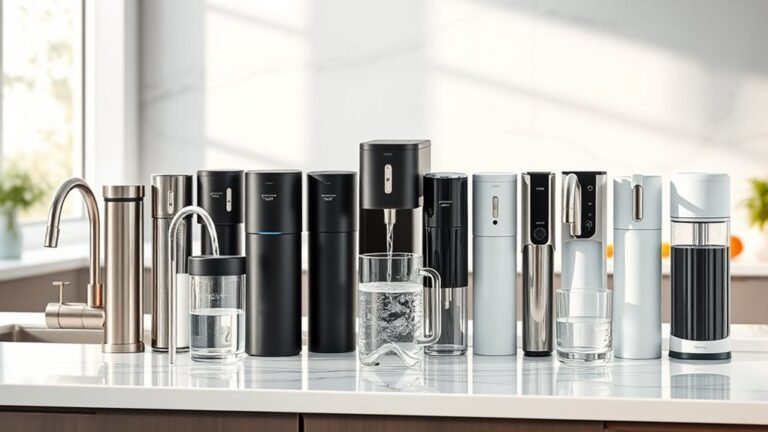
This type of water filter is designed for urban households seeking cleaner, better-tasting water straight from the tap. It often targets common city water concerns such as chemical odors and minor pollutants while maintaining convenience and affordability. In this review, we will explore key features, performance, and ease of use of several popular water filters suited for city water.
By the end, you’ll have a clearer idea of which solution fits your needs and can provide safer water for everyday use.
Discover Top Solutions to Transform Your Tap Water into Pure Refreshment
| Image | Product | Price |
|---|
Choose the Best Water Filter for City Water: A Complete Guide to Cleaner, Safer Drinking Water
Water quality and contaminants
City water generally comes from sources like rivers, lakes, or reservoirs and undergoes treatment to meet safety standards before reaching your tap. However, the composition can vary significantly depending on location, often containing chlorine or chloramine used for disinfection, along with traces of metals such as lead or copper from aging pipes. Common impurities might include sediments, microorganisms, pesticides, and sometimes pharmaceutical residues, which can affect both taste and safety.
Common impurities might include sediments, microorganisms, pesticides, and sometimes pharmaceutical residues, which can affect both taste and safety. One useful step is to review your local water quality reports provided by municipal authorities, as they detail specific contaminants and their concentration levels in your area. Understanding these reports helps in choosing a filter designed to target unwanted substances effectively, whether that means reducing chlorine odor, eliminating heavy metals, or minimizing microbial presence.
Taking the time to gather this information will equip you well when selecting a filtration system that suits your household’s needs and ensures your drinking water is clean and pleasant.
Installation and maintenance
When selecting a water filter for city water, paying attention to how easy it is to install can save a lot of time and hassle. Many filters come with clear instructions and standard fittings that match typical household plumbing, which means installation can often be completed without professional help. Compact designs help when space is limited under sinks or near water sources, allowing the unit to fit neatly without crowding the area.
Regarding maintenance, filters usually require regular cartridge replacements depending on usage and water quality, with some models featuring indicator lights to signal when service is needed. Choosing a filter designed for straightforward upkeep means you won’t have to frequently dismantle parts or use special tools, making the process more manageable for anyone.
Considering the size and appearance of the filter also matters, especially in kitchens where aesthetics and convenience go hand in hand. Overall, balancing ease of installation, manageable maintenance, and a design that suits your available space will lead to a satisfying and efficient water filtration experience.
Filter capacity and lifespan
When choosing a water filter for city water, understanding flow rate and daily filtration volume can make a significant difference in meeting your household’s needs without unnecessary wait times. Filters that offer higher flow rates will serve larger families more comfortably by producing clean water rapidly throughout the day.
Typically, replacement intervals vary from a few months to a year depending on usage and water quality, so selecting a model with easy-to-find and affordable cartridges helps maintain smooth operation without hidden expenses. Speaking of expenses, considering the cost of replacement cartridges alongside the initial investment keeps the overall cost manageable over time and prevents surprises.
Having used various models myself, I find balancing these factors leads to a satisfying experience where clean, fresh water is always available without frequent maintenance hassles or high ongoing costs.
Filter certifications and standards
When selecting a water filter for city water, paying attention to the certifications and standards it meets can provide reassurance about safety and performance. Filters that carry NSF and ANSI certifications have undergone rigorous third-party testing to verify their ability to remove contaminants as claimed, which adds a layer of trustworthiness beyond manufacturer promises. These certifications also indicate compliance with recognized industry protocols, helping to confirm that the filter performs within specific parameters.
Since water quality regulations can vary by locality, choosing a product that adheres to local guidelines is beneficial, ensuring the filtration system is suitable for the water conditions in your area. This approach to evaluating a water filter based on accredited testing and regulatory compliance can make a significant difference in maintaining clean and safe drinking water straight from the tap.
Types of water filters
When choosing a water filter for use with municipal supplies, understanding the main types available helps greatly in making the right decision for your home. Activated carbon filters excel at improving taste and odor by trapping chlorine and organic compounds, making water more pleasant to drink. On the other hand, reverse osmosis systems utilize a semipermeable membrane to remove a wide range of contaminants including heavy metals, pesticides, and dissolved solids, providing a thorough purification process though they tend to waste some water and may require professional installation.
On the other hand, reverse osmosis systems utilize a semipermeable membrane to remove a wide range of contaminants including heavy metals, pesticides, and dissolved solids, providing a thorough purification process though they tend to waste some water and may require professional installation. Ultraviolet purifiers operate by emitting UV light to neutralize bacteria and viruses, offering an excellent solution where microbial contamination is a concern without altering the water’s mineral content. Each technology serves different needs: carbon filters are ideal for improving flavor and removing chemical residues, reverse osmosis units are suited for households requiring extensive contaminant removal, and UV purifiers are perfect for enhancing microbiological safety.
When selecting a unit, consider factors such as maintenance frequency, installation requirements, filter lifespan, and the specific impurities present in your water supply. It’s beneficial to review water quality reports for your area or have water testing done to select a system that addresses the particular contaminants commonly found in city water. Ease of use, cost of replacement filters, and the overall capacity to serve your household size also influence long-term satisfaction.
With these points in mind, the right choice can make a significant difference in the quality and safety of the water you and your family consume daily.
Budget and longterm value
Choosing a water filter suitable for city water involves balancing the initial purchase price against ongoing costs like replacement filters and maintenance. Some models might be more affordable upfront but require frequent cartridge changes that add up over time, while others may have a higher initial cost but offer longer-lasting filters that reduce long-term expense.
Warranty coverage and responsive customer support are valuable when dealing with filtration systems, providing peace of mind and assistance if issues arise. Energy efficiency is also a factor to keep in mind, especially for filters with electronic components or pumps; opting for units that consume less power not only lessens environmental impact but can also lower utility bills. Considering these aspects together often leads to a setup that offers reliable performance without unexpected expenditures, making daily access to clean city water both convenient and sustainable.
FAQ’s
What Are The Most Effective Types Of Water Filters For City Water?
The most effective types of water filters for city water are activated carbon filters and reverse osmosis systems, as they remove contaminants like chlorine, sediments, and heavy metals. Additionally, UV filters can be used to disinfect and eliminate bacteria and viruses for enhanced safety.
How Often Do Water Filters Need To Be Replaced When Used With City Water?
Water filters used with city water typically need to be replaced every 3 to 6 months, depending on the filter type and usage. It’s important to follow the manufacturer’s guidelines to ensure optimal water quality and filter performance.
How Do I Choose The Best Water Filter For Removing Chlorine And Contaminants From City Water?
To choose the best water filter for removing chlorine and contaminants from city water, look for filters certified to NSF/ANSI standards 42 and 53, which specifically target chlorine, taste, odor, and harmful contaminants. Additionally, consider filtration types like activated carbon or reverse osmosis based on your water quality and budget.
What Certifications Should I Look For When Buying A Water Filter For City Water?
When buying a water filter for city water, look for certifications from NSF International, such as NSF/ANSI Standard 42 for taste and odor removal and NSF/ANSI Standard 53 for contaminant reduction. These certifications ensure the filter has been tested and verified for safety and effectiveness.
Are Countertop Or Under-Sink Water Filters Better For City Water Purification?
Countertop water filters are generally easier to install and maintain, making them a convenient choice for city water purification. However, under-sink filters often provide more comprehensive filtration and save counter space, offering better long-term performance for improving city tap water quality.
Conclusion
Choosing the best water filter for city water depends on your specific needs, such as the level of contamination and budget. While some filters offer effective removal of chlorine, sediments, and certain chemicals, others may provide additional benefits like improved taste and ease of installation. Keep in mind that maintenance requirements and filter lifespan vary across models, which can impact long-term costs.
Keep in mind that maintenance requirements and filter lifespan vary across models, which can impact long-term costs. This type of water filter is particularly well suited for urban households seeking cleaner, safer drinking water without complicated setups. For those concerned about contaminants commonly found in municipal supplies, investing in a reliable filtration system can bring peace of mind.
Ultimately, evaluating your water quality and daily usage will help determine the right choice among options marketed as the best water filter for city water.