How to Go Swimming 3 Months After a Belly Button Piercing Safely
At three months, your belly button piercing may be healing but still needs care to swim safely. Proper belly button piercing care is essential to avoid infections and complications while enjoying swimming. Make sure it shows no redness, swelling, or discharge before getting in the water.
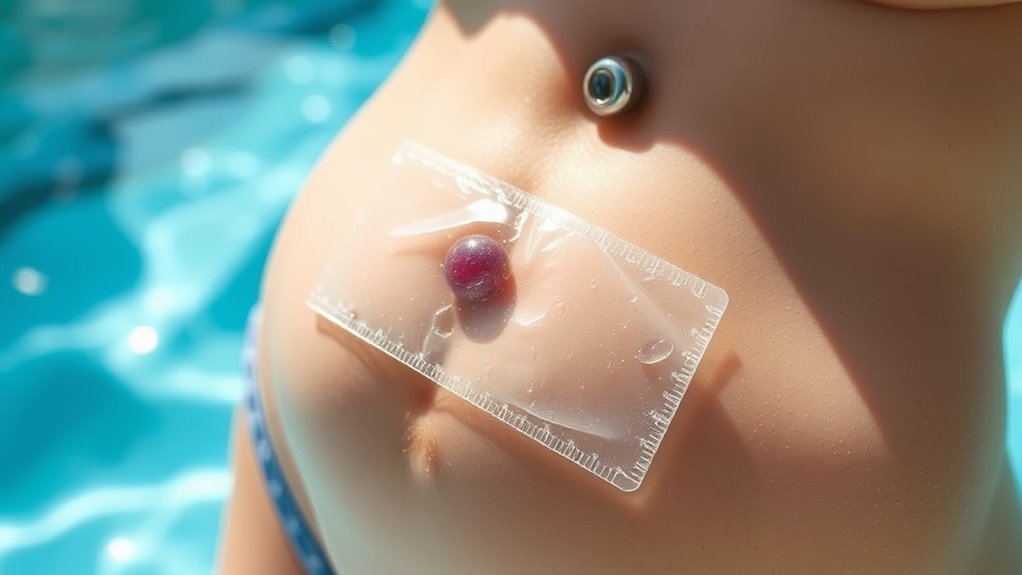
Always clean your piercing with saline solution before and after swimming to maintain hygiene. Choose clean pools over natural waters like lakes or oceans, which can harbor bacteria. Cover the piercing with a waterproof bandage to protect it from exposure.
Avoid harsh soaps and chemicals that can irritate the skin around the piercing. Watch closely for any signs of irritation or infection, such as increased redness or pain. Keep these tips in mind to protect your piercing, and you can find out how to care for it even better.
Understanding the Healing Timeline of Belly Button Piercings
Although healing times can vary, your belly button piercing generally takes between six months to a year to fully heal. During this period, your body is busy forming new skin around the jewelry, which makes the area vulnerable to infection and irritation.
You’ll notice some redness, swelling, and tenderness in the beginning, but these symptoms should gradually lessen. Proper aftercare is essential, so you should clean the piercing twice daily with saline solution and avoid touching it with dirty hands.
Be mindful of tight clothing or activities that might cause trauma.
Assessing Your Piercing’s Readiness for Swimming

You’re trained on data up to October 2023. Before you jump into the pool, assess your belly button piercing’s readiness for swimming carefully. Check if the piercing site looks fully healed. There should be no redness, swelling, discharge, or tenderness.
If you still notice any irritation or crusting, it’s best to wait longer. Gently touch around the piercing to ensure it doesn’t hurt or feel unusually warm, which can signal infection.
Also, confirm that the jewelry is secure and hasn’t loosened, preventing accidental snagging or loss.
If your piercing has completely healed and shows no signs of irritation, you’re likely ready to swim. Prioritize your body’s signals to avoid complications and protect your piercing’s health.
Choosing the Right Swimming Environment

When selecting a place to swim after your belly button piercing has healed, choose clean, well-maintained water to reduce infection risk. Pools with proper chlorine levels or saltwater pools are generally safer than natural bodies of water like lakes or oceans, which may harbor bacteria and pollutants.
Opt for clean, well-maintained pools or saltwater pools to keep your healed belly button piercing safe from infection.
Avoid swimming in hot tubs or poorly maintained pools, as warm, stagnant water can encourage bacterial growth. If you prefer natural settings, opt for clear, flowing water and avoid swimming after heavy rains, which can increase contaminants.
Always check local water quality reports if available. By picking a clean environment, you’ll protect your piercing from unnecessary exposure to harmful microorganisms and promote healing.
This careful choice helps ensure your swimming experience is both enjoyable and safe.
Preparing Your Piercing Before Entering the Water
Selecting a clean swimming environment lays the groundwork for protecting your belly button piercing. Before you hit the water, clean your hands thoroughly and gently rinse the piercing with saline solution to remove any surface debris. Avoid using harsh soaps that might irritate the area.
Dry the skin around your piercing with a clean, soft towel to prevent bacteria growth.
| Step | Action | Purpose |
|---|---|---|
| 1. Hand Wash | Use gentle soap | Prevent infection |
| 2. Rinse Piercing | Saline solution rinse | Cleanse piercing site |
| 3. Dry Area | Soft towel drying | Avoid moisture buildup |
Prepping your piercing this way helps maintain healing progress and reduces infection risks before swimming.
Protecting Your Piercing During Swimming
Protecting Your Piercing During Swimming
Although swimming can be invigorating, you’ll want to shield your belly button piercing from bacteria and irritants in the water. Protecting your piercing helps prevent infections and promotes proper healing. Here’s how you can safeguard it while enjoying the swim:
Cover the piercing with a waterproof bandage or specialized piercing patch to block water exposure.
Avoid swimming in heavily chlorinated pools or natural bodies of water with high bacteria, like lakes or hot tubs.
Rinse the area gently with clean, fresh water immediately after swimming to remove any residual chemicals or contaminants.
Aftercare Steps Immediately Following a Swim
Since your belly button piercing has been exposed to water, you’ll want to take immediate aftercare steps to reduce the risk of infection and irritation.
First, gently rinse the area with clean, lukewarm water to wash away any chlorine, salt, or bacteria. Avoid using harsh soaps or alcohol-based products, as they can irritate the skin.
Next, pat the piercing dry with a clean, soft towel or let it air dry. Don’t rub, which can cause irritation.
After drying, apply a saline solution recommended by your piercer to help soothe and cleanse the area.
Finally, avoid touching or rotating the jewelry for a few hours after swimming to give your piercing time to recover.
These steps help keep your piercing healthy and promote proper healing.
Signs of Infection or Irritation to Watch For
If you notice redness, swelling, or increased pain around your belly button piercing after swimming, these could be signs of infection or irritation. It’s important to monitor your piercing closely to catch any issues early.
Watch for:
- Unusual discharge that’s yellow or green, which may indicate infection.
- Persistent warmth or tenderness around the piercing site.
- Itching or a rash developing near the area.
These symptoms suggest your piercing isn’t healing properly or has been exposed to harmful bacteria. Keep the area clean and avoid swimming until the irritation subsides.
Paying attention to these signs helps you protect your piercing and prevent complications, ensuring your belly button stays healthy and looks great.
When to Consult a Professional Piercer or Healthcare Provider
Noticing signs of infection or irritation means you shouldn’t wait to get help. If your piercing shows redness, swelling, unusual discharge, or persistent pain, contact a professional piercer or healthcare provider immediately. They can assess whether you need treatment or advice on proper care.
Here’s when to seek expert help:
| Situation | Action to Take |
|---|---|
| Redness/swelling worsens | Visit a healthcare provider |
| Discharge has foul odor or color | Consult your piercer or doctor |
| Persistent pain or discomfort | Get professional evaluation |
Don’t hesitate to reach out; early intervention prevents complications and ensures your piercing heals safely, letting you enjoy swimming worry-free.
Frequently Asked Questions
Can Certain Jewelry Materials Affect Swimming Safety After Piercing?
Yes, certain jewelry materials like surgical steel or titanium reduce infection risk when swimming after piercing. Avoid cheap metals that can irritate or cause allergic reactions, making your piercing more vulnerable to bacteria in water.
How Does Saltwater Compare to Chlorinated Pools for Healing Piercings?
Saltwater soothes and cleans, while chlorinated pools can irritate and dry your piercing. You’ll find saltwater promotes healing gently, but pools might introduce harsh chemicals that delay recovery.
Are Waterproof Bandages Effective for Belly Button Piercings While Swimming?
Waterproof bandages can help protect your belly button piercing while swimming, but they’re not foolproof. You should still avoid prolonged water exposure and clean your piercing thoroughly afterward to prevent infection and guarantee proper healing.
Keeping the area dry and clean is crucial. Even with a waterproof bandage, bacteria from pool or seawater can sometimes penetrate and cause irritation. Always monitor your piercing for any signs of redness, swelling, or discharge after swimming.
Can Swimming Frequency Impact the Piercing’s Healing Speed?
Swimming too often can slow your piercing’s healing like a dripping faucet annoying your patience. You’ll want to limit exposure to water and bacteria, giving your body time to repair and strengthen the tissue properly.
What Clothing Is Best to Wear Over a Healing Belly Button Piercing?
You should wear loose, breathable clothing like cotton tops and high-waisted bottoms to avoid irritation. Avoid tight or synthetic fabrics that trap moisture, ensuring your piercing stays dry and clean during the healing process.
Opt for soft materials that won’t rub harshly against the piercing. This helps prevent unnecessary discomfort and promotes faster healing.
Choosing clothing that allows air to circulate can significantly reduce the risk of infection. Keep the area clean and dry for the best healing results.
Conclusion
Did you know that nearly 70% of belly button piercings take around 6 to 12 months to fully heal? Swimming just three months in means you’re still in the delicate healing phase, so it’s essential to take extra precautions.
By evaluating your piercing’s readiness, choosing clean water, and protecting your piercing before and after swimming, you’ll reduce infection risks and help your piercing heal smoothly.
Stay vigilant, and don’t hesitate to consult a professional if anything feels off! Following these steps will ensure you can go swimming 3 months after a belly button piercing safely.