How You Should Go Swimming After Getting Your Ears Pierced Safely
You should wait at least 6 to 8 weeks after getting your ears pierced before swimming to avoid infections and irritation from bacteria, chlorine, or saltwater. Proper ear piercing aftercare is essential to keep your new piercings safe and healthy.
When you do swim, protect your piercings with waterproof covers or swim caps and rinse gently with saline afterward. Avoid harsh soaps and drying the area roughly. Taking these steps helps your ears heal properly and stay infection-free.
Keep going to discover how to care for your piercings and spot any trouble early.
Understanding the Healing Process of Ear Piercings
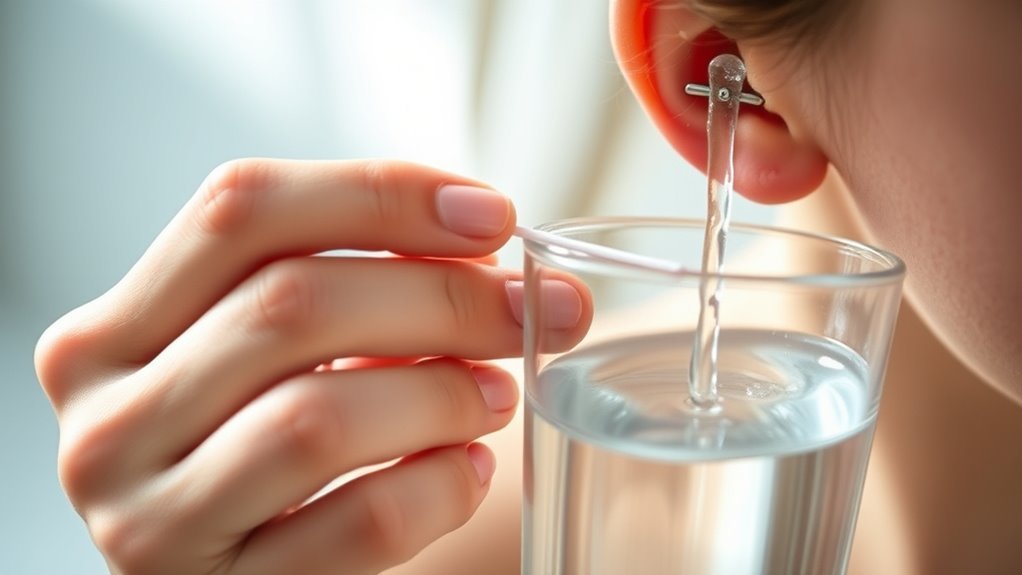
Although you might be enthusiastic to swim soon after getting your ears pierced, it’s important to understand how the healing process works. When you get your ears pierced, your body treats it like a small wound that needs time to heal.
The outer layer of skin around the piercing must close properly to prevent infection and irritation. Typically, earlobe piercings take about 6 to 8 weeks to heal, while cartilage piercings can take several months.
During this period, your immune system is busy repairing tissue and forming a protective barrier. You should clean your piercings regularly and avoid unnecessary touching.
Knowing this helps you appreciate why diving into a pool or ocean too soon can disrupt healing and delay recovery, so patience is key.
Risks of Swimming With Fresh Ear Piercings

Understanding how your body heals after an ear piercing highlights why swimming too soon can be risky. When your piercing is fresh, the wound is open and vulnerable, making it easier for bacteria and irritants in pool or ocean water to cause infections.
You might experience painful swelling, redness, or even discharge that could delay healing. Saltwater and chlorine can irritate the sensitive tissue, causing discomfort and increasing the chance of complications.
Be aware of these risks when considering swimming with fresh piercings:
- Persistent pain and throbbing
- Risk of bacterial or fungal infections
- Delayed healing and prolonged discomfort
- Increased chance of scarring or keloids
- Potential need to remove jewelry prematurely
Protect your ears to avoid needless pain and setbacks.
Recommended Waiting Period Before Swimming
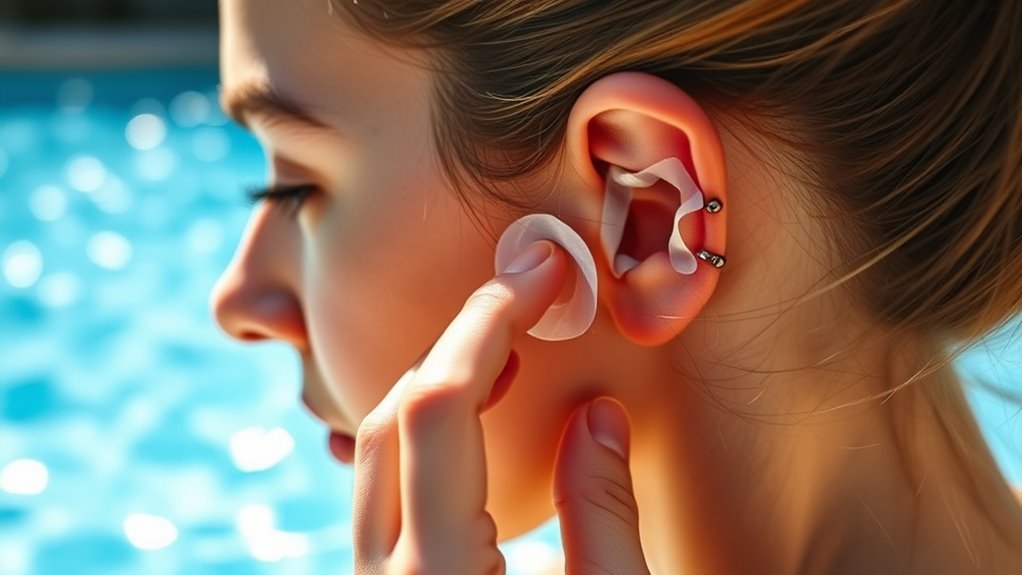
Since your new piercing needs time to heal, you should wait at least 6 to 8 weeks before swimming in pools, lakes, or the ocean. This waiting period allows your skin to close up enough to prevent infections caused by bacteria and irritants commonly found in water.
Wait 6 to 8 weeks after getting pierced before swimming to avoid infections and ensure proper healing.
Jumping into water too soon can delay healing and lead to painful complications. Keep in mind that everyone’s healing time varies, so listen to your body and watch for any signs of irritation or discomfort.
If your piercing still feels tender or looks inflamed after this timeframe, give it more time before swimming. Prioritizing this healing period reduces the risk of infections and promotes a smoother recovery.
Patience now means you’ll enjoy swimming safely later on.
How to Protect Piercings When Swimming
When you’re ready to swim with a new ear piercing, taking steps to protect it can prevent infections and irritation. You want to enjoy the water without risking your healing process. Here’s how you can shield your piercing effectively:
Use waterproof ear covers or silicone protectors to block water. Apply a thin layer of waterproof ointment around the piercing. Avoid diving or submerging your head fully to limit water exposure.
Wear a snug-fitting swim cap to keep your ears dry. Rinse your ear gently with clean water immediately after swimming to remove chlorine or salt.
Best Practices for Cleaning Piercings After Swimming
Although swimming can be invigorating, exposing your new ear piercing to water means you need to clean it carefully afterward to prevent infection. Rinse your piercing with saline solution to remove any chlorine, salt, or bacteria.
Avoid using harsh soaps or alcohol, which can irritate your skin. Pat dry gently with a clean towel or let it air dry. Follow this routine every time you swim.
| Step | Action | Reason |
|---|---|---|
| 1 | Rinse with saline | Removes contaminants |
| 2 | Avoid harsh chemicals | Prevents irritation |
| 3 | Dry gently | Minimizes moisture retention |
| 4 | Repeat after each swim | Ensures ongoing cleanliness |
Choosing the Right Jewelry for Swimming
Because not all jewelry materials react well to water, you need to choose pieces that can withstand exposure without causing irritation or damage to your piercing. Opt for hypoallergenic metals like surgical stainless steel, titanium, or solid gold to avoid allergic reactions and corrosion.
Avoid costume jewelry or anything plated, as these can degrade and irritate your skin when wet. Lightweight, simple designs reduce the risk of snagging during swimming.
When picking jewelry for swimming, remember:
- Choose corrosion-resistant metals to keep your piercing safe
- Avoid intricate designs that might trap water or bacteria
- Opt for smooth surfaces to prevent irritation
- Select secure fastenings to avoid losing your jewelry
- Prioritize comfort so you can swim worry-free
With the right jewelry, you protect your healing piercing effortlessly.
Signs of Infection to Watch For
If your ear piercing starts showing redness, swelling, or unusual pain, you might be dealing with an infection. You should also watch for warmth around the piercing, pus or cloudy discharge, and a foul smell. These signs suggest your body is reacting to bacteria or irritants.
You may notice the area becoming increasingly tender or developing a fever. Avoid touching or twisting the jewelry excessively, as this can worsen the irritation. Keep your piercing clean and dry, and monitor these symptoms closely.
While mild redness and tenderness are normal right after piercing, persistent or worsening signs indicate a problem. Catching infection early helps prevent complications and speeds healing, so stay vigilant about how your piercing looks and feels.
When to Seek Professional Advice
When you notice persistent redness, swelling, or pain that doesn’t improve within a few days, it’s important to consult a professional.
Ignoring these signs can lead to serious complications.
Don’t hesitate to seek advice if you experience any of the following:
- Intense throbbing or sharp pain that disrupts your daily activities
- Pus or unusual discharge with a foul smell
- Fever or chills indicating a possible infection spreading
- The piercing site feels warm and increasingly tender
- Difficulty moving your earlobe or nearby areas due to swelling
Reaching out early can prevent infections from worsening and ensure proper healing.
Tips for Maintaining Piercing Hygiene During Summer
Keeping your piercing clean and protected becomes even more important during summer months, as heat and moisture can increase the risk of irritation and infection.
Summer heat and moisture heighten irritation and infection risks, making piercing care crucial.
You should clean your piercing twice daily with a saline solution, especially after swimming or sweating.
Avoid touching your piercing with dirty hands to prevent bacteria from entering the wound.
When swimming, use waterproof earplugs to shield your ears from pool chemicals and bacteria.
After swimming, gently pat your ears dry with a clean towel. Never rub.
Wear breathable hats or headbands to reduce sweat buildup around the piercing.
Finally, avoid using harsh products like alcohol or hydrogen peroxide, as they can delay healing.
Staying consistent with these habits will help you enjoy summer without compromising your piercing’s health.
Frequently Asked Questions
Can Swimming in Saltwater Speed up Ear Piercing Healing?
Swimming in saltwater can help your ear piercing heal faster because salt has natural antibacterial properties.
Just make sure the water’s clean, and rinse your ears with fresh water afterward to avoid irritation or infection.
Does Chlorine Affect the Color of My Piercing Jewelry?
Yes, chlorine can affect your piercing jewelry’s color, especially if it’s made from cheaper metals. It can cause discoloration or tarnishing, so you should choose high-quality materials like surgical steel or titanium to keep your jewelry looking great.
Opting for durable metals helps maintain the appearance of your jewelry despite exposure to chlorine. Regular cleaning and proper care can also minimize any potential damage.
Are There Specific Swimming Strokes Better for Fresh Piercings?
You might think certain strokes protect fresh piercings better, but no stroke guarantees safety. Just avoid aggressive movements causing irritation or water pressure on your ears.
Gentle breaststroke or backstroke usually minimizes contact and risk.
Can I Use Earplugs With Freshly Pierced Ears?
Yes, you can use earplugs with freshly pierced ears, but make sure they’re clean and fit well to avoid irritation. Avoid inserting them too deeply, and always clean your piercings thoroughly after swimming to prevent infections.
Be gentle when handling your new piercings, and choose earplugs made from hypoallergenic materials to minimize the risk of allergic reactions. If you notice any redness, swelling, or pain, discontinue use and consult a professional.
How Does Swimming Impact Different Types of Ear Piercings?
Swimming sometimes stresses standard studs but can complicate cartilage piercings’ curing. You’ll want to protect your piercing properly since cartilage heals slower and is prone to infection, while lobes usually tolerate water with less trouble.
Conclusion
Swimming safely soon after getting your ears pierced means staying smart and steady. Stick to the suggested waiting period, safeguard your studs with secure seals, and sanitize thoroughly after every splash.
Staying sharp about signs of soreness or swelling helps stop serious setbacks. By practicing proper piercing protection and patience, you’ll sail smoothly through summer’s swim season.
Remember, responsible care keeps your piercings pristine and pain-free—so swim smart and shine safely! Swimming after ear piercing safely requires attention, care, and the right precautions to ensure a smooth healing process.