
How You Should Go Swimming Safely After Laser Hair Removal
You should wait at least one to two weeks after laser hair removal before swimming to let your skin heal and avoid irritation from chlorine or saltwater. Proper swimming safety after laser hair removal is essential to prevent skin damage and infection. Keep an eye on any redness or sensitivity, and don’t swim if you notice open pores or wounds.
When you do swim, protect your skin with waterproof sunscreen and rinse off gently afterward. Following these steps helps prevent discomfort and infection. Stick around to find out how to care for your skin before and after swimming.
Understanding the Healing Process After Laser Hair Removal

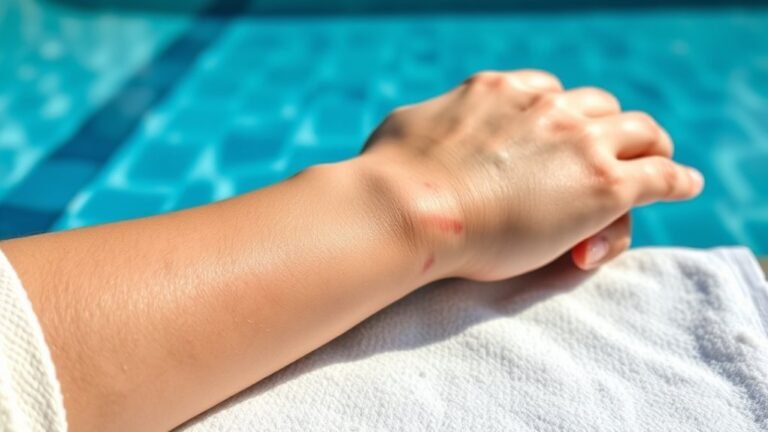
Although laser hair removal is minimally invasive, your skin needs time to heal properly afterward. You might notice redness, swelling, or mild irritation in the treated areas, which is completely normal.
Your skin is fundamentally recovering from the laser’s heat targeting hair follicles, so it’s sensitive and vulnerable during this time. Avoid touching or scratching the area to prevent infection or further irritation.
Your skin is healing from laser heat, so avoid touching to prevent irritation or infection.
Keep the skin clean and moisturized, and use gentle skincare products.
Sun exposure can worsen sensitivity, so always protect your skin with a broad-spectrum sunscreen.
By understanding this healing process, you’ll be better prepared to care for your skin and avoid complications.
This foundation helps ensure your skin stays healthy before you consider activities like swimming.
Why You Should Wait Before Swimming

Now that you understand how your skin heals after laser hair removal, it’s important to recognize why swimming too soon can cause problems. You should wait before jumping into a pool because:
- Your skin is more sensitive and prone to irritation from pool chemicals like chlorine.
- The treated area might still have tiny open pores, increasing infection risk.
- Water exposure can slow down the healing process, causing discomfort and redness.
- Swimming too early may worsen inflammation, leading to longer recovery time.
Risks of Swimming Too Soon After Treatment

Because your skin remains vulnerable after laser hair removal, swimming too soon can expose you to several risks. Your treated skin is sensitive and prone to irritation, infection, and delayed healing. Chlorine and saltwater can worsen inflammation and cause discomfort.
Plus, damaged skin is more susceptible to bacteria, increasing infection risk.
| Risk | Cause | Effect |
|---|---|---|
| Irritation | Chlorine/saltwater contact | Redness, itching, burning |
| Infection | Open pores, bacteria | Pain, swelling, pus |
| Delayed healing | Skin sensitivity | Longer downtime, scarring risk |
| Hyperpigmentation | UV exposure, inflammation | Dark spots on treated areas |
| Discomfort | Skin dryness, damage | Pain during and after swimming |
Avoid these risks by waiting until your skin fully recovers before swimming.
Ideal Waiting Period Before Taking a Swim
While your skin is healing after laser hair removal, you should wait at least 1 to 2 weeks before swimming to prevent irritation and infection. This waiting period allows your skin to recover from the laser’s effects and reduces the risk of complications.
To guarantee you swim safely after treatment, follow these steps:
- Monitor your skin daily for redness or sensitivity.
- Avoid swimming if you notice any irritation or open wounds.
- Consult your laser technician or dermatologist for personalized advice.
- Keep your skin moisturized and protected during the healing phase.
Waiting the recommended time helps your skin heal properly, so you can enjoy swimming without discomfort or risk. Patience now means safer, more comfortable swims later.
How Chlorine and Saltwater Affect Treated Skin
Although swimming can feel invigorating, both chlorine and saltwater can irritate your skin after laser hair removal. Your skin is especially sensitive following treatment, and exposure to these substances can cause redness, itching, or even a burning sensation.
Chlorine, commonly used in pools, is a strong chemical that can strip away your skin’s natural oils, leading to dryness and increased irritation.
Saltwater, while natural, can also be abrasive and may aggravate any open pores or tiny skin wounds created by the laser.
To protect your skin, avoid swimming in chlorinated pools or the ocean until your skin has fully healed. Remember, your skin needs extra care during this vulnerable period to prevent discomfort and ensure the best results from your treatment.
Preparing Your Skin for Swimming Post-Treatment
Before you jump back into the pool or ocean, you need to prepare your skin carefully to prevent irritation and promote healing. Follow these steps to get your skin ready:
Prepare your skin carefully before swimming to avoid irritation and support healing.
- Wait for Initial Healing: Allow at least 48 hours after treatment before exposing your skin to water.
- Moisturize Regularly: Apply a gentle, fragrance-free moisturizer to keep your skin hydrated.
- Avoid Hot Showers: Use lukewarm water when rinsing the treated area to reduce inflammation.
- Check for Sensitivity: Test a small skin patch with water before full exposure to ensure no adverse reaction.
Protective Measures to Take While Swimming
Once your skin is prepared and healed, you need to take specific protective measures to keep it safe during swimming. Avoid prolonged exposure to chlorinated or salt water, as these can irritate your sensitive skin.
Always apply a waterproof sunscreen with high SPF to shield your skin from UV rays. Wearing protective swimwear or a rash guard can minimize direct water contact and reduce friction. Rinse off immediately after swimming to remove residual chemicals or salt.
| Protective Measure | Why It’s Important |
|---|---|
| Limit swimming time | Reduces skin exposure to irritants |
| Use waterproof sunscreen | Protects against UV damage |
| Wear protective swimwear | Minimizes skin irritation and friction |
| Rinse immediately | Removes chemicals and salt residue |
| Avoid hot tubs | Prevents overheating and further irritation |
Post-Swim Skin Care Tips After Laser Hair Removal
Since your skin remains sensitive after laser hair removal, taking proper care immediately after swimming is essential to prevent irritation and promote healing.
Follow these steps to soothe and protect your skin:
Follow these steps to gently soothe and protect your skin after swimming post-laser hair removal.
- Rinse off thoroughly with fresh water to remove chlorine or salt that can irritate your skin.
- Gently pat your skin dry with a soft towel; avoid rubbing to prevent further irritation.
- Apply a fragrance-free, soothing moisturizer or aloe vera gel to calm redness and hydrate.
- Wear loose, breathable clothing to avoid friction on treated areas and allow your skin to breathe.
When to Consult Your Dermatologist After Swimming
If you notice persistent redness, swelling, or discomfort on your skin after swimming, you should contact your dermatologist promptly. These symptoms might indicate irritation or an infection that needs professional attention.
Also, if you see unusual rashes, blisters, or prolonged sensitivity in the treated area, don’t hesitate to seek advice. Your dermatologist can assess whether your skin is reacting adversely to chlorine, saltwater, or bacteria and recommend treatments to speed healing.
Additionally, if you experience increased itching or burning that doesn’t improve with basic care, it’s important to get a professional evaluation.
Prompt consultation helps prevent complications and ensures your skin recovers safely.
Frequently Asked Questions
Can I Swim in a Pool if I Have a Sunburn Before Laser Hair Removal?
You shouldn’t swim in a pool if you have a sunburn before laser hair removal. Chlorine can irritate your skin, making sunburn worse and increasing sensitivity.
Wait until your skin heals fully for safety and comfort.
Does Laser Hair Removal Affect My Swimming Performance or Endurance?
You won’t suddenly feel like a mermaid with superpowers, but laser hair removal doesn’t affect your swimming performance or endurance.
Just keep your skin protected and healed, and you’ll swim strong without any setbacks.
Are There Specific Swimwear Materials Recommended After Laser Hair Removal?
You should choose swimwear made from soft, breathable fabrics like nylon or polyester. Avoid rough materials that might irritate your skin after laser hair removal.
Opt for a loose fit to prevent friction and promote healing.
Can Swimming Help Reduce Inflammation After Laser Hair Removal?
Swimming can help reduce inflammation by cooling your skin, soothing irritation, and promoting gentle movement.
But don’t swim immediately after treatment; wait until your skin heals to avoid infection, redness, or worsening sensitivity.
Is It Safe to Use Tanning Lotions Before Swimming Post-Treatment?
No, you shouldn’t use tanning lotions before swimming post-treatment. They can irritate your sensitive skin and increase the risk of adverse reactions.
Instead, keep your skin clean and moisturized with gentle, fragrance-free products until fully healed.
Conclusion
After laser hair removal, jumping into a pool or ocean too soon can rain on your skin’s parade. Give your body enough time to heal—usually a couple of weeks—before swimming.
Protect your skin from chlorine or saltwater by applying a barrier cream and rinsing off promptly afterward. Taking these precautions guarantees your skin stays smooth and healthy, so you’re not left paying the piper later.
When in doubt, always check with your dermatologist first. Following these steps will help you go swimming safely after laser hair removal and maintain optimal skin health.