How to Swim Without a Tampon Safely
You can swim safely without a tampon by choosing alternatives like menstrual cups or specially designed period swimwear, which prevent leaks and feel comfortable in the water. Knowing how to swim without a tampon safely is essential for comfort and confidence during your period. Make sure you know your flow level and pick the right protection to suit it.
Change or rinse your product before and after swimming to stay fresh and avoid infections. Preparing your body and practicing insertion techniques helps too. Keep going to discover more tips on handling your period with confidence while swimming.
Understanding Your Menstrual Flow and Swimming Needs
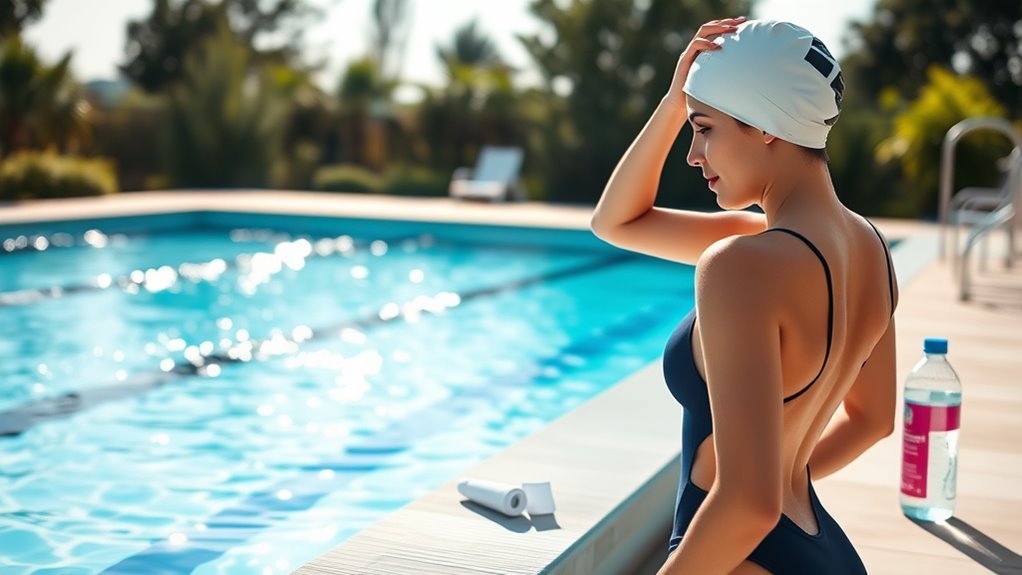
Although swimming during your period might seem challenging without a tampon, understanding your menstrual flow is key to making it safer and more comfortable. You need to assess how heavy or light your flow is, as this will influence how long you can swim without worrying about leaks.
Knowing your flow helps you swim safely and comfortably during your period without a tampon.
If your flow is light, you might feel more confident swimming without additional protection for short periods. On heavier days, you’ll want to plan carefully and limit your swim time.
Also, consider your activity level and how much movement you’ll have in the water.
Being aware of your cycle’s timing helps you choose the best days to swim comfortably without a tampon. Knowing these details lets you prepare better and enjoy swimming confidently during your period.
Choosing the Right Menstrual Products for Swimming
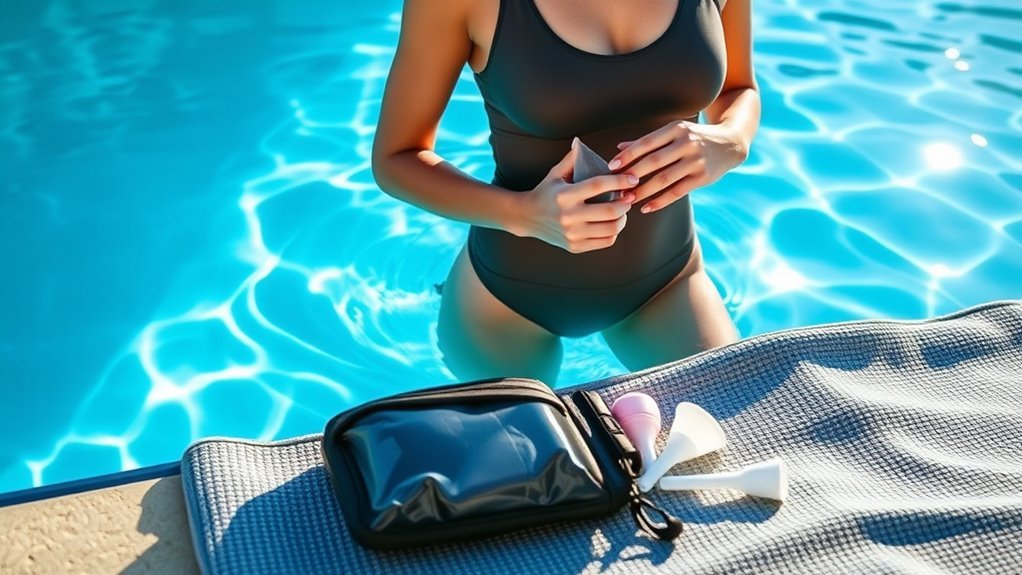
When you’re swimming during your period, choosing the right menstrual product can make all the difference in comfort and confidence. Pads, for example, aren’t suitable because they absorb water and lose effectiveness.
Instead, you might consider period swimwear, which looks like regular swimsuits but has built-in absorbent layers designed to hold menstrual flow securely. Alternatively, you can use waterproof liners made specifically for water activities, ensuring you stay protected without bulk.
Be sure to pick a product that matches your flow level and fits snugly to avoid leaks. Remember, changing your product before and after swimming helps maintain hygiene and prevents discomfort.
Selecting the right option lets you enjoy the water worry-free, even without a tampon.
Using Menstrual Cups as an Alternative to Tampons
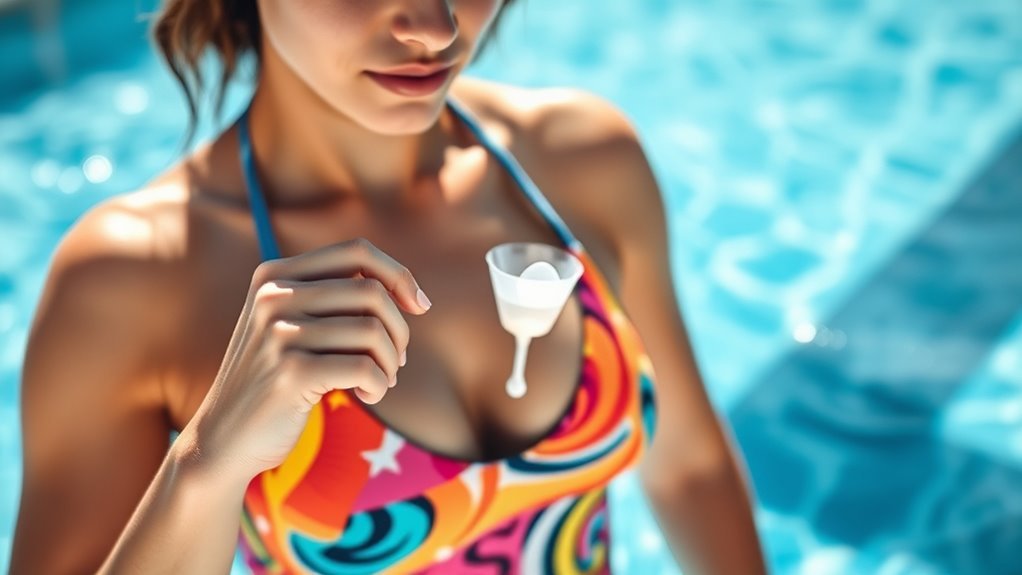
If you want a reusable and eco-friendly alternative to tampons, menstrual cups offer a reliable option for swimming during your period. Made from flexible silicone or rubber, these cups collect menstrual flow instead of absorbing it, reducing the risk of leaks in the water.
Before swimming, insert the cup properly to guarantee a secure, comfortable fit. You’ll find that a well-positioned cup won’t shift or cause discomfort as you swim.
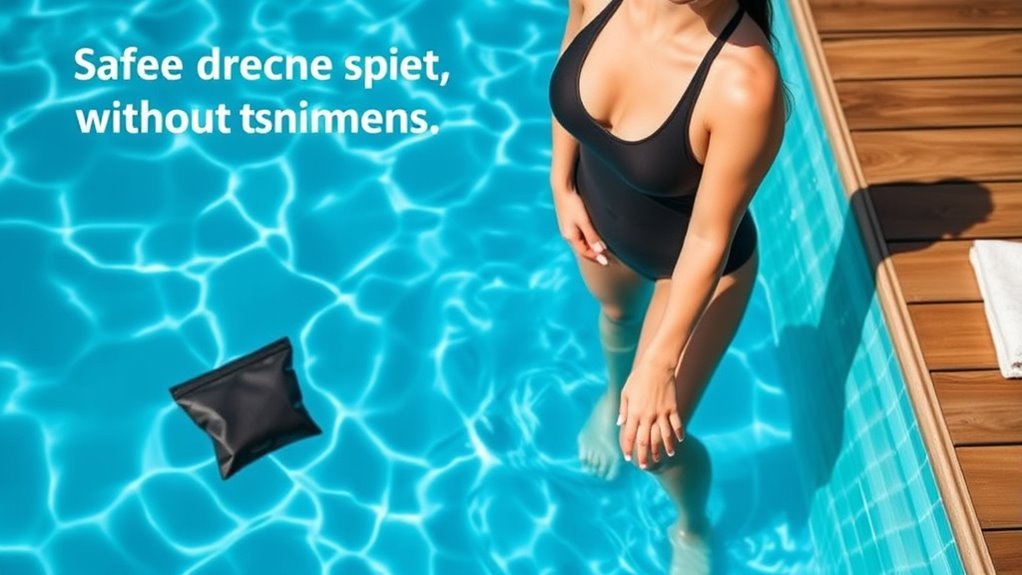
When you’re finished, remove, empty, rinse, and reinsert the cup if needed. Keep a waterproof bag handy for storage if you can’t clean it immediately.
Menstrual cups can last for years, saving money and minimizing waste. Just make sure to practice inserting and removing your cup until you feel confident before hitting the pool or ocean.
Exploring Period Swimwear Options
Since managing your period in the water can be tricky, period swimwear offers a practical solution designed specifically to provide comfort and leak protection while you swim. These swimsuits feature built-in absorbent layers that hold menstrual flow securely, so you don’t have to worry about leaks or discomfort.
You can choose from various styles, including one-pieces, bikinis, or swim shorts, depending on your preference and activity level. Many options use quick-drying, breathable fabrics that help keep you feeling fresh.
Period swimwear lets you enjoy swimming confidently without relying on tampons or cups. Just remember to change or rinse them promptly after use to maintain hygiene and extend their lifespan. Exploring these options can make swimming during your period stress-free and enjoyable.
How to Prepare Your Body Before Swimming
Although swimming during your period can feel intimidating, preparing your body properly helps you stay comfortable and protected in the water. Before you jump in, take these steps:
1. Shower thoroughly
Clean your genital area to reduce bacteria and feel fresh.
2. Wear suitable period swimwear
Choose leak-proof or absorbent styles designed for periods.
3. Use backup protection
Consider period panties or a menstrual cup for extra security.
4. Stay hydrated and relaxed
Drink water and do light stretches to ease cramps and improve circulation.
Tips for Changing and Cleaning Menstrual Products Before and After Swimming
Before you plunge into the pool, make sure you change your menstrual product to prevent leaks and maintain hygiene. Use a fresh tampon, cup, or pad designed for swimming if you prefer external protection.
When changing, wash your hands thoroughly to avoid introducing bacteria. After swimming, change your product promptly to reduce the risk of irritation or infection.
Rinse reusable menstrual cups with clean water before reinserting, and disinfect them properly at the end of your swim day. If you’re using tampons, don’t leave them in longer than recommended, especially after swimming.
Always carry a waterproof bag with spare products and wipes for quick, hygienic changes. This routine keeps you feeling fresh and confident in and out of the water.
Managing Leaks and Staying Comfortable in the Water
When you swim during your period, managing leaks becomes essential to stay comfortable and confident. You can avoid discomfort and embarrassment by taking a few simple steps before and during your swim. Here’s how to manage leaks effectively:
- Choose leak-proof swimwear designed with built-in absorbent layers or wear a snug, dark-colored swimsuit to hide potential stains.
- Use a menstrual cup or period underwear, which provide reliable protection without bulk.
- Change your menstrual product right before entering the water to maximize protection.
- Carry a spare product and waterproof bag to change quickly after swimming.
Maintaining Hygiene and Skin Care While Swimming During Your Period
Since swimming exposes your body to water and chemicals like chlorine, maintaining proper hygiene and skin care during your period is essential to prevent irritation and infections. Before you swim, rinse your genital area with clean water to remove any sweat or bacteria.
After swimming, shower promptly to wash off chlorine and any menstrual flow residue. Use gentle, fragrance-free soap to avoid irritation. Change out of wet swimwear quickly, as damp fabric can encourage bacterial growth.
Applying a light, hypoallergenic moisturizer can soothe your skin if you notice dryness or itching. If you experience discomfort or redness, consider taking a break from swimming until your skin heals.
Frequently Asked Questions
Can Swimming During Menstruation Affect Menstrual Cycle Regularity?
Swimming during menstruation won’t affect your cycle’s regularity. Exercise can actually help ease cramps and improve mood.
Just make sure you feel comfortable and use proper protection to stay hygienic and confident in the water.
Is It Safe to Swim With an IUD During Your Period?
Yes, you can safely swim with an IUD during your period. Just make sure you’re comfortable and use protection like a tampon or menstrual cup to avoid leaks.
Swimming won’t affect your IUD or period.
How Does Saltwater Impact Menstrual Products Used While Swimming?
Saltwater acts like a sneaky thief, drawing moisture from your menstrual products, which can make them less effective and uncomfortable. You’ll want to choose products designed for water, so they don’t lose their grip or protection while swimming.
Can Swimming Help Reduce Menstrual Cramps?
Yes, swimming can help reduce menstrual cramps by relaxing your muscles and increasing blood circulation. The gentle exercise releases endorphins, which act as natural painkillers, making you feel better during your period.
Are There Any Risks of Infections From Swimming During Menstruation?
Yes, you risk infections if you swim during menstruation without protection, as bacteria can enter the vagina. To stay safe, change frequently, shower after swimming, and avoid swimming in dirty or crowded pools.
Conclusion
Swimming during your period without a tampon might seem tricky, but with the right knowledge and preparation, it’s completely doable—and even freeing. You’ll swap worries about leaks for confidence in your choices, turning what feels like a limitation into an opportunity for comfort and control.
Embrace alternatives like menstrual cups or period swimwear, and you’ll find that swimming freely, safely, and hygienically isn’t just possible—it’s empowering.
Plunge in and enjoy every splash without hesitation! Swim without a tampon safely by choosing the right protection and following simple guidelines for hygiene and comfort.