
What Age to Start Swimming Lessons Guide
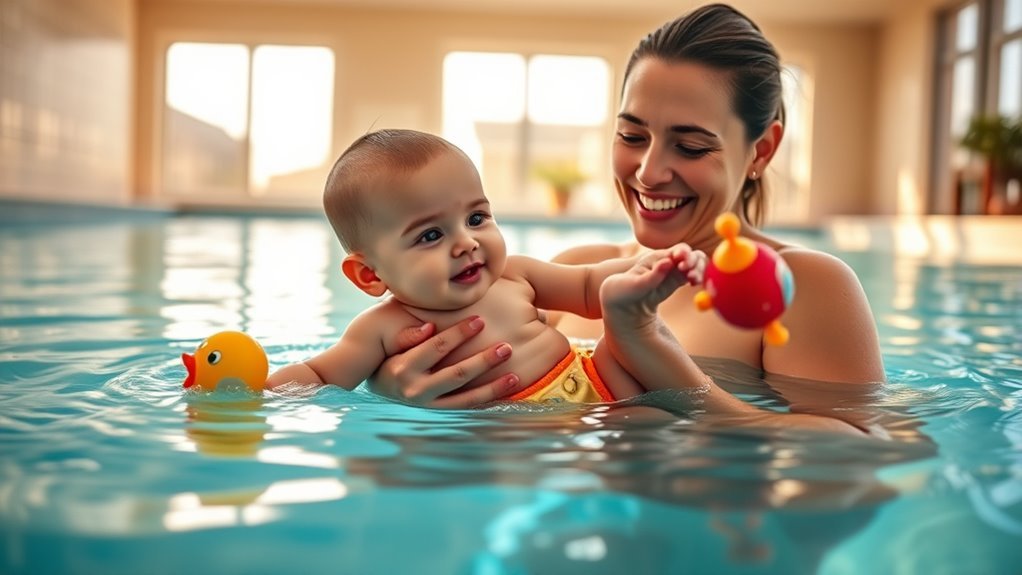
You can start swimming lessons as early as six months to help your child get comfortable in the water and build essential safety skills. Early swimming lessons are great for water adjustment and fostering a love for the pool from a young age.
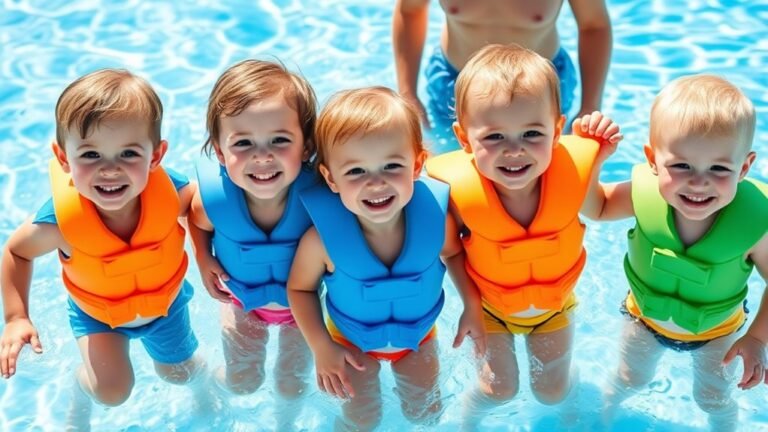
Younger kids focus on basic comfort and safety, while older children can learn more advanced techniques and strokes. Look for signs like curiosity about water and the ability to follow simple instructions before enrolling your child in a swim program.
Choosing the right swimming lessons program and ensuring safety are key components to a successful start. Keep reading to uncover helpful tips that make their first swimming lesson smooth and fun for your little one.
Benefits of Early Swimming Lessons
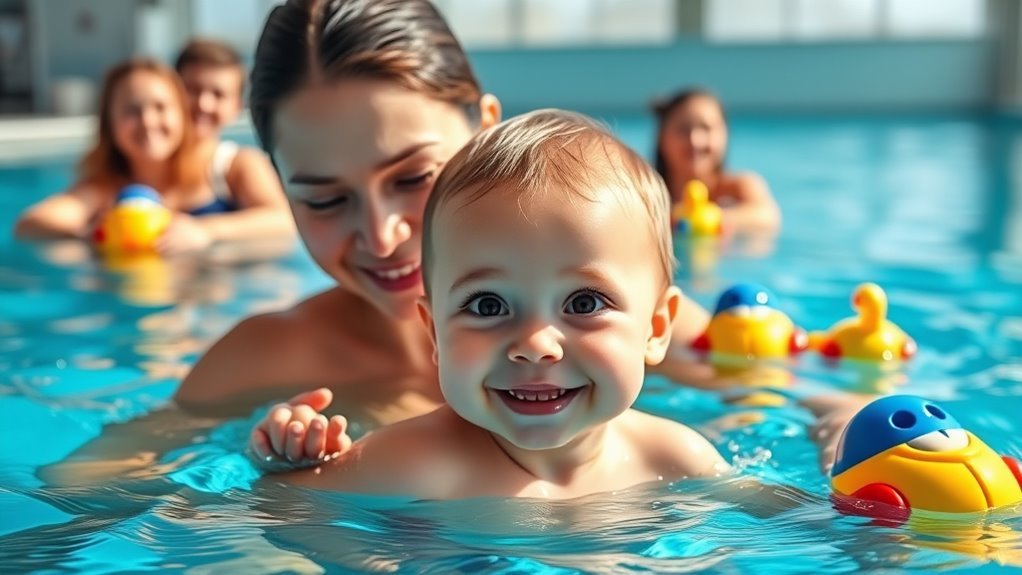
Although you might think swimming lessons are only for older kids, starting early offers significant benefits. When you introduce your child to water at a young age, you help build their confidence and comfort around water, reducing fear.
Early lessons improve coordination and motor skills, laying a strong foundation for future swimming techniques.
Plus, you’re fostering safety awareness from the start, which can be life-saving.
Early exposure also encourages a love for physical activity, promoting healthy habits as they grow.
By beginning lessons early, you set your child up for success, making each stage of learning smoother and more enjoyable.
This proactive approach benefits both their physical and emotional development in the long run.
Recommended Ages for Swimming Classes
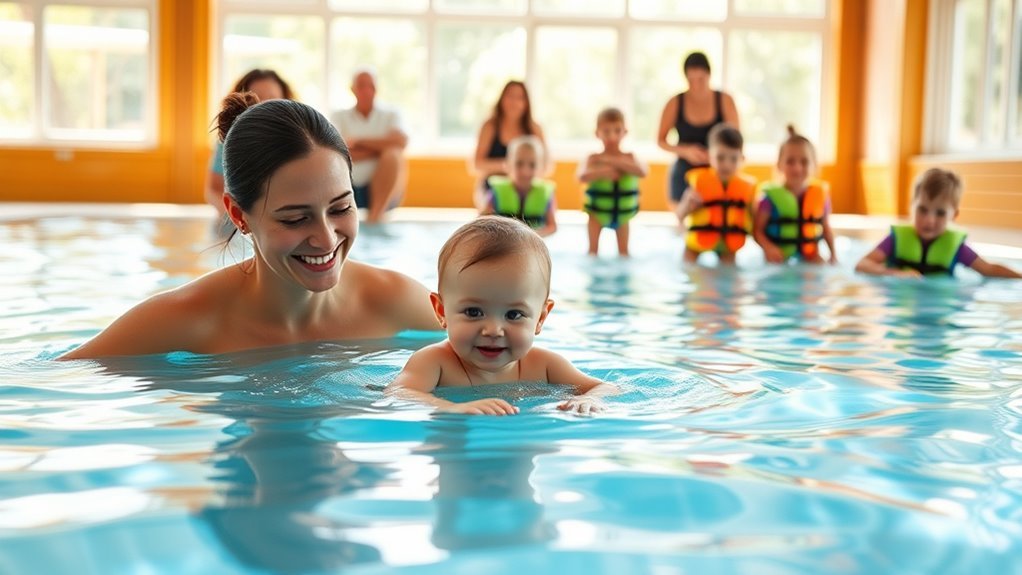
Starting swimming lessons at the right age can make a big difference in how your child learns and enjoys the water. While babies as young as six months can start water acclimation classes, formal swimming lessons typically begin later to match developmental readiness.
Here’s a quick guide to recommended ages:
| Age Range | Recommended Focus |
|---|---|
| 6 months – 2 yrs | Water adjustment, basic comfort |
| 3 – 5 years | Basic swimming skills, water safety |
| 6 years and up | Advanced techniques, endurance |
This structure helps you choose classes that suit your child’s physical and cognitive stages. Remember, starting too early or too late might affect progress, so use this as a flexible guideline to plan your child’s swimming journey effectively.
Signs Your Child Is Ready for Swimming Lessons
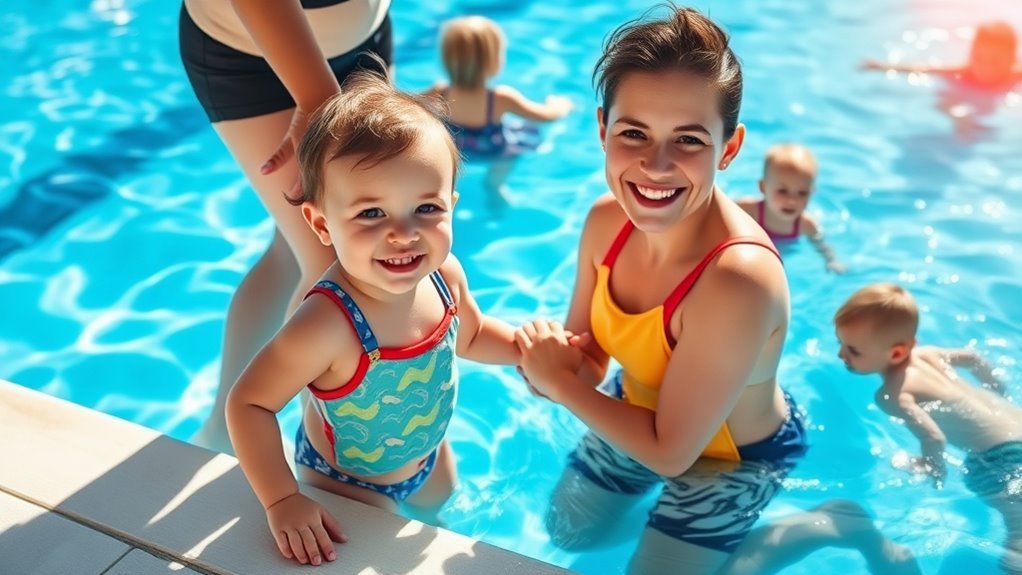
When your child shows curiosity about water and can follow simple instructions, it’s a good sign they’re ready for swimming lessons. You’ll notice they’re comfortable being near water and may even try to splash or kick in the tub or pool.
If your child listens well and can stay focused for short periods, they’ll benefit more from structured lessons. Look for signs like being able to blow bubbles or hold their breath briefly underwater, which shows developing water confidence.
Also, if they show excitement about getting in the pool rather than fear, that enthusiasm will help them learn faster. These indicators tell you your child is prepared to start building essential swimming skills safely and enjoyably.
Choosing the Right Type of Swimming Program
Since every child learns differently, you’ll want to find a swimming program that matches your child’s personality, skill level, and comfort in the water. Start by considering what environment suits them best. Some kids thrive in group lessons, while others do better with one-on-one attention.
Next, think about the instructor’s approach; you want someone patient and experienced with your child’s age group.
Finally, check the class size and schedule to guarantee it fits your family’s routine without overwhelming your child.
Here are three steps to help you choose the right program:
- Assess your child’s learning style and social comfort.
- Research instructor credentials and teaching methods.
- Confirm class size and timing align with your needs.
This way, you’ll set your child up for a positive swimming experience.
Safety Considerations Before Starting Lessons
Before your child jumps into swimming lessons, you’ll want to prioritize safety by understanding potential risks and preparing accordingly. Ensuring the facility’s pool meets safety standards, checking for certified instructors, and knowing your child’s swimming readiness are key steps.
You should also be aware of any medical concerns, like ear infections or skin conditions, that might affect lesson timing.
| Risk Factor | What to Check | Action to Take |
|---|---|---|
| Pool Safety | Fence, clean water, depth | Confirm facility standards |
| Instructor Credentials | Certification, experience | Verify instructor qualifications |
| Child’s Health | Medical history, allergies | Consult your pediatrician |
Tips for Preparing Your Child for Their First Swim Class
Although swimming lessons can seem overwhelming at first, you can help your child feel confident and excited by preparing them with simple steps. Start by explaining what to expect during the class to ease any fears.
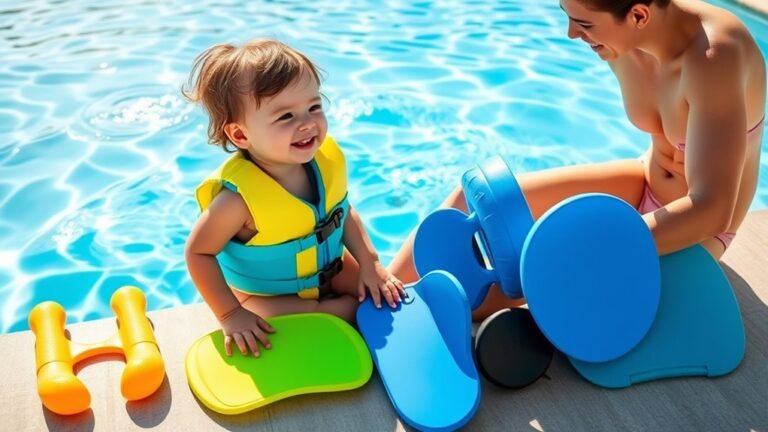
Next, choose comfortable swimwear and pack all necessary gear like towels, goggles, and swim caps to avoid last-minute stress.
Finally, establish a positive routine by arriving early, encouraging them throughout, and celebrating small successes.
Here are three key tips:
- Talk about the pool environment and safety rules to build familiarity.
- Practice basic water comfort skills, like blowing bubbles or kicking, at home or in a shallow pool.
- Maintain a calm, supportive attitude to help your child stay relaxed and enjoy their first lesson.
Frequently Asked Questions
How Often Should My Child Attend Swimming Lessons Each Week?
You should aim for your child to attend swimming lessons 2-3 times a week to build skills consistently. This frequency helps improve confidence, technique, and water safety without overwhelming them.
Adjust based on their progress and schedule.
What Equipment Is Necessary for Beginners in Swimming Lessons?
You’ll need goggles to avoid looking like a confused goldfish, a snug swimsuit that won’t betray you mid-kick, a swim cap to tame your hair jungle, and a towel to dry off your newfound swimming swagger.
Can Swimming Lessons Help With Other Developmental Skills?
Yes, swimming lessons can boost your child’s coordination, confidence, and social skills. You’ll see improvements in motor development, listening abilities, and even problem-solving.
It’s a fun, supportive way to encourage overall growth.
How Do Instructors Handle Fear of Water in Young Children?
Instructors tackle water fear like superheroes, gently easing you in with games, comfort, and patience. They’ll never rush you, making sure you feel safe and confident, turning your fear into excitement splash by splash.
Are Private Swimming Lessons More Effective Than Group Classes?
Yes, private swimming lessons can be more effective because you get personalized attention and tailored instruction. You’ll progress faster and overcome challenges more easily, especially if you’re nervous or need extra support in the water.
Conclusion
Starting swimming lessons early can make a big difference—did you know that children who begin lessons before age 4 are 88% less likely to experience drowning?
By recognizing when your child is ready and choosing the right program, you’re setting them up for safety and confidence in the water.
Keep safety in mind and prepare them well, and you’ll watch your little swimmer thrive from their very first splash.
Starting swimming lessons at the right age is key to building strong skills and water safety habits that last a lifetime.