How Do You Decide to Wear Underwear With Swimming Trunks?
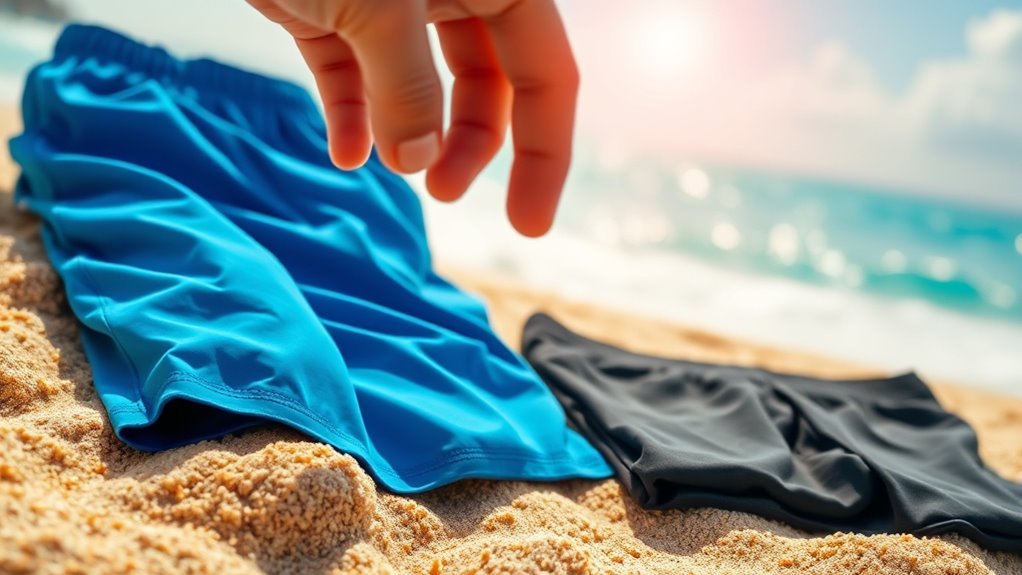
You decide whether to wear underwear with swimming trunks by considering the lining type—most have built-in mesh that offers support and usually means you don’t need extra underwear. Comfort is another key factor; underwear can add bulk or moisture, but lightweight, quick-drying options help manage this.
Your activity level also matters. More intense swimming may call for extra support, making underwear a practical choice. Additionally, hygiene and fabric type play important roles in your decision.
Keep exploring different options to find the best fit for your swimwear style and needs. Ultimately, the right choice balances comfort, function, and personal preference.
Understanding Different Types of Swimwear Linings
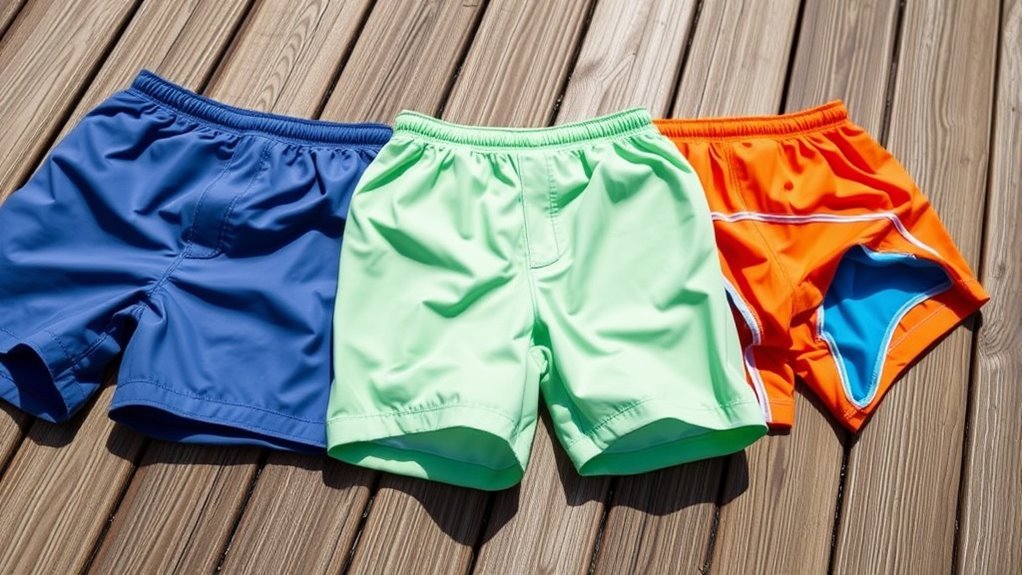
Although it might seem minor, understanding the different types of swimwear linings can help you decide whether to wear underwear with your swimming trunks. Most trunks come with a built-in mesh lining designed to provide support and prevent chafing.
This lining acts similarly to underwear, so you often don’t need anything underneath. However, some swimwear features a fabric lining instead of mesh, which might feel less supportive or breathable.
If your trunks lack any lining, you’ll probably want to wear underwear or a swim-specific alternative for comfort and hygiene.
Knowing your swimwear’s lining type lets you make a practical choice without sacrificing comfort or style, especially during extended wear or active swimming.
Take a quick look inside your trunks before you hit the water.
Comfort Factors When Choosing to Wear Underwear
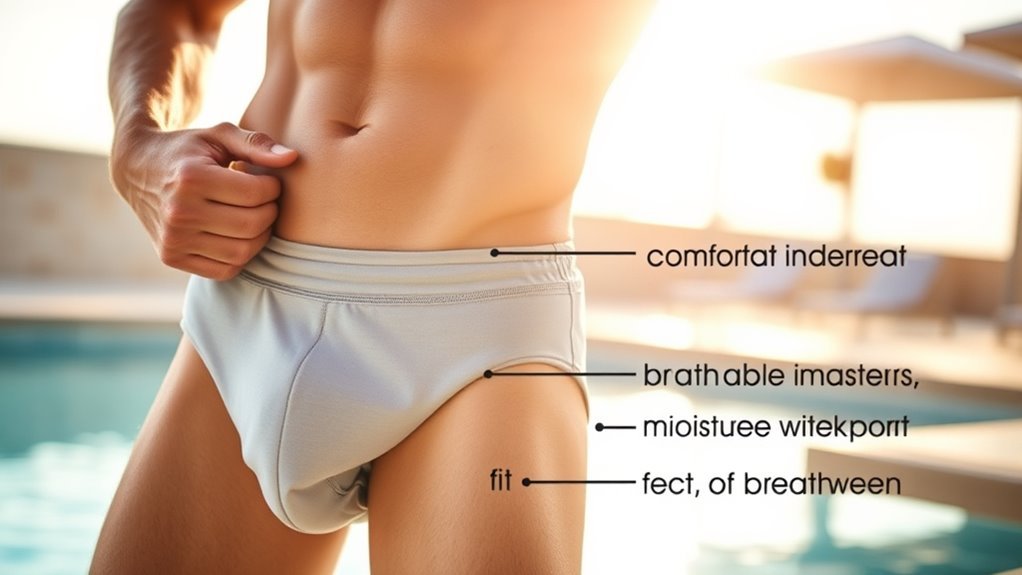
When deciding whether to wear underwear under your swimming trunks, comfort should be your top priority. Swim trunks usually come with a built-in mesh lining designed to provide support and reduce chafing, so adding underwear might feel bulky or restrictive.
If you prefer extra support, choose lightweight, moisture-wicking underwear that won’t bunch up or trap water. Consider the fabric, too—quick-drying materials prevent discomfort caused by dampness.
Pay attention to fit; tight underwear under swim trunks can cause irritation, while loose options might shift during swimming.
Ultimately, listen to your body’s signals during wear.
If you feel comfortable and unrestricted, you’re making the right choice. Comfort varies by individual, so experimenting with or without underwear helps you find what suits you best.
Hygiene Considerations for Swimming Trunks
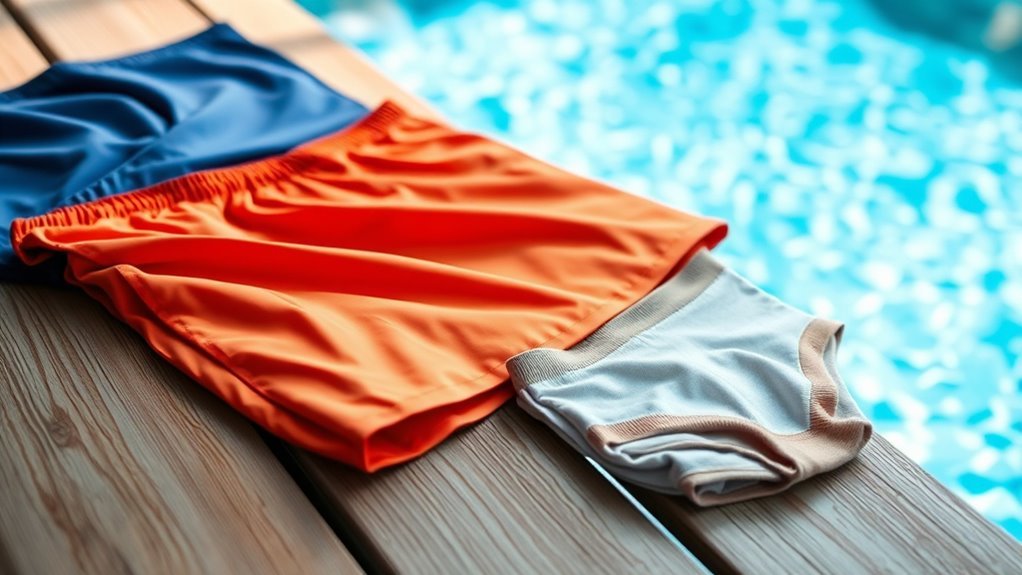
Since swimming trunks frequently come into contact with water, sweat, and bacteria, maintaining proper hygiene is essential to prevent irritation and infections. You should wash your trunks after every use and consider whether to wear underwear based on how it affects cleanliness.
Wearing underwear can absorb sweat but may trap moisture, increasing bacterial growth.
| Hygiene Aspect | Consideration |
|---|---|
| Washing Frequency | After each swim to remove bacteria and salt |
| Material Choice | Quick-dry fabrics reduce moisture retention |
| Underwear Use | May add protection but trap moisture |
| Drying Method | Air dry completely before storing |
| Skin Sensitivity | Monitor for irritation from fabric or moisture |
Keeping these factors in mind helps you stay fresh and healthy during and after swimming sessions.
Impact of Activity Level on Your Underwear Choice
Because your activity level directly influences how much you sweat and move, it plays a key role in deciding whether to wear underwear with your swimming trunks. If you plan to stay mostly still, lounging by the pool or sunbathing, you might skip underwear for comfort and simplicity.
But if you’re engaging in vigorous activities like swimming laps, beach volleyball, or water sports, wearing underwear can provide extra support and prevent chafing caused by constant movement. High activity levels increase friction and moisture, so choosing to wear underwear can help keep you comfortable and reduce irritation.
On the other hand, low activity means less sweat and friction, making underwear optional. Ultimately, match your underwear choice with how active you expect to be to stay comfortable throughout your swim session.
Material and Fabric Differences in Swimwear
How do you choose the right material for your swimwear? It’s vital because fabric affects comfort, drying time, and whether you need underwear underneath. Swim trunks often come in polyester, nylon, or spandex blends, each with unique traits.
| Material | Drying Speed | Comfort Level |
|---|---|---|
| Polyester | Fast | Moderate |
| Nylon | Moderate | Soft, lightweight |
| Spandex | Slow | Stretchy, form-fit |
| Cotton | Slow | Not recommended |
| Mesh Lining | Quick | Provides support |
Polyester dries quickly but feels less soft, while nylon is lightweight and comfy. Spandex offers stretch but retains water longer. Avoid cotton as it stays wet and heavy. Mesh lining inside trunks often replaces the need for underwear by adding support and breathability.
Personal Style and Confidence in Swimwear Choices
When you choose swimwear that reflects your personal style, you naturally boost your confidence. Whether you prefer bold patterns, classic solid colors, or minimalist designs, your swim trunks should make you feel good.
Choosing swimwear that matches your style naturally enhances your confidence and comfort.
This confidence affects how you carry yourself, whether you wear underwear underneath or not. If you feel secure and comfortable without underwear, that’s great.
If you prefer the extra support or hygiene, go for it.
The key is to pick what aligns with your comfort and style. Remember, swimwear is an extension of your personality, so don’t be afraid to express yourself.
When you look and feel right, it shows in your posture, your smile, and your overall vibe at the pool or beach.
Frequently Asked Questions
Can Wearing Underwear Under Swim Trunks Cause Chafing?
Yes, wearing underwear under swim trunks can cause chafing because the extra fabric creates friction when you move. To avoid discomfort, you should choose swim trunks with built-in liners or wear moisture-wicking, seamless underwear.
Are There Specific Underwear Brands Designed for Swimming?
You’ll find underwear brands like Speedo and SAXX designed specifically for swimming. They’re so comfortable you might feel like you’re wearing a cloud! These options prevent chafing and dry quickly, perfect for your aquatic adventures.
How Does Underwear Affect Swim Trunk Drying Time?
Underwear slows your swim trunks’ drying time since it traps moisture and reduces airflow. If you want quicker drying, skip the underwear or choose quick-dry, moisture-wicking underwear designed for swimming.
Is It Necessary to Change Underwear Immediately After Swimming?
You don’t have to change your underwear immediately after swimming, but it’s a good idea to do so once you’re dry.
Staying in wet underwear can cause discomfort and increase the risk of irritation or infections.
Can Underwear Under Swim Trunks Affect Water Resistance?
Wearing underwear under swim trunks can create cumbersome drag, compromising your water resistance. You’ll feel slower and less streamlined, so skip the extra layer to swim smoothly and swiftly without sacrificing speed or style in the surf.
Conclusion
When deciding whether to wear underwear with your swimming trunks, remember comfort and hygiene should be your guiding stars. Pay attention to the lining and fabric to avoid any discomfort or unwanted surprises. Your activity level plays a big role, too—what works for lounging might not cut it for vigorous swimming.
At the end of the day, it’s your personal style and confidence that seal the deal. Don’t be afraid to test the waters and find what fits you like a glove. Choosing whether to wear underwear with swimming trunks ultimately depends on what feels best for you and suits your swimming experience.