How You Can Swim Safely With a New Piercing
You should wait at least 2 to 4 weeks before swimming with a new piercing, ensuring it’s no longer red, swollen, or tender. Swimming safely with a new piercing requires extra care to prevent infection and promote healing. Protect it with a secure, waterproof bandage designed for piercings to keep out bacteria and irritants found in pools, lakes, or oceans.
Always clean it gently with saline after swimming to avoid infection. If you want to keep your piercing safe while enjoying the water, there are important tips and care steps worth knowing. Following these guidelines helps ensure your new piercing heals properly while you enjoy swimming.
Understanding the Healing Process of New Piercings
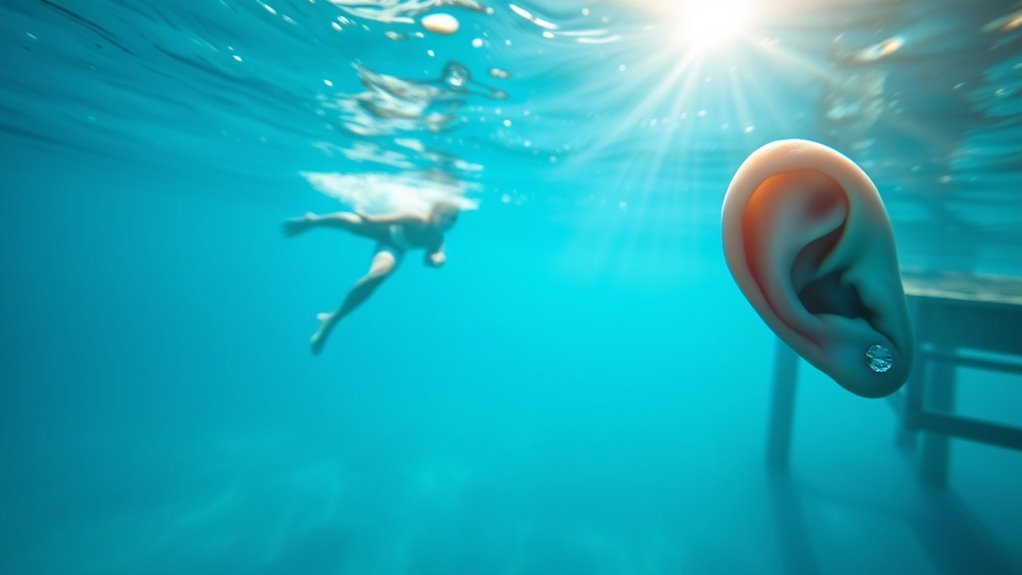
Because your body treats a new piercing as an open wound, it begins a healing process that requires careful care to avoid infection. You’ll notice redness, swelling, and tenderness as your immune system works to repair the tissue.
This process varies depending on the piercing location and your body’s response but typically lasts several weeks to months. During this time, your body forms new skin and tissue around the jewelry, creating a protective barrier.
You must clean the area gently with saline solution and avoid touching it with dirty hands. Any irritation or trauma can slow healing or cause complications.
Risks of Swimming With a Fresh Piercing
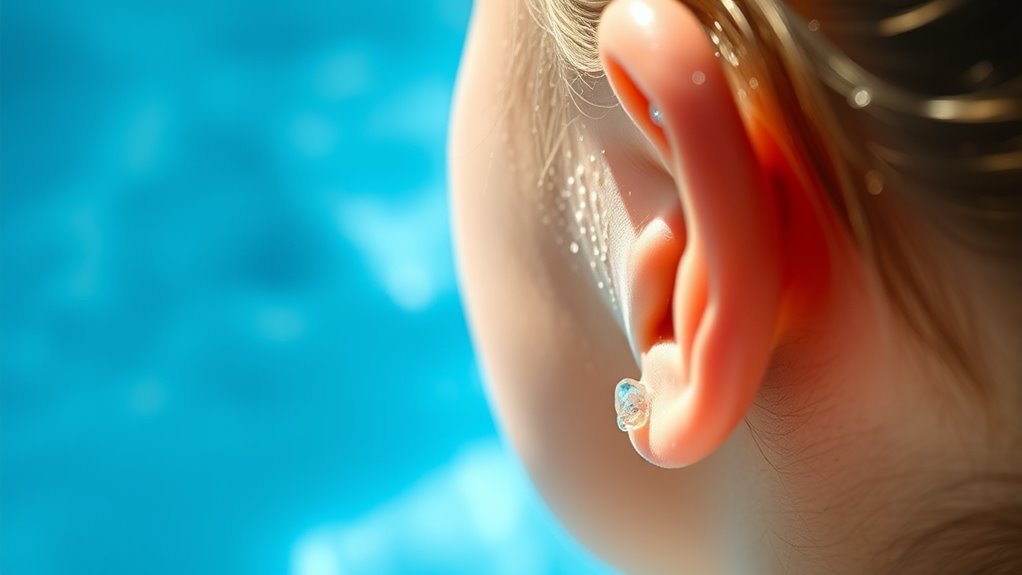
While you might be keen to plunge in, swimming with a fresh piercing puts you at a higher risk of infection due to exposure to bacteria and chemicals in the water. Pools, lakes, and oceans contain microorganisms that can invade your new piercing, causing redness, swelling, and pain.
Swimming too soon after getting pierced risks infection from bacteria and chemicals in pools, lakes, and oceans.
Chlorine and saltwater may irritate the delicate tissue, slowing healing or even leading to complications like abscesses.
Additionally, water can soften the skin around the piercing, making it more vulnerable to tearing or trauma.
If you ignore these risks, you might face prolonged healing times or even need medical treatment.
To protect your piercing, it’s essential to avoid activities that expose it to potentially harmful environments until it’s more fully healed.
Ideal Waiting Period Before Swimming
Since your body needs time to heal, you should wait at least 2 to 4 weeks before swimming with a new piercing. This waiting period helps prevent infection and promotes proper healing.
Keep in mind that healing times vary depending on the piercing location and your personal health. To guarantee you’re ready to swim, consider these factors:
- Check for any redness, swelling, or discharge around the piercing site.
- Make sure your piercing feels stable and not tender to the touch.
- Follow your piercer’s aftercare instructions carefully during this time.
If you notice any signs of irritation or discomfort, it’s best to wait longer before exposing your piercing to water.
Patience during this healing phase will help you enjoy swimming safely without complications.
Choosing the Right Waterproof Protection
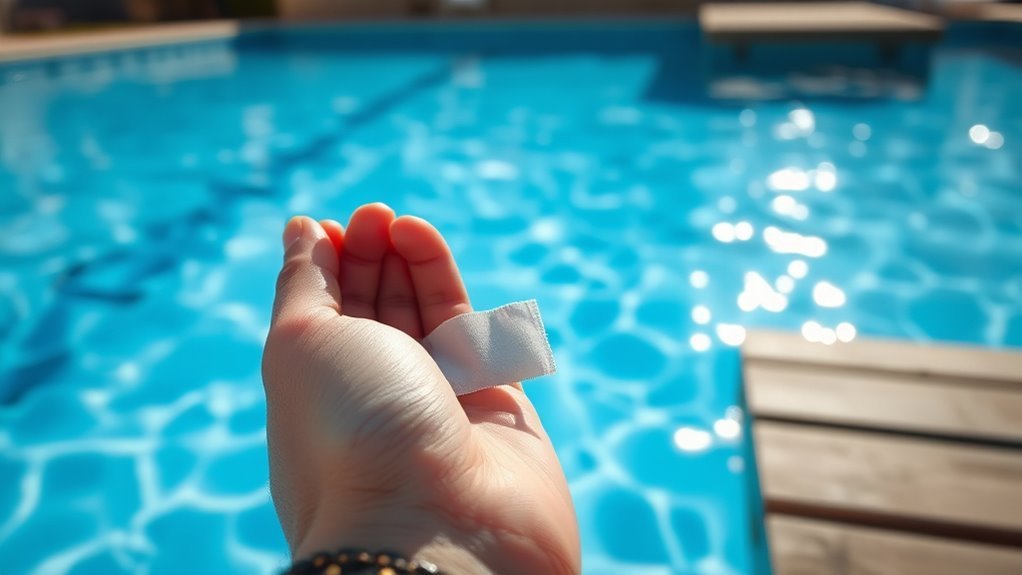
To protect your new piercing from water exposure, you’ll need to choose the right waterproof barrier. Look for specialized waterproof bandages or dressings designed for piercings. These create a snug seal that keeps water, bacteria, and irritants out while allowing your skin to breathe.
Avoid regular plastic wraps or tape, as they can trap moisture and cause irritation. Silicone or hydrocolloid dressings work well because they’re flexible and comfortable during swimming.
Make sure the barrier fully covers the piercing and extends beyond the wound’s edges to prevent leaks. Before swimming, test the seal by gently pressing around it to confirm it’s secure.
Proper waterproof protection considerably reduces infection risk and supports faster healing, letting you enjoy the water worry-free with your new piercing.
How to Properly Clean Your Piercing After Swimming
After swimming, you should clean your piercing promptly to remove any lingering bacteria or irritants that might’ve slipped past your waterproof protection. Start by gently rinsing the area with saline solution or clean, lukewarm water to flush out debris.
Clean your piercing promptly after swimming by rinsing with saline or lukewarm water to remove bacteria and irritants.
Avoid using harsh soaps or alcohol, as these can irritate the fresh piercing.
Then, carefully pat the piercing dry with a clean paper towel. Never use a cloth towel, which can harbor bacteria.
Finally, apply a fresh saline soak or spray to keep the area moist and promote healing.
Here’s a quick checklist:
- Rinse with saline or lukewarm water immediately after swimming
- Pat dry with a clean paper towel
- Apply saline solution to soothe and disinfect
Following these steps will help you maintain your piercing’s health and prevent infection.
Best Practices for Swimming in Pools vs. Natural Waters
Although both pools and natural waters offer great places to swim, you need to take different precautions to protect your new piercing in each environment.
In pools, chlorine helps kill bacteria but can irritate your skin and slow healing. Always rinse your piercing with clean water immediately after swimming to remove chlorine residue.
In natural waters like lakes, rivers, or oceans, bacteria and other microbes are more prevalent, increasing infection risk. Avoid submerging your piercing for long periods and consider using a waterproof bandage to shield it. After swimming, gently clean your piercing with saline solution to flush out contaminants.
In both settings, avoid touching or twisting your jewelry while in the water to minimize irritation and contamination. Taking these steps helps keep your piercing safe and promotes faster healing.
Signs of Infection to Watch For After Swimming
If you notice redness, swelling, or increased pain around your piercing after swimming, these could be early signs of infection. It’s vital to make certain to act quickly to prevent complications.
Keep an eye out for any unusual symptoms that might indicate your piercing needs attention.
Watch for:
- Discharge that’s yellow or green, especially if it smells bad.
- Persistent warmth or tenderness around the piercing site.
- Fever or chills, which can signal a more serious infection.
If you experience any of these signs, avoid swimming and consult a healthcare professional promptly.
Early detection and treatment help ensure your piercing heals well and stays safe during swim season.
Tips for Maintaining Piercing Hygiene During Swim Season
Because water and bacteria can easily irritate a fresh piercing, you need to take extra care to keep it clean during swim season. Rinse your piercing with sterile saline solution both before and after swimming to flush out any contaminants.
Avoid touching your piercing with dirty hands to prevent introducing bacteria. If possible, cover your piercing with a waterproof bandage to reduce exposure to pool or ocean water.
After swimming, gently pat your piercing dry with a clean towel or let it air dry. Never use shared or rough towels.
Stick to your regular cleaning routine and avoid applying harsh chemicals or alcohol, which can delay healing.
Staying vigilant about hygiene will help your piercing heal smoothly and reduce the risk of infection throughout the swim season.
When to Consult a Professional About Piercing Care
Whenever you notice unusual redness, swelling, or persistent pain around your new piercing, you should consult a professional promptly to prevent complications. Ignoring these signs can lead to infections or prolonged healing.
Don’t hesitate to seek expert advice if you experience:
- Discharge that’s yellow or green, indicating possible infection
- Fever or chills accompanying discomfort around the piercing
- Jewelry that becomes stuck, embedded, or causes excessive irritation
A professional piercer or healthcare provider can assess your situation, recommend treatment, or safely remove jewelry if necessary. They’ll also provide tailored care instructions, ensuring your piercing heals properly, especially after swimming.
Frequently Asked Questions
Can I Use Earphones While Swimming With a New Ear Piercing?
You shouldn’t use earphones while swimming with a new ear piercing because water and bacteria can cause infections.
Wait until your piercing fully heals before using them to keep your ear safe and avoid complications.
Does Saltwater Help Speed up the Healing of a New Piercing?
Saltwater can help clean your new piercing and reduce bacteria, but it won’t dramatically speed healing.
You should use a sterile saline solution instead, and avoid harsh saltwater exposure to prevent irritation or infection.
Are Metal Piercings Safe to Wear in Chlorinated Water?
Oh, sure, swim in chlorinated water with your metal piercing and watch it throw a tiny, dramatic tantrum. Yes, it’s safe, but chlorine can dull shine and irritate skin, so don’t expect a spa day.
How Does Swimming Impact Different Types of Piercings (E.G., Cartilage vs. Lobe)?
You’ll find cartilage piercings heal slower and are more prone to irritation from swimming, while lobes heal faster and tolerate water better.
Always clean piercings afterward to prevent infection and avoid prolonged water exposure.
Can Swimming With a Piercing Cause Allergic Reactions?
Swimming with a sensitive, shiny piercing can sometimes trigger tough allergic reactions. If your jewelry isn’t hypoallergenic or gets contaminated, you’ll likely experience itching, inflammation, or irritation.
Always choose safe, sterile materials to stay secure.
Conclusion
Swimming with a new piercing requires care to avoid infection and promote healing. While some believe waterproof bandages completely prevent water exposure, research shows they reduce but don’t eliminate risk. It’s best to wait the ideal healing period before swimming and always clean your piercing thoroughly afterward.
By staying vigilant and following proper hygiene, you can enjoy swim season safely. If you notice any signs of infection, don’t hesitate to consult a professional. Remember, swimming safely with a new piercing involves patience, cleanliness, and awareness to keep your piercing healthy and avoid complications.