
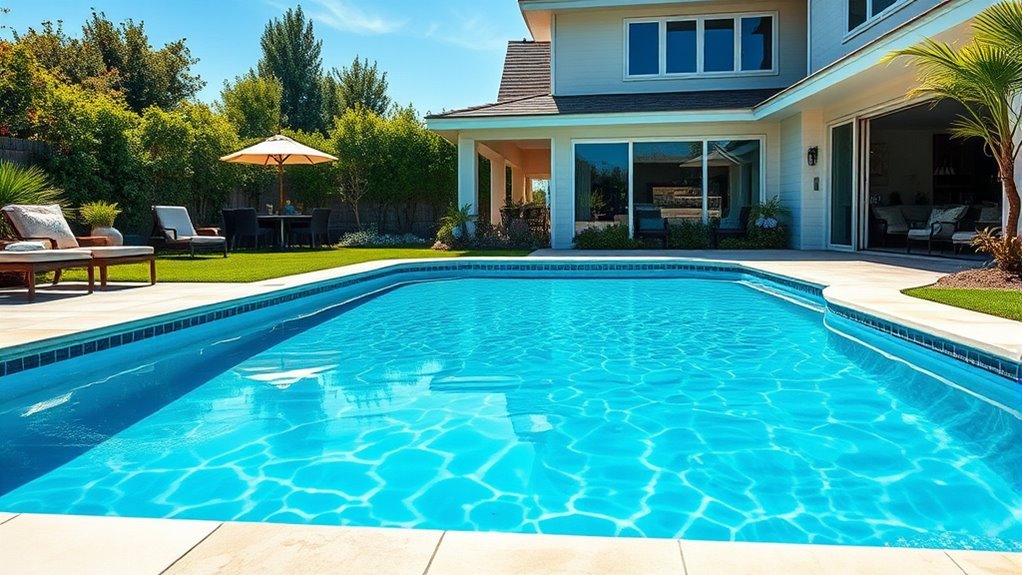
Does a Swimming Pool Increase Home Value?
You can increase your home’s value by adding a well-maintained swimming pool, especially if you live in a warm climate where pools are popular. Swimming pools often enhance curb appeal and create a desirable outdoor living space. A modern, attractive in-ground pool with safety features appeals more to buyers and complements your outdoor space.
However, keep in mind ongoing maintenance costs and insurance considerations might affect buyer interest. Whether a pool adds value largely depends on your region and how well it fits your property. Explore more to see how pools truly impact your home’s market appeal.
Factors Influencing Pool Value Addition
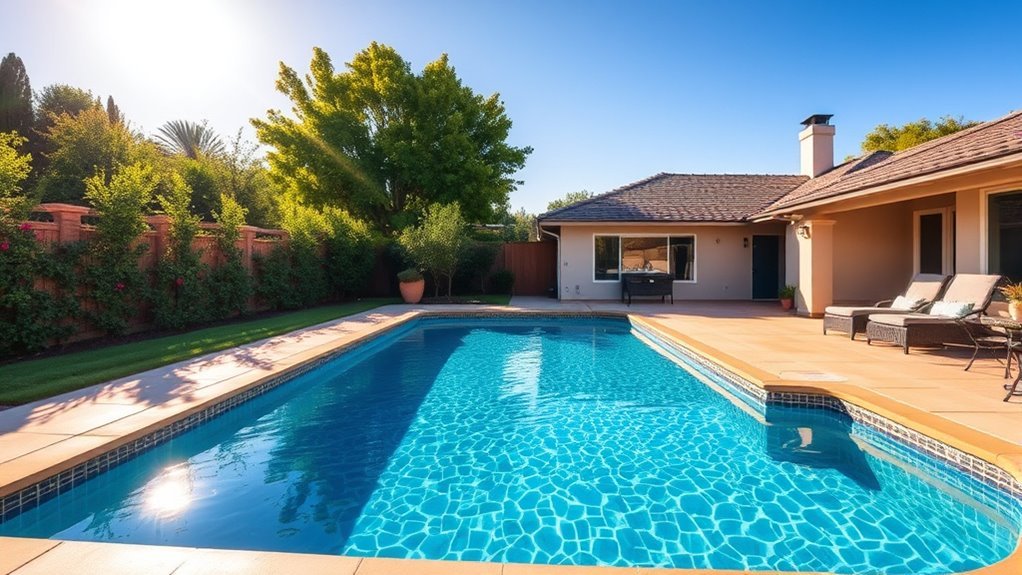
Although a swimming pool can boost your home’s appeal, several factors influence how much value it actually adds. You’ll want to contemplate the pool’s condition. Well-maintained pools attract buyers, while neglected ones can deter them.
The pool’s size and design also matter. A modern, attractive pool is more valuable than an outdated or oversized one that takes up too much yard space.
Safety features, like fences or covers, can increase appeal, especially for families.
Additionally, think about your local climate; pools add more value in warmer areas where they can be used year-round.
Finally, the overall integration of the pool with your landscaping and outdoor living space plays a role. If it complements your home’s style, it’s likely to add more value.
Regional Differences in Pool Popularity
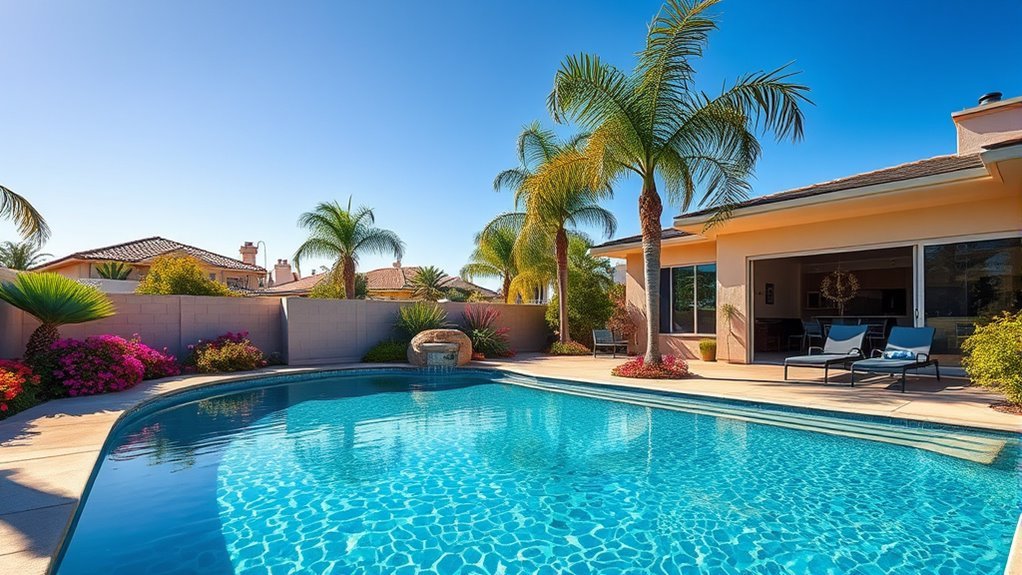
Because climate and lifestyle vary widely across the country, the popularity of swimming pools differs markedly by region.
If you live in warmer areas like the Southwest or Florida, pools are highly sought after, boosting home value considerably.
Buyers in these regions often expect a pool as part of their outdoor living space.
On the other hand, in colder climates such as the Northeast or Midwest, pools are less common and can even be seen as a maintenance burden.
Here, you might find that a pool doesn’t add much value or appeal to potential buyers.
Understanding your local market is key. What works in one region mightn’t in another.
Types of Pools and Their Impact on Home Value
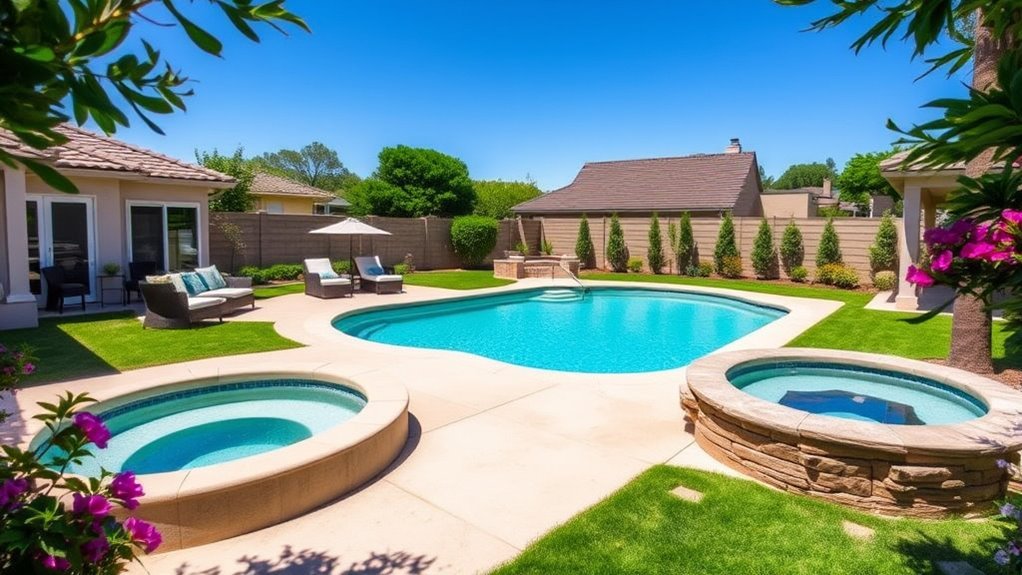
When you choose the type of pool to install, you directly influence how much value it adds to your home. Different pool types attract different buyers and affect your property’s appeal.
Choosing your pool type shapes its value and appeal to potential homebuyers.
- In-ground pools: These are the most popular and often add the most value, especially in warmer climates, due to their aesthetic and permanence.
- Above-ground pools: More affordable but usually add less value, as they’re seen as temporary and less attractive.
- Saltwater pools: Increasingly popular for their softer water and lower chemical use, which can appeal to health-conscious buyers.
- Lap pools: Great for fitness enthusiasts; they can add unique value if your target market includes active homeowners.
Pick the pool type that fits your area and buyer preferences to maximize your home’s value.
Maintenance Costs and Their Effect on Buyer Appeal
Even if a pool boosts your home’s appeal, its upkeep costs can deter potential buyers. You need to factor in expenses like cleaning, chemical balancing, and equipment repairs, which add up.
Some buyers may see these ongoing costs as a hassle, reducing their interest.
| Maintenance Task | Average Cost (Annual) | Buyer Concern Level |
|---|---|---|
| Pool Cleaning | $300 – $800 | High |
| Chemical Supplies | $200 – $400 | Medium |
| Equipment Repairs | $100 – $500 | High |
| Seasonal Opening/Closing | $150 – $400 | Medium |
Safety Considerations and Insurance Implications
Beyond maintenance costs, safety concerns play a big role in how a pool affects your home’s value. Potential buyers often worry about accidents, especially if children are involved, and this can influence their interest.
Safety worries, especially for kids, significantly impact how a pool influences your home’s appeal.
You’ll also find that insurance companies view pools as higher risk, which can increase your premiums.
To manage these concerns, consider:
- Installing secure fencing with self-locking gates
- Adding pool covers and alarms for extra protection
- Posting clear safety rules around the pool area
- Informing your insurance provider about safety measures to possibly reduce rates
How Pools Affect Property Marketability
Although a swimming pool can attract certain buyers, it may also narrow your market by deterring others who see it as a hassle or safety risk.
When selling your home, keep in mind that pools appeal mainly to families with children or those who enjoy outdoor entertaining.
However, some potential buyers might worry about maintenance costs, safety concerns, or increased insurance premiums, which could make your property less appealing to them.
To boost marketability, highlight pool features that add value, like safety fences or energy-efficient equipment.
Also, consider your neighborhood; if pools are common, buyers might expect one, but in areas where they’re rare, a pool might be seen as a burden.
Understanding your target market will help you position your home effectively.
Seasonal and Climate Influences on Pool Desirability
Since you’ll want to maximize your pool’s appeal, it’s important to contemplate how seasonal changes and local climate affect its desirability. A pool’s value can fluctuate considerably depending on where you live and the time of year potential buyers think about purchasing.
Here are four key factors to consider:
- Warm climates boost pool appeal year-round, making them a strong selling point.
- Seasonal climates often limit pool use to warmer months, reducing overall desirability.
- Cold regions may see pools as a liability due to high maintenance and limited use.
- Rainy or humid areas might discourage pool use, impacting buyer interest negatively.
Understanding these influences helps you set realistic expectations about your pool’s impact on home value.
Comparing Pool Installation Costs to Potential Value Increase
When you weigh the costs of installing a swimming pool against the potential boost in your home’s value, it’s crucial to take into account both upfront expenses and long-term returns.
Pool installation typically costs between $30,000 and $70,000, depending on size, materials, and features.
While a well-maintained pool can add value, it often recoups only 50% to 70% of that investment in resale value.
You should also consider ongoing maintenance, insurance, and increased utility costs, which can affect overall financial benefit.
In neighborhoods where pools are common and highly desired, the value increase might be more substantial.
However, if pools are rare or unwelcome due to climate or buyer preferences, the added value may not justify the installation cost.
Make sure to evaluate local market trends before deciding.
Enhancing Curb Appeal With Poolside Landscaping
If you want to maximize your pool’s impact on your home’s appeal, thoughtful poolside landscaping plays a key role. It not only enhances visual charm but also creates a relaxing atmosphere buyers appreciate.
Here’s how you can boost curb appeal with smart landscaping:
- Choose native plants. They thrive with less upkeep and complement your environment.
- Add privacy screens. Use hedges or decorative fences to create a cozy, secluded vibe.
- Incorporate lighting. Soft, well-placed lights highlight the pool area and improve safety.
- Use durable materials. Opt for slip-resistant pavers or natural stone to blend style with function.
Frequently Asked Questions
How Long Does It Take to Recoup Pool Installation Costs in Home Value?
You’ll typically recoup pool installation costs in home value over 7 to 10 years, depending on your location and pool quality.
Keep in mind, maintenance and climate can impact how quickly your investment pays off.
Are There Tax Benefits to Having a Swimming Pool at Home?
You won’t find direct tax benefits from owning a swimming pool, but on the flip side, you might get insurance discounts for safety features. Still, keep in mind, maintenance costs aren’t tax-deductible, so weigh carefully.
Do Pools Increase Home Value More in New Developments or Established Neighborhoods?
You’ll find pools often boost home value more in new developments, where buyers expect modern amenities.
In established neighborhoods, pools might not add as much value unless they fit the area’s style and climate preferences.
What Are the Common Financing Options for Adding a Swimming Pool?
You can finance a pool with personal loans, home equity loans, or lines of credit. Some use credit cards for smaller projects.
Additionally, specialized pool financing or contractor payment plans might be available to suit your budget.
How Does a Pool Affect Home Resale Time Compared to Homes Without Pools?
You might think a pool sells a house faster than a cheetah on roller skates! Actually, pools can extend resale time since some buyers worry about maintenance, but they attract those craving luxury and fun, balancing the wait.
Conclusion
If you’re considering adding a pool, know it can boost your home’s value—especially in warmer regions where 70% of buyers see pools as a big plus. But remember, maintenance and safety matter to buyers, too. Balancing installation costs with potential value increase is key.
With thoughtful landscaping and upkeep, your pool won’t just enhance curb appeal—it can make your home more marketable and enjoyable year-round.
In conclusion, a swimming pool can significantly increase home value when combined with proper maintenance and appealing landscaping. This investment not only improves curb appeal but also makes your property more attractive to potential buyers.