
How Many Swimming Lessons Does a Child Need to Learn to Swim?
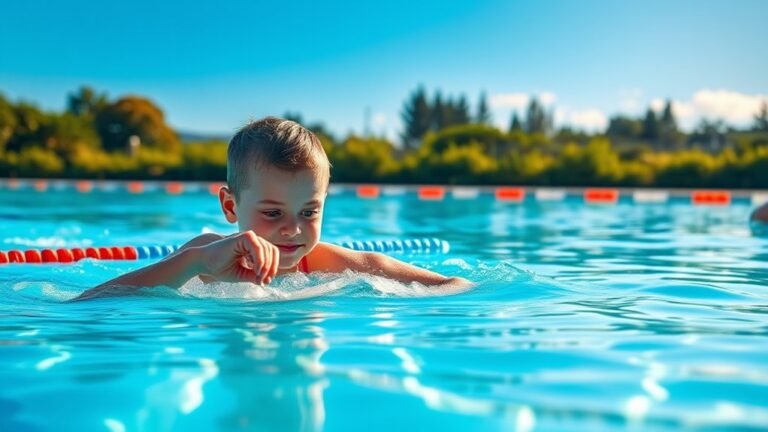
You’ll typically need about 20 to 30 swimming lessons for your child to swim confidently, but this can vary depending on several factors. How many swimming lessons does a child need to learn to swim? It often depends on your child’s age, comfort level in water, coordination, and how frequently they practice.
Younger kids usually focus first on water safety and becoming comfortable in the water. Older children tend to progress more quickly through learning strokes and techniques. Combining formal lessons with regular practice at home or in a pool can significantly boost your child’s progress.
If you want to understand all the details and tips for success, keep exploring further. This way, you can help your child become a confident and safe swimmer in the shortest time possible.
Factors Affecting the Number of Swimming Lessons Needed
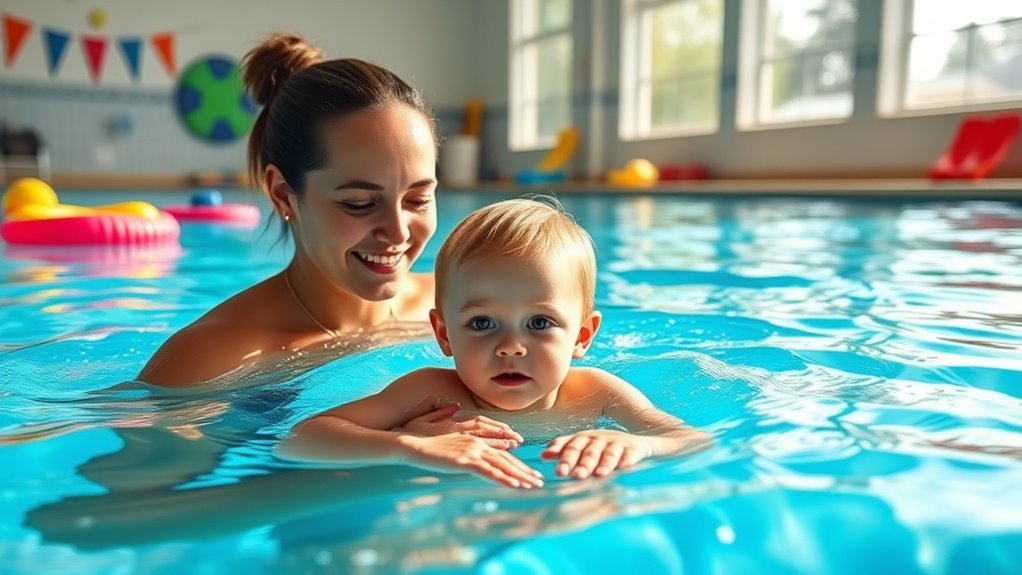
Because every child learns differently, several factors influence how many swimming lessons they’ll need. Your child’s comfort level in the water plays a big role. If they’re fearful, they may require more time to build confidence.
Physical ability also matters; kids with better coordination often pick up skills faster. How often your child attends lessons affects progress too. Regular sessions lead to quicker improvement.
The instructor’s teaching style and class size can impact how effectively your child learns. Additionally, your child’s age influences lesson frequency. Younger children might need more repetition.
Finally, your involvement outside lessons, like practicing water safety at home, can accelerate learning.
Typical Learning Timeline for Young Children

While every child progresses at their own pace, young swimmers typically follow a general learning timeline that helps set expectations for parents.
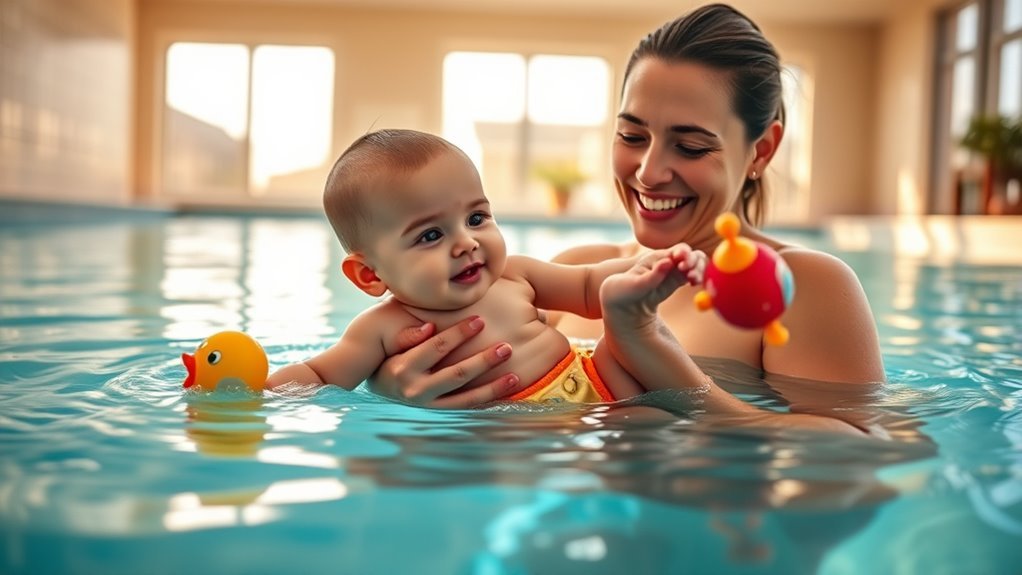
In the first few lessons, your child will get comfortable in the water, learning basic breath control and water safety.
By around 4 to 6 weeks, they’ll start mastering floating and simple kicking techniques.
Between 8 to 12 weeks, your child usually gains confidence with coordinated arm and leg movements, beginning to swim short distances.
After 3 months, many kids can swim independently, though refining strokes and building endurance will continue.
Here’s a rough timeline you might see:
- Weeks 1-3: Water comfort and basic safety
- Weeks 4-6: Floating and kicking
- Weeks 8-12: Coordinated swimming motions
- 3+ months: Independent swimming with ongoing skill development
The Role of Practice Outside of Lessons
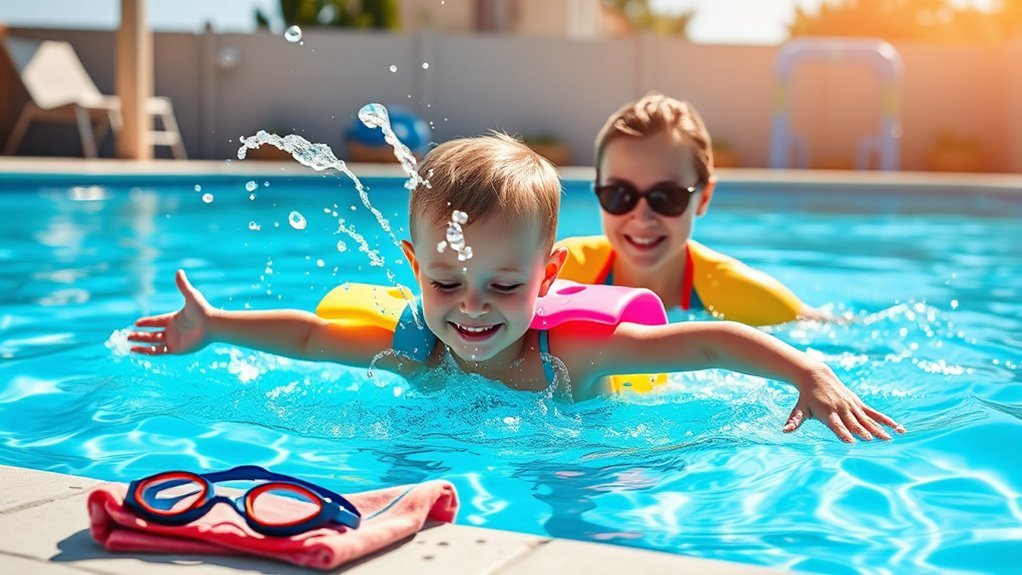
Even if your child attends regular swimming lessons, practicing skills outside the pool can considerably boost their progress. When your child gets extra time to review techniques like kicking or breath control, they reinforce what they’ve learned and build confidence.
Simple activities such as dryland exercises or playing water-safe games at home keep swimming skills fresh and encourage muscle memory. Additionally, informal practice helps your child become comfortable and relaxed around water, reducing fear and anxiety.
You don’t need a formal setting; short, frequent sessions fit easily into your routine and make learning less stressful. By supporting practice outside lessons, you accelerate your child’s ability to swim independently and safely, ensuring lessons aren’t the only moments they develop crucial aquatic skills.
How Age Influences Swimming Skill Development
As children grow, their physical and cognitive abilities change, directly impacting how they learn to swim. When you consider your child’s age, you’ll notice that younger kids often need more repetition and simpler instructions.
Older children usually pick up techniques faster but may require more endurance-building exercises.
Here’s how age influences skill development:
- Toddlers (1-3 years): Focus on water comfort and basic movements.
- Preschoolers (4-5 years): Begin simple strokes and breath control.
- Early school age (6-8 years): Develop coordination and stamina.
- Older children (9+ years): Refine technique and increase swimming distance.
Understanding these stages helps you set realistic expectations and tailor lessons to your child’s developmental needs.
Signs Your Child Is Ready to Progress to Advanced Skills
Recognizing when your child is ready to move beyond basic swimming skills helps you support their growth effectively. Look for signs like confident breath control, smooth coordination of arm and leg movements, and the ability to float or tread water independently.
If your child follows instructions quickly and shows enthusiasm for longer swim sessions, it’s a good indicator they’re ready for more advanced techniques. You might also notice improved stamina and less fear in deeper water.
When your child can combine skills like kicking and breathing without hesitation, it’s time to introduce strokes like freestyle or backstroke. Watching these signs ensures you encourage progress at the right pace, making swimming lessons both safe and rewarding.
Tips for Choosing the Right Swimming Instructor
Choosing the right swimming instructor can make a big difference in your child’s progress and enjoyment. You want someone skilled, patient, and able to connect with your child. Here are some tips to help you choose the best instructor:
Look for certifications from recognized organizations like the American Red Cross or Swim Coaches Association. Check reviews or ask other parents about their experiences.
Observe a trial lesson to see how the instructor interacts with kids. Make sure the instructor tailors lessons to your child’s pace and comfort level.
Frequently Asked Questions
What Safety Equipment Should My Child Wear During Swimming Lessons?
You should have your child wear a properly fitted life jacket or flotation device approved by safety standards, along with swim goggles to safeguard their eyes, and a swim cap if needed.
Always guarantee supervision is present.
How Can I Prevent My Child From Getting Water in Their Ears?
Think of your child’s ears as tiny treasure chests; you protect them by using earplugs or a swim cap to keep water out.
After swimming, gently dry their ears to keep those treasures safe and sound.
Are Group Swimming Lessons More Effective Than Private Ones?
Group lessons can be more effective if your child thrives with peer motivation and social interaction.
But if your child needs personalized attention or has specific fears, private lessons might work better for faster progress.
How Do Swimming Lessons Differ for Children With Special Needs?
Swimming lessons for children with special needs focus on personalized pacing, sensory-friendly environments, and adapted techniques.
You’ll find instructors trained to support unique challenges, ensuring safety, confidence, and skill-building tailored just for your child’s abilities.
What Is the Best Swimwear for Young Children During Lessons?
You’ll want swimwear that’s comfortable, quick-drying, and fits snugly to avoid distractions. Look for UV protection, chlorine-resistant fabric, and secure straps.
Rash guards or swim diapers are great for younger kids during lessons.
Conclusion
You might wonder how many lessons your child truly needs to swim confidently. The truth is, there’s no one-size-fits-all answer—it depends on their age, practice, and comfort in the water. While some kids pick it up quickly, others need more time and encouragement.
Keep watching for signs of progress, and choose an instructor who fits your child’s personality. With patience and the right support, your little swimmer will be confidently gliding through the water before you know it.
Remember, the number of swimming lessons a child needs varies widely, but consistent practice and positive reinforcement are key to helping them learn to swim effectively.