What Age Can You Start Swimming Lessons
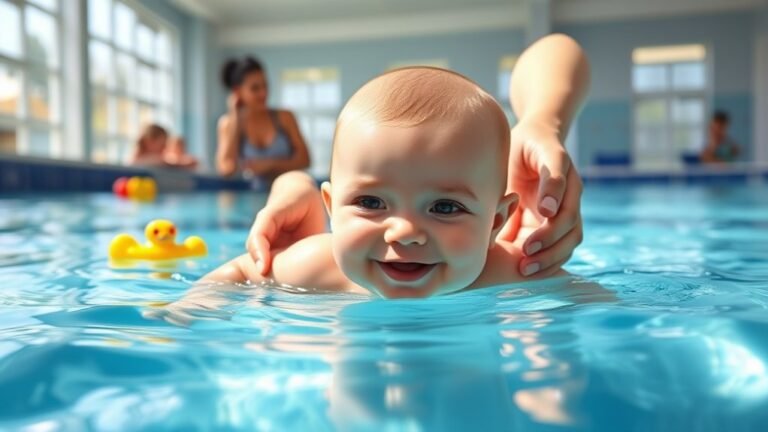
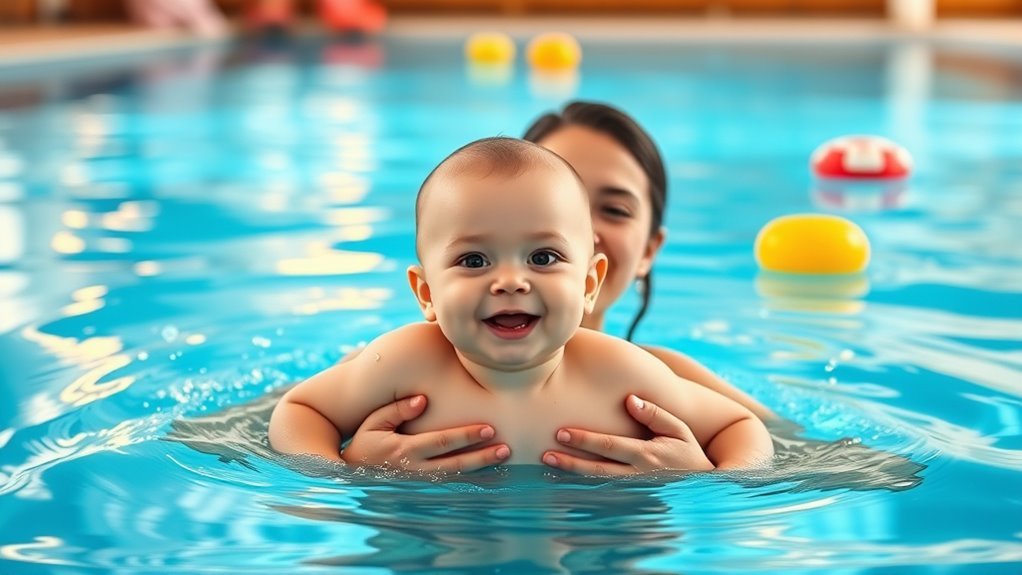
You can start swimming lessons with your child as early as six months old through parent-child classes that focus on water comfort and safety. These early classes help introduce your baby to the water in a gentle, supportive environment.
Around age three or four, your child can begin structured lessons to learn basic swimming techniques. Look for signs like curiosity about water and calmness in the pool to know when they’re ready for more formal instruction.
Preparing them with the right gear and a safety mindset is essential for a positive experience. Keep going to discover more tips and guidance for your child’s swim journey.
Benefits of Early Swimming Lessons
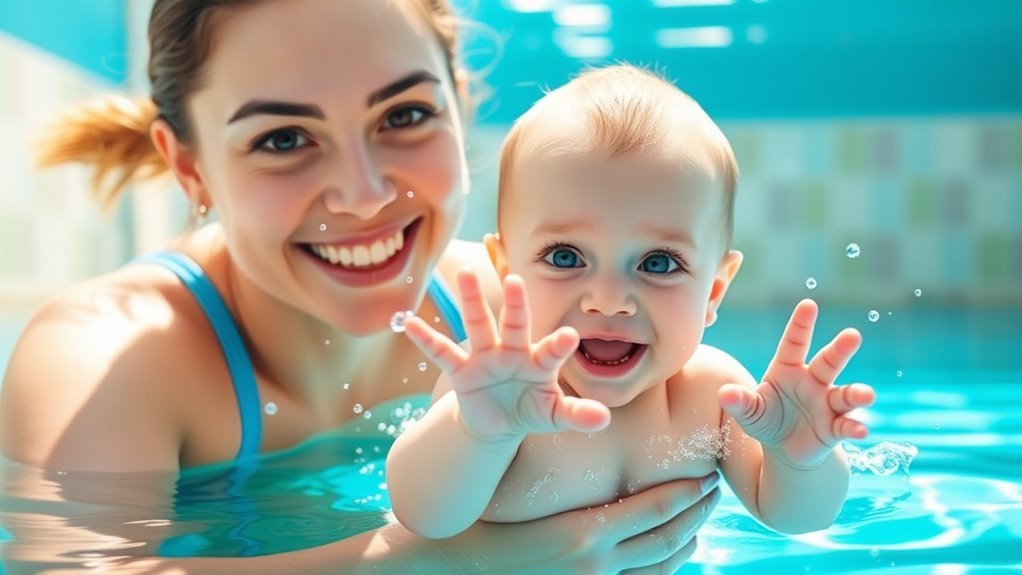
Although you might think swimming lessons are best for older children, starting early offers significant benefits. When you introduce your child to swimming at a young age, you build their water confidence and comfort, reducing fear around water.
Early lessons also promote physical development, enhancing coordination, balance, and strength. You’ll notice that kids who learn to swim young tend to pick up skills faster and retain them better.
Early swimming lessons boost coordination, balance, and strength, helping children learn and remember skills more quickly.
Plus, early exposure encourages safety awareness, which is essential for preventing accidents.
Beyond safety, swimming supports cognitive growth by stimulating brain development through sensory and motor experiences. By starting lessons early, you set your child up for a lifelong love of swimming and healthy exercise habits.
This early foundation can make all the difference as they grow.
Recommended Starting Ages by Experts
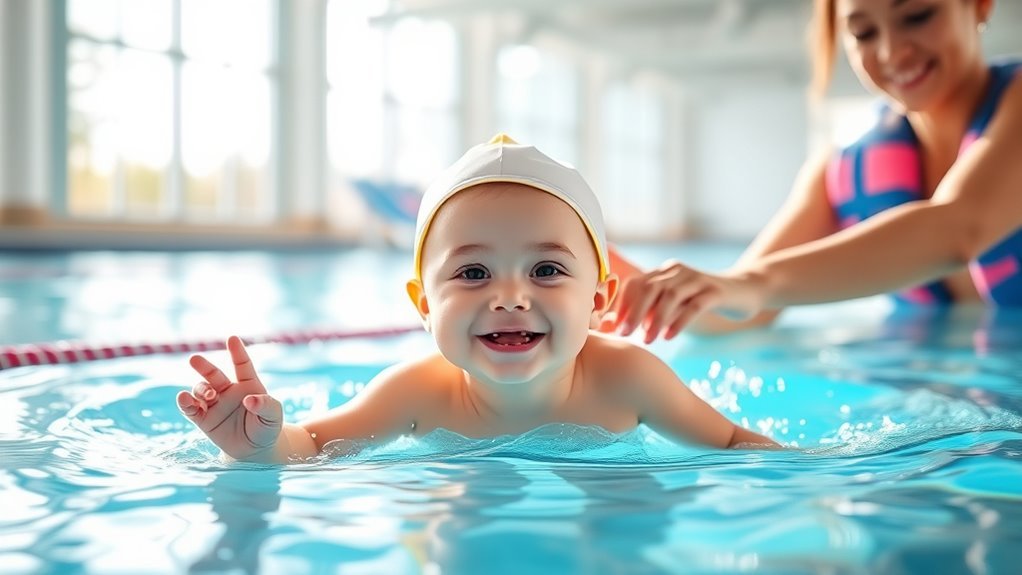
When deciding the best age to start swimming lessons, experts recommend beginning as early as six months old with parent-and-child classes to build comfort in the water. These classes focus on water safety and familiarization rather than formal swimming skills.
Around age three to four, you can enroll your child in more structured lessons, where instructors introduce basic swimming techniques and water safety skills.
By age five, many kids are ready for group lessons that emphasize stroke development and endurance.
Keep in mind, every child develops at their own pace, so adjust accordingly. Starting early helps build confidence and reduces fear, but it’s vital to choose age-appropriate classes to guarantee your child stays safe and enjoys the experience.
Signs Your Child Is Ready for Swimming Lessons
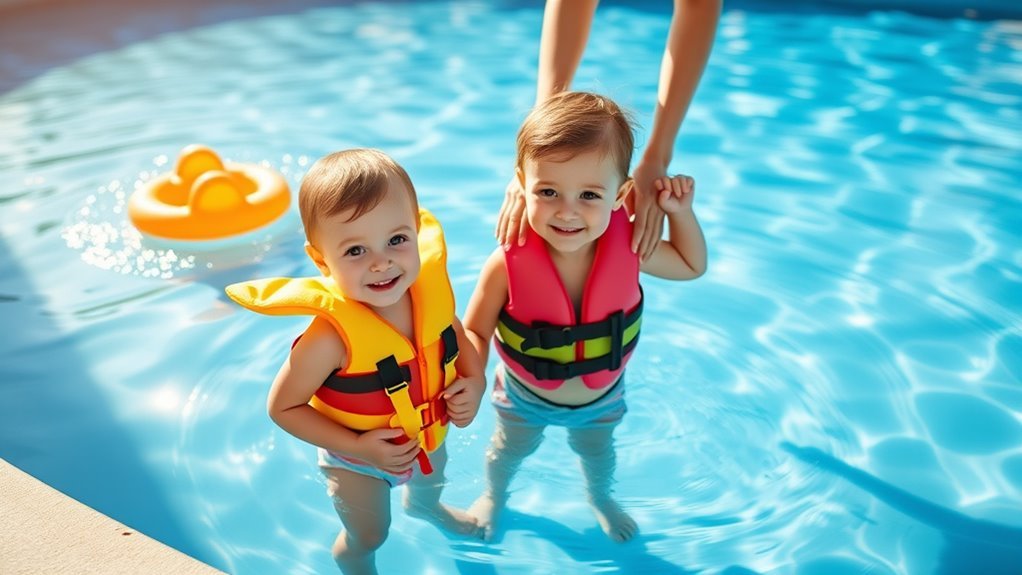
If your child shows curiosity about the water and can follow simple instructions, they might be ready to start swimming lessons. Look for signs like comfort around water, willingness to put their face in the water, and the ability to stay calm in a pool setting.
Notice if they respond well to gentle guidance and can focus for short periods. Physical readiness is important too—check if they’ve enough muscle control to kick and paddle.
Emotional readiness matters; your child should show enthusiasm rather than fear. When your child can communicate needs and listen to safety rules, they’re better prepared for lessons.
These signs help guarantee a positive and safe introduction to swimming, making the experience enjoyable and productive for both of you.
Preparing Your Child for Their First Swimming Class
Before your child’s first swimming class, you can set them up for success by gathering the right gear and discussing what to expect. Make sure they’ve a comfortable swimsuit, a towel, goggles, and a swim cap if required.
Prepare your child with the right gear and a clear idea of what to expect for their first swim class.
Explain the class structure in simple terms, so they know there will be fun activities and time to get used to the water. Encourage them to listen carefully and follow the instructor’s directions.
You might also visit the pool area beforehand to familiarize your child with the environment, which can ease anxiety. Remind them that it’s okay to feel nervous and that the goal is to enjoy learning.
Your positive attitude will help boost their confidence and make the experience enjoyable right from the start.
Safety Tips for Swimming With Young Children
Although swimming with young children can be a fun bonding experience, you need to stay vigilant and prioritize safety at all times. Always supervise closely, never leaving your child unattended near water.
Equip your child with proper flotation devices and teach them basic water safety rules early on. Keep swim sessions short to prevent fatigue and watch for signs of discomfort.
| Safety Tip | Why It Matters |
|---|---|
| Constant Supervision | Prevents accidents and drowning |
| Use Flotation Devices | Provides extra buoyancy |
| Teach Safety Rules | Builds awareness and caution |
| Limit Swim Time | Avoids exhaustion and hypothermia |
Frequently Asked Questions
What Equipment Do I Need for My Child’s Swimming Lessons?
You’ll need a well-fitting swimsuit, swim cap, goggles, and a towel. Consider water shoes for slippery areas and earplugs if your child’s sensitive.
Also, bring a swim bag to keep everything organized and ready for lessons.
How Often Should My Child Attend Swimming Lessons Each Week?
Think of swimming lessons as planting seeds; you should attend two to three times a week to let your child’s skills blossom.
This frequency helps build confidence while keeping the experience fun and engaging for them.
Are Private or Group Swimming Lessons Better for Beginners?
Private lessons are better if you want personalized attention and faster progress, while group lessons offer social interaction and are more affordable.
It depends on your child’s learning style, confidence, and your budget. Choose what fits best!
Can Swimming Lessons Help With Water Confidence and Fear?
Think of swimming lessons as a sturdy bridge over a rushing river;
they absolutely help you build water confidence and overcome fear.
With practice and support, you’ll feel safer, more in control,
and ready to swim freely.
What Qualifications Should Swimming Instructors Have for Young Children?
You should look for instructors with certifications like the American Red Cross or Swim England, plus pediatric first aid training.
They’ll have experience teaching young kids safely while building your child’s confidence in the water.
Conclusion
Starting swimming lessons early can give your child a head start on water safety and confidence. Experts suggest beginning around 1 year old, but watch for signs that your little one is ready and comfortable. Preparing them gently will make the first class a splash.
Remember, every child’s timing is different—don’t rush the process. With patience and care, you’ll help your child plunge into swimming skills that’ll serve them for life, turning the tide in their favor.
When considering what age can you start swimming lessons, keep in mind that readiness varies. Starting at the right time ensures a positive experience and builds a strong foundation for lifelong swimming enjoyment and safety.