How Long Does a Spray Tan Last Swimming in a Pool?
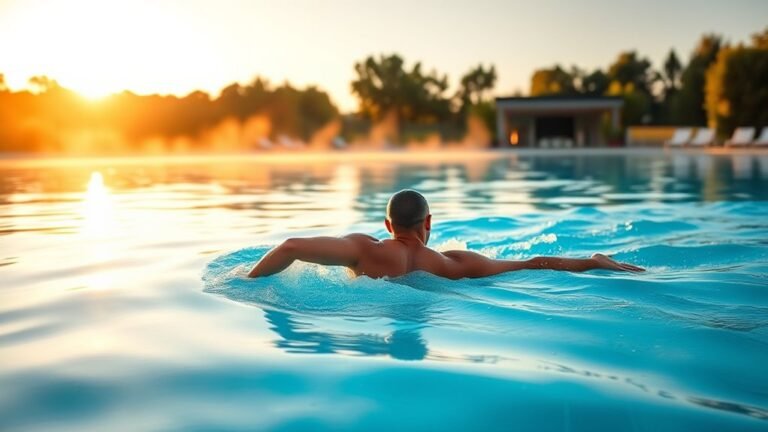
If you swim in a chlorinated pool, your spray tan will start fading noticeably after just one swim because chlorine breaks down the tan’s pigments quickly. Chlorinated water is harsh and accelerates the fading process, making it challenging to maintain a fresh spray tan for long.
Saltwater pools are gentler on your skin, but frequent or prolonged swimming sessions can still cause your tan to fade faster than usual. To keep your spray tan looking fresh and vibrant, try to limit your time in the water.
Always rinse off chlorine promptly after swimming and moisturize well to help protect your tan. Want to learn how to protect and extend your spray tan even when hitting the pool often?
What Is a Spray Tan and How Does It Work?

Although you might think a spray tan is just a quick cosmetic fix, it actually involves a chemical process that temporarily darkens your skin. When you get a spray tan, a technician sprays a fine mist containing dihydroxyacetone (DHA) onto your skin.
This colorless sugar reacts with the amino acids in the outermost layer of your skin, producing a browning effect similar to a natural tan. The DHA doesn’t penetrate deep, so it’s safe and non-toxic.
You’ll notice your skin gradually darkens over several hours after application. This tan isn’t a stain or dye but a result of this chemical reaction. Since it affects only the dead skin cells on the surface, the tan fades as those cells naturally shed over time.
Factors That Affect Spray Tan Longevity
Since spray tans rely on a chemical reaction with your skin’s surface, several factors can influence how long your tan lasts. Your skin type plays a big role. Oily skin can cause the tan to fade faster, while dry skin may hold the color longer.
How well you prep your skin before tanning matters too; exfoliating removes dead skin cells and helps the tan adhere evenly.
Aftercare is vital: moisturizing daily keeps your skin hydrated, preventing premature fading.
Activities that cause excessive sweating or friction, like intense workouts or tight clothing, can wear down your tan quicker.
Additionally, the quality of the spray tan solution and the skill of the technician applying it affect longevity.
Paying attention to these factors will help you get the most out of your spray tan.
The Impact of Chlorinated Pool Water on Spray Tans
When you swim in a chlorinated pool, the chemicals can break down the spray tan’s color molecules, causing your tan to fade faster than usual. Chlorine is a strong oxidizer that interacts with the DHA (dihydroxyacetone) in your spray tan, accelerating its breakdown.
This means your once-glowing tan can lose its richness and even develop uneven patches after just a few swims. To protect your tan, try rinsing off immediately after swimming to remove residual chlorine and pat your skin dry gently without rubbing.
Applying a moisturizer afterward can also help maintain your tan’s hydration and prolong its vibrancy. While chlorine exposure isn’t completely avoidable if you love swimming, being mindful of these steps will help you keep your spray tan looking fresh longer.
How Saltwater Pools Influence Spray Tan Durability
If you enjoy swimming in saltwater pools, you might wonder how they affect your spray tan. Unlike traditional chlorinated pools, saltwater pools use dissolved salt to sanitize the water, which tends to be gentler on your skin and spray tan.
This means saltwater is less likely to strip away your tan quickly. However, salt can still cause some fading, especially if you swim frequently or stay in the water for long periods.
To protect your spray tan, rinse off with fresh water immediately after swimming to remove salt residue. Also, moisturizing regularly helps maintain your tan’s vibrancy.
While saltwater pools are kinder than chlorinated ones, they still influence your spray tan’s durability, so taking care post-swim is essential to prolong that sun-kissed glow.
Effects of Swimming Duration on Spray Tan Fading
Saltwater pools may be gentler on your spray tan, but the amount of time you spend swimming still plays a big role in how quickly your tan fades.
The longer you stay in the water, the more your tan is exposed to moisture, which can break down the DHA, the active ingredient in spray tans.
Even in saltwater, extended swimming leads to increased skin exfoliation and rinsing off of the tan’s top layer.
Short dips might only cause minor fading, but swimming for 30 minutes or more accelerates the tan’s breakdown.
So, if you want your spray tan to last, keep an eye on how long you’re in the pool.
The less time you spend swimming, the longer your tan tends to hold up.
Tips to Protect Your Spray Tan While Swimming
To keep your spray tan looking fresh while enjoying the pool, you’ll want to take a few simple precautions. Protecting your tan means minimizing exposure to harsh elements and friction that can cause fading. Here are some effective tips:
Rinse off with fresh water before swimming to reduce chlorine absorption.
Apply a waterproof barrier cream or lotion to shield your skin.
Limit time spent in the water to prevent excessive pigment loss.
Avoid scrubbing your skin with towels or rough clothing right after swimming.
Best Practices for Aftercare Post Swimming
Though swimming can be invigorating, it’s important to care for your spray tan immediately afterward to maintain its vibrancy. Once you get out of the pool, gently pat your skin dry instead of rubbing it. Rubbing can cause premature fading or patchiness.
Avoid hot showers right after swimming; opt for a lukewarm rinse to help preserve the tan. Moisturize your skin promptly with a hydrating, fragrance-free lotion to lock in moisture and keep your tan looking fresh.
Refrain from using harsh exfoliants or scrubs for several days post-swim, as they can strip away your tan.
Finally, wear loose clothing to prevent friction on your skin, which can also dull the tan’s appearance. Following these steps helps extend the life of your spray tan after swimming.
Products That Help Extend Spray Tan Life in Water
Maintaining your spray tan’s glow after swimming often requires more than just careful aftercare. You’ll want to use products designed to protect and prolong your tan, especially when exposed to chlorinated or salt water. Look for formulations that lock in moisture and shield your skin from harsh elements.
Here are some key products to contemplate:
- Water-resistant moisturizers: They keep your skin hydrated without washing away your tan.
- Tan-extending lotions: Specifically formulated to maintain and deepen your spray tan.
- Gentle body washes: Sulfate-free options help prevent fading.
- SPF sprays or lotions: Protect your tan from sun damage, which can cause it to fade faster.
Using these products consistently will help you enjoy a longer-lasting, vibrant spray tan even after swimming.
When to Schedule Your Spray Tan Around Swimming Plans
If you plan to swim shortly after your spray tan, you’ll want to carefully time your appointment to protect your skin and maximize your tan’s longevity. Ideally, schedule your spray tan at least 24 hours before swimming to allow the tan to fully develop.
Avoid swimming within the first 8 hours as water can wash away the solution before it sets. If you swim regularly, plan touch-ups accordingly to maintain an even glow.
| Time Before Swim | Tan Status | Recommendation |
|---|---|---|
| 0-8 hours | Wet solution | Avoid swimming |
| 8-24 hours | Developing tan | Minimal water exposure |
| 24-72 hours | Fully developed | Normal swimming okay |
| 3-5 days | Fading begins | Moisturize and protect |
| 5+ days | Tan fading | Consider a touch-up |
Frequently Asked Questions
Can a Spray Tan Cause Skin Allergies or Irritation?
Yes, a spray tan can cause skin allergies or irritation, especially if you have sensitive skin or allergies to ingredients. Always do a patch test first, and if you notice redness or itching, stop using it immediately.
It’s important to check the ingredient list to avoid known allergens. If you have a history of skin reactions, consult a dermatologist before trying a spray tan. Proper aftercare can also help minimize irritation.
How Soon After Spray Tanning Is It Safe to Shower?
Just like waiting for paint to dry, you shouldn’t shower for at least 8 hours after your spray tan.
This lets the color develop fully, ensuring you get that flawless, sun-kissed glow you’re aiming for.
Do Spray Tans Stain Swimwear or Towels?
Spray tans can sometimes stain swimwear or towels, especially if the tan hasn’t fully developed or dried. To avoid this, wait the recommended time before swimming, and rinse swimwear promptly after use to minimize staining.
It’s important to follow the aftercare instructions provided with your spray tan to reduce the chance of staining. Using dark-colored swimwear and towels can also help conceal any minor discoloration.
If staining occurs, washing the affected items promptly with a gentle detergent may help remove the tan residue. Taking these precautions can help you enjoy your spray tan without worrying about stains.
Can Diet Affect the Longevity of a Spray Tan?
When you sip vibrant green smoothies, your spray tan may last longer because antioxidants support skin health.
Is It Safe to Spray Tan During Pregnancy?
Yes, you can safely get a spray tan during pregnancy since it doesn’t involve harmful UV rays. Just make sure the salon uses non-toxic, pregnancy-safe solutions and ventilates well to keep you comfortable throughout the process.
Conclusion
Just like a summer sunset fades too soon, your spray tan can disappear faster if you’re swimming often, especially in chlorinated pools. Swimming frequently exposes your skin to chemicals that can break down the tan quicker than usual.
But don’t let that stop you from diving in—by protecting your glow with smart aftercare and timing your tan right, you can keep that sun-kissed radiance shining longer. Using moisturizing lotions and avoiding harsh scrubs will help maintain your spray tan.
Embrace the water, enjoy the moment, and let your spray tan last as beautifully as a treasured memory. Remember, proper aftercare is key to making your spray tan last while swimming in a pool.