7 Steps to Waterproof a Cast for Swimming
To waterproof your cast for swimming effectively, it is essential to understand the type of cast you have and assess its condition first. This will help you select the appropriate waterproofing method and materials. Waterproof covers, tape, and sealants are key tools you will need to gather before starting.
Begin by cleaning and drying your cast thoroughly, making sure there is no moisture trapped inside. Next, apply a waterproof sealant evenly over the cast surface. After the sealant dries, cover the cast with plastic wrap or a specialized waterproof cast cover designed for swimming.
Secure all edges tightly using waterproof tape to prevent any water from leaking in. To ensure the cast is fully protected, test it by briefly submerging it in water and checking for any moisture entry. Following these steps closely will help you achieve reliable water protection for your cast, making swimming safer and more enjoyable.
Assess the Type of Cast

Before you begin waterproofing, you need to assess the type of cast you have. Different casts require different waterproofing methods. For example, fiberglass casts are more water-resistant than plaster casts but still need protection.
Plaster casts soak up water easily, so you’ll want extra caution to avoid damage.
Next, check the cast’s condition, looking for cracks or soft spots that could worsen if exposed to water.
Consider how long you’ve had the cast; newer casts might be more sensitive to moisture.
Also, identify the cast’s location on your body. A hand or foot cast will need a different approach than an arm or leg cast because of shape and movement.
Once you understand your cast type, you’ll be ready to choose the right waterproofing method.
Gather Waterproofing Materials
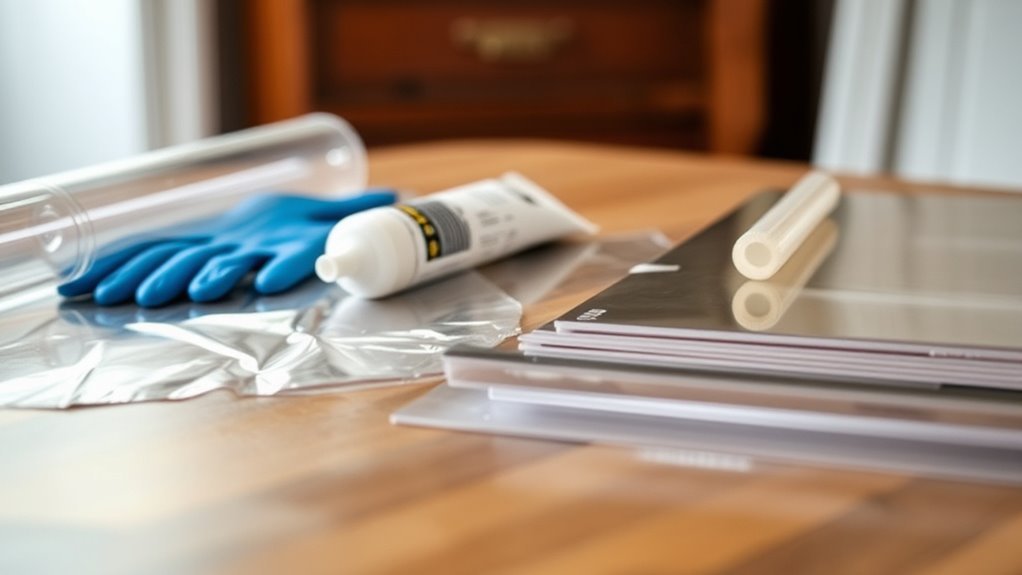
To waterproof your cast effectively, you’ll need to gather a few essential materials. Start with a waterproof cast cover designed specifically for swimming. These covers are usually made from durable, flexible materials like latex or silicone, providing a tight seal to keep water out.
Next, pick up waterproof tape or medical adhesive tape to secure any loose edges and reinforce the seal around the cover’s openings. You might also want to have plastic wrap or a heavy-duty plastic bag on hand for extra protection or backup.
Finally, keep some scissors nearby to trim tape or plastic to the right size. Having all these materials ready ensures you can create a reliable barrier, protecting your cast and allowing you to enjoy swimming safely.
Clean and Dry the Cast Thoroughly
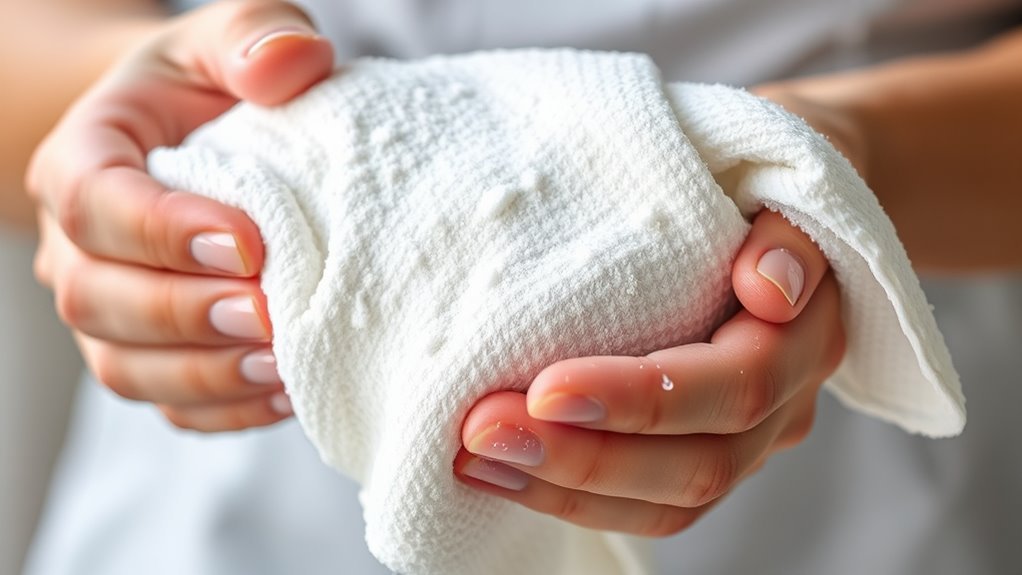
Although it might seem simple, cleaning and drying your cast thoroughly is essential to prevent moisture from getting trapped inside. Start by gently wiping the cast surface with a damp cloth to remove any dirt, sweat, or oils.
Thoroughly clean and dry your cast to prevent moisture buildup and potential skin irritation.
Avoid soaking the cast or using harsh chemicals that could damage it. Next, use a dry towel to pat the cast completely dry, paying close attention to all crevices and edges.
You can also use a hairdryer on a cool setting to ensure every bit of moisture evaporates. Remember, even a small amount of trapped moisture can cause skin irritation or mildew under the cast, so don’t rush this step.
Taking your time here sets the foundation for effective waterproofing.
Apply a Waterproof Sealant or Cover
How do you make certain your cast stays dry while swimming? Start by applying a waterproof sealant or cover designed specifically for casts. These products form a protective barrier that prevents water from seeping in.
Before applying, ensure your cast is completely clean and dry. Gently brush or spray the sealant evenly over the entire cast surface, paying close attention to edges and seams where water might enter.
Let the sealant dry fully according to the manufacturer’s instructions, usually 10 to 15 minutes. Some sealants offer a flexible, rubberized coating that enhances durability and water resistance.
Using a waterproof cover in combination with the sealant can provide extra protection. Applying this layer properly is essential to keeping your cast dry and safe while you enjoy swimming.
Use a Protective Plastic Wrap or Bag
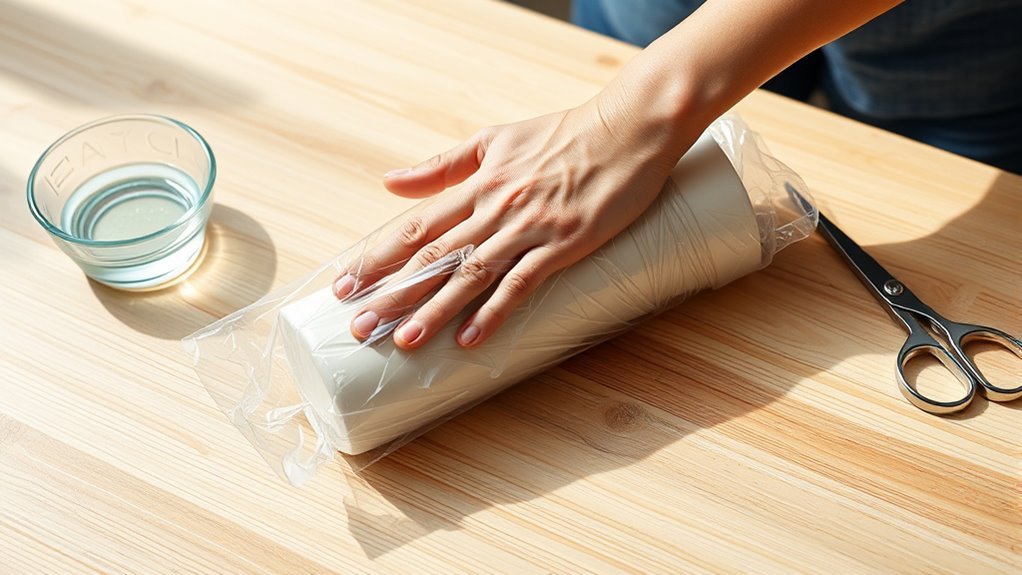
When you want to keep your cast dry during swimming, using a protective plastic wrap or bag adds an extra layer of defense against water. Choose a plastic wrap or bag that’s large enough to cover your entire cast without leaving gaps.
Slip the plastic over your cast carefully, making sure it fully encloses the area. This wrap acts as a barrier, preventing water from seeping in through small holes or weak spots in the sealant.
You can use specialized cast covers or heavy-duty plastic bags, but ensure the material is thick enough to resist tearing. Remember, the plastic wrap is your first line of protection, so handle it gently to avoid punctures.
This step helps maintain dryness and protects your cast while you enjoy swimming.
Secure the Waterproof Cover With Tape
Why is securing the waterproof cover with tape so important? Without a tight seal, water can sneak in and ruin your cast. You’ll want to make sure the cover stays firmly in place throughout your swim. Here’s how tape helps:
Securing the waterproof cover with tape is crucial to keep your cast dry and firmly in place during swimming.
- Creates a watertight barrier around the edges
- Prevents the cover from slipping off during movement
- Adds extra security especially around vulnerable points
- Helps extend the life of the protective wrap
When taping, wrap snugly but avoid cutting off circulation. Use waterproof tape designed for skin or medical use to ensure safety and durability. Secure all openings and overlaps thoroughly for the best protection.
This step is essential to keep your cast dry and intact while you enjoy the water.
Test the Waterproofing Before Swimming
Before you plunge in, you need to test the waterproofing to make sure no water can get through. Start by gently submerging the cast-covered limb in a sink or bathtub filled with water. Keep it underwater for a few minutes, then carefully remove it and dry the surface.
Check inside the cast for any signs of moisture or dampness. If you notice even a small amount of water, the seal isn’t tight enough. Adjust the tape or replace the cover if needed, then test again.
Don’t rush this step. Ensuring a secure waterproof barrier protects your skin and helps your cast stay intact. Only once you’re confident the cast stays dry should you take the plunge and swim safely.
Frequently Asked Questions
Can I Swim With a Cast Made of Plaster or Fiberglass?
You shouldn’t swim with a plaster or fiberglass cast unless it’s properly waterproofed. Water can weaken plaster and cause skin irritation, while fiberglass might handle moisture better but still risks damage without protection.
How Long Should I Wait After Applying Waterproofing Before Swimming?
You should wait at least 24 hours after applying waterproofing before swimming. This guarantees the sealant fully dries and bonds properly, keeping your cast dry and protected.
Waiting this amount of time allows the waterproofing to set completely, ensuring maximum effectiveness. Enjoy the water without risking damage to your cast or the sealant.
Are There Any Risks of Swimming With a Cast Despite Waterproofing?
Swimming with a cast, even waterproofed, isn’t risk-free—you could still face skin irritation or infection worse than a shark attack.
You should always check for leaks and follow your doctor’s advice to stay safe and dry.
Can Children Safely Use These Waterproofing Methods on Their Casts?
Yes, you can safely use waterproofing methods on children’s casts, but you should supervise them closely. Make sure the seal stays intact and check for any irritation or moisture inside the cast to prevent complications.
How Do I Clean My Cast After Swimming in a Pool or Ocean?
You should rinse your cast with fresh water immediately after swimming to remove chlorine or salt. Pat it dry gently with a towel, avoid rubbing, and let it air dry completely to prevent irritation or damage.
Be careful not to soak the cast for too long, as prolonged moisture can weaken the material. If you notice any unusual odor or discomfort, contact your healthcare provider.
Using a hairdryer on a cool setting can help speed up the drying process if needed. Always follow your doctor’s specific instructions regarding cast care after swimming.
Conclusion
Now that you know how to waterproof your cast in 7 simple steps, you’re ready to enjoy swimming without worry. Did you know nearly 60% of people with casts avoid water activities because they fear damage?
By properly sealing your cast, you can join the fun and stay active while protecting your healing bone. Just follow these steps carefully, and you’ll keep your cast dry and intact every time you hit the pool.
Waterproof your cast effectively to ensure it remains protected during water activities. Stay confident and enjoy swimming safely with a well-sealed cast!