3 Key Factors That Determine How Much to Build a Swimming Pool
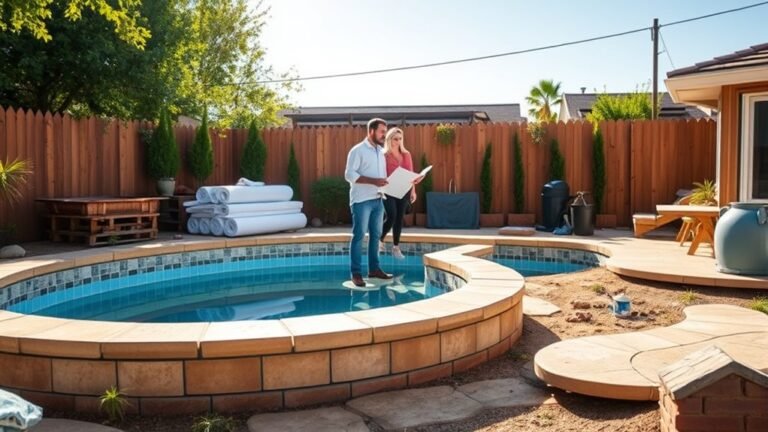
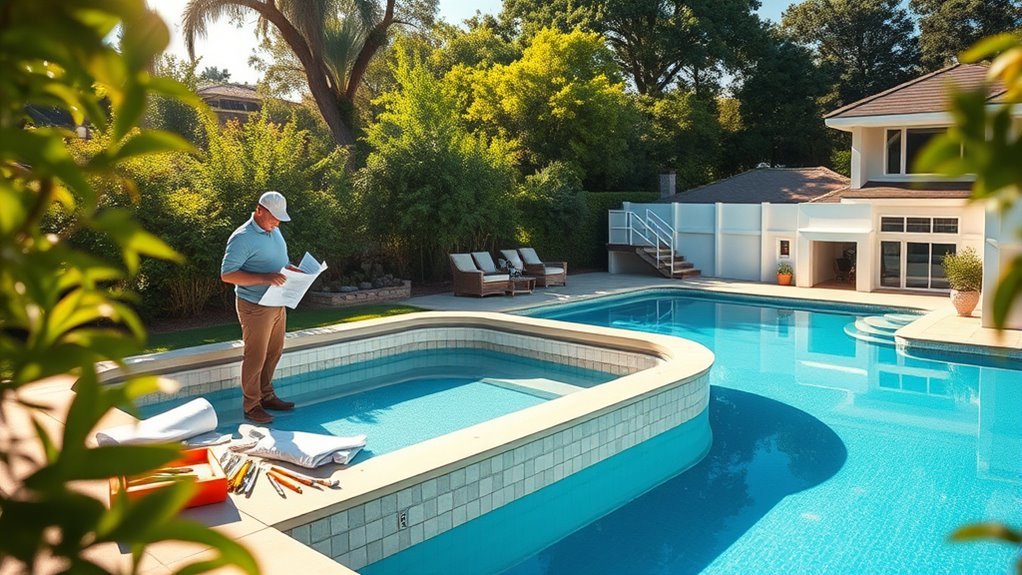
When figuring out how much it’ll cost to build your swimming pool, start by considering its size and shape—bigger or custom designs typically mean higher expenses. These 3 key factors that determine how much to build a swimming pool will guide your budgeting and planning.
Next, look at materials and construction methods: concrete pools cost more but last longer, while vinyl and fiberglass are cheaper but have their trade-offs. Finally, don’t forget additional features and landscaping; extras like lighting or waterfalls raise the price but boost enjoyment and value.
Keep exploring, and you’ll find helpful tips to make smart choices.
Pool Size and Shape

When choosing your pool size and shape, consider how you’ll use the space and the available yard area. If you want a pool mainly for laps, a long, narrow design suits you best.
For family fun or entertaining, a wider, irregular shape provides more lounging and playing room.
You’ll also want to think about how much yard you can spare without overcrowding your outdoor space. Keep in mind the pool’s placement affects sunlight exposure, privacy, and ease of access.
Don’t forget about local regulations or HOA rules that might limit your pool’s dimensions.
Balancing your lifestyle needs with practical space constraints ensures your pool fits perfectly and serves you well for years to come.
Materials and Construction Methods

Choosing the right materials and construction methods shapes not only your pool’s appearance but also its durability and maintenance needs.
Selecting materials and methods determines your pool’s look, longevity, and upkeep requirements.
You can choose from concrete, vinyl, or fiberglass pools, each offering distinct benefits.
Concrete pools provide maximum customization and long-lasting strength but require more upkeep. Vinyl pools are budget-friendly and quick to install, though their liners may need replacement every 7–15 years. Fiberglass pools come pre-molded, allowing for faster installation and low maintenance, but they offer limited shapes and sizes.
Construction methods also impact cost and timeline. Shotcrete or gunite methods are common for concrete pools, giving you flexibility in design. Vinyl pools rely on steel or polymer frames, while fiberglass pools are installed as single units.
Your choice should align with your budget, desired pool lifespan, and how much effort you want to invest in maintenance.
Additional Features and Landscaping

Although the pool’s size and materials set the foundation, adding features and landscaping can transform your backyard into a personal oasis. Consider including waterfalls, lighting, or built-in seating to enhance both functionality and aesthetics.
These additions may increase your overall costs but will boost enjoyment and property value. Landscaping around the pool also matters. Plants, decking, and privacy screens create a cohesive and inviting space.
When planning, think about maintenance needs and how each element complements your lifestyle. You don’t want a beautiful pool area that’s difficult to care for or doesn’t match your outdoor living preferences.
Balancing these features with your budget and the pool’s size ensures you build not just a pool, but a space you’ll love spending time in every day.
Frequently Asked Questions
How Long Does It Take to Build a Swimming Pool?
It usually takes you about 6 to 12 weeks to build a swimming pool, depending on the type, size, and weather.
You’ll want to plan for inspections and curing time to make sure everything’s perfect before swimming.
What Permits Are Required for Pool Construction?
You’ll need permits like building, electrical, and plumbing—sometimes more than a novel’s worth of paperwork!
Check with your local city or county office; they’ll guide you through the exact permits required for your pool construction.
How Much Does Pool Maintenance Typically Cost Annually?
You’ll typically spend $1,200 to $1,800 annually on pool maintenance, covering chemicals, cleaning, and equipment upkeep. Costs can vary based on pool size, usage, and whether you hire professionals or do it yourself.
Additional factors such as climate and pool type can also influence the overall expense. Regular maintenance helps prevent costly repairs down the line.
Are There Financing Options Available for Pool Installation?
Yes, you can find financing options like personal loans, home equity loans, or specialized pool financing. Many companies offer payment plans, so you can spread out the cost and enjoy your new pool without a big upfront payment.
These options make it easier to manage the expense and get your pool installed sooner. Be sure to compare rates and terms to find the best fit for your financial situation.
What Is the Best Time of Year to Build a Pool?
Wondering when’s the best time to build a pool? You’ll want to start in late spring or early summer when the weather’s warm and dry.
This helps prevent delays and guarantees faster construction.
Conclusion
When deciding how much to build your swimming pool, picture the perfect retreat in your backyard—its size and shape fitting just right, like a calm oasis. Think about the materials and construction methods as the sturdy foundation holding your dreams together.
Finally, imagine the additional features and landscaping framing your pool like a beautiful painting. By balancing these elements, you’ll create a space that reflects your vision and brings endless enjoyment.
Considering size, materials, and added features will help you determine the overall cost and design. These key factors ensure your swimming pool investment aligns perfectly with your needs and budget.