
Can You Swim With a Pad?
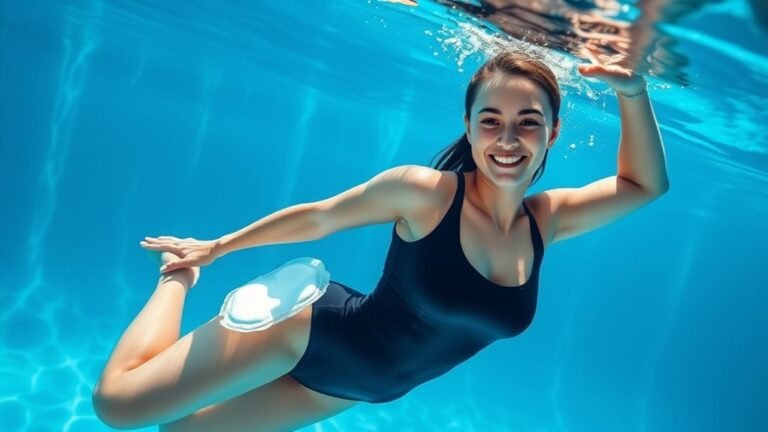
You shouldn’t swim with a pad because it quickly becomes heavy, soggy, and loses absorbency in water. The pad’s adhesive weakens, so it can shift or fall off, making leaks more likely. Wearing a wet pad also feels uncomfortable and may cause irritation.
Instead, consider options like tampons, menstrual cups, or period-proof swimwear designed to handle water. If you want to feel secure and comfortable while swimming on your period, there are smarter solutions to explore.
How Do Pads Work and Why They Aren’t Made for Swimming

Although pads are designed to absorb menstrual flow effectively, they aren’t built to handle water exposure. When you wear a pad, its absorbent core soaks up menstrual blood and locks it in place.
But when water surrounds the pad, like in a pool or ocean, it quickly saturates the material, causing it to swell and lose its ability to absorb. You’ll notice it becomes heavy, soggy, and less secure.
Plus, pads rely on adhesive strips to stay put on your underwear, but water weakens the glue, making the pad shift or even fall off.
Since pads aren’t waterproof or designed to repel water, they won’t provide reliable protection when swimming.
Instead, you’ll want to contemplate alternatives specifically made for water use.
Risks and Drawbacks of Swimming With a Pad

Wearing a pad while swimming can lead to several problems you mightn’t expect. First, pads aren’t designed to stay in place in water, so you risk shifting or even losing it, which could be embarrassing.
Also, pads can become heavy and uncomfortable when wet, making your swim less enjoyable. You might notice increased chafing or irritation since wet pads don’t allow your skin to breathe properly.
Additionally, the materials in pads can trap bacteria and moisture, raising the chance of infections.
Finally, relying on a pad in the pool could lead you to overlook better alternatives made specifically for swimming, such as menstrual swimwear.
What Happens to Pads When They Get Wet

When pads get wet, they quickly lose their absorbency and structural integrity, which can leave you feeling uncomfortable and unprotected. The materials inside the pad swell and become saturated with water, making it impossible for the pad to absorb menstrual flow effectively.
As a result, you risk leaks and discomfort. The adhesive that keeps the pad in place also weakens when exposed to moisture, causing it to shift or bunch up, which can further reduce protection.
Wet pads tend to feel heavy and bulky, which can be distracting and irritating when you’re trying to swim. Additionally, the pad’s outer layer may not dry quickly, leading to prolonged dampness against your skin, increasing the chance of irritation or chafing.
Alternatives to Pads for Swimming During Your Period
Since pads lose their effectiveness and comfort once wet, they’re not the best choice for swimming during your period. Instead, consider using tampons, which absorb menstrual flow internally and stay secure while you swim.
Menstrual cups are another excellent option; they collect blood, are reusable, and provide leak-proof protection underwater. You might also try period-proof swimwear designed with built-in absorbent layers to keep you dry and confident.
If you prefer, panty liners made specifically for water use offer a lighter alternative but may not suit heavier flow days.
Whatever you choose, make sure it fits well and feels comfortable so you can enjoy your swim without worry or discomfort.
Avoid relying on pads, as they simply don’t hold up in the water.
How to Choose the Best Swimwear for Menstruation
Although choosing swimwear for menstruation might seem tricky, focusing on comfort and leak protection can make all the difference. Start by selecting swimwear with built-in absorption or leak-proof lining designed specifically for periods. These features add security without extra bulk.
Comfort and leak protection are key when selecting swimwear designed for menstruation.
Look for snug fits that stay in place during movement, preventing leaks and discomfort.
Opt for darker colors or patterns to help conceal any unexpected stains. Consider high-waisted or full-coverage bottoms for extra confidence and support.
Materials like chlorine-resistant fabrics ensure durability and easy care. Avoid loose or overly thin swimsuits that might compromise protection.
Tips for Swimming Comfortably and Confidently on Your Period
How can you stay comfortable and confident while swimming on your period? First, choose swimwear designed with a snug fit to prevent shifting and provide support. Consider wearing a dark-colored swimsuit to help you feel more secure.
You can also layer a waterproof swim pad or specialized period swimwear underneath for extra protection without bulk. Before you plunge in, make sure you’ve gone to the restroom and changed your protection to avoid discomfort.
Bring a towel and a change of clothes to freshen up afterward. Stay relaxed and focus on enjoying the water instead of worrying about leaks. Remember, many people swim during their period—you’re not alone, and with these tips, you’ll feel more at ease and ready to leap in confidently.
Managing Menstrual Flow in the Water Safely
Wondering how to manage your menstrual flow safely while swimming? It’s best to avoid using regular pads in the water since they absorb water and won’t stay in place, leading to discomfort and leakage.
Instead, consider using a tampon or a menstrual cup designed for swimming. They provide reliable protection without absorbing water.
If you prefer pads, opt for swim-specific waterproof pads, but keep in mind they mightn’t offer the same security.
Change your protection right before entering the pool to minimize the risk of leaks. Also, be aware of your flow’s heaviness; on heavier days, swimming might require extra caution or backup protection.
Prioritizing proper menstrual products and timely changes helps you stay comfortable and confident in the water.
Myths and Facts About Swimming While Menstruating
Why do so many myths surround swimming while menstruating? It’s often due to misunderstandings about hygiene, safety, and comfort. Let’s clear things up so you feel confident in the water during your period.
Here are some common myths and facts:
Myth: You can’t swim with a pad.
Fact: Pads aren’t effective in water; tampons or menstrual cups work better.
Myth: Swimming spreads infection during your period.
Fact: Swimming doesn’t increase infection risk if you maintain hygiene.
Myth: Menstrual blood contaminates the pool.
Fact: Chlorinated pools are safe and kill bacteria quickly.
Myth: You should avoid swimming to prevent cramps.
Fact: Swimming can actually reduce cramps.
Myth: Periods stop you from exercising.
Fact: Exercise, including swimming, is safe and beneficial during menstruation.
Frequently Asked Questions
Can Swimming During Menstruation Affect My Menstrual Cycle?
Swimming during your period won’t affect your menstrual cycle. In fact, exercise like swimming can help reduce cramps and improve your mood.
Just use proper protection, and you’ll be fine enjoying your swim.
Are There Specific Exercises to Reduce Cramps Before Swimming?
To ease cramps before swimming, try gentle yoga stretches and pelvic tilts. They’re like releasing tight knots in your muscles. These moves boost blood flow and calm pain, helping you glide through the water with less discomfort.
How Long Can I Swim While Menstruating Without Discomfort?
You can swim as long as you feel comfortable, usually 30 to 60 minutes is fine. Listen to your body, take breaks if needed, and use appropriate menstrual products to avoid discomfort or leakage while swimming.
Is It Safe to Use Tampons and Pads Together?
You can use tampons and pads together for extra protection, especially on heavy flow days. Just make sure to change them regularly to avoid discomfort or infections, and listen to your body throughout the day.
Can Swimming Help Alleviate Menstrual Symptoms?
Yes, swimming can help alleviate menstrual symptoms by releasing endorphins, easing cramps, and reducing stress.
Staying active in water also promotes better circulation, helping you feel more comfortable and relaxed during your period.
Conclusion
Swimming with a pad is like trying to sail a paper boat in a storm—it just won’t hold up. Pads are not designed to handle water, so they can become heavy, uncomfortable, and ineffective when wet.
Instead, choose swimwear designed for your flow, like menstrual swim shorts or cups. These options help you stay comfortable and confident while swimming during your period.
Remember, your period doesn’t have to keep you on the sidelines. With the right gear and mindset, you can plunge in and enjoy the water without worry.
So, take the plunge and swim free! Swimming with a pad is not recommended, but using menstrual swimwear options lets you embrace your period and enjoy swimming confidently.