How Do You Winterize an Inground Swimming Pool in 3 Simple Steps
Protect your inground pool this winter with three simple steps that ensure safety and cleanliness—read on to discover the essential process.

Protect your inground pool this winter with three simple steps that ensure safety and cleanliness—read on to discover the essential process.

You decide to wear underwear under swim trunks based on your comfort and hygiene preferences, plus how the trunks are designed. Some trunks have built-in mesh liners that offer support and quick drying, making extra underwear unnecessary.
But if you want added support or protection from chafing, underwear can help. Just choose moisture-wicking fabrics to avoid discomfort. Keep in mind, wearing underwear might slow drying time.
Discover more tips to help you feel confident and comfortable.

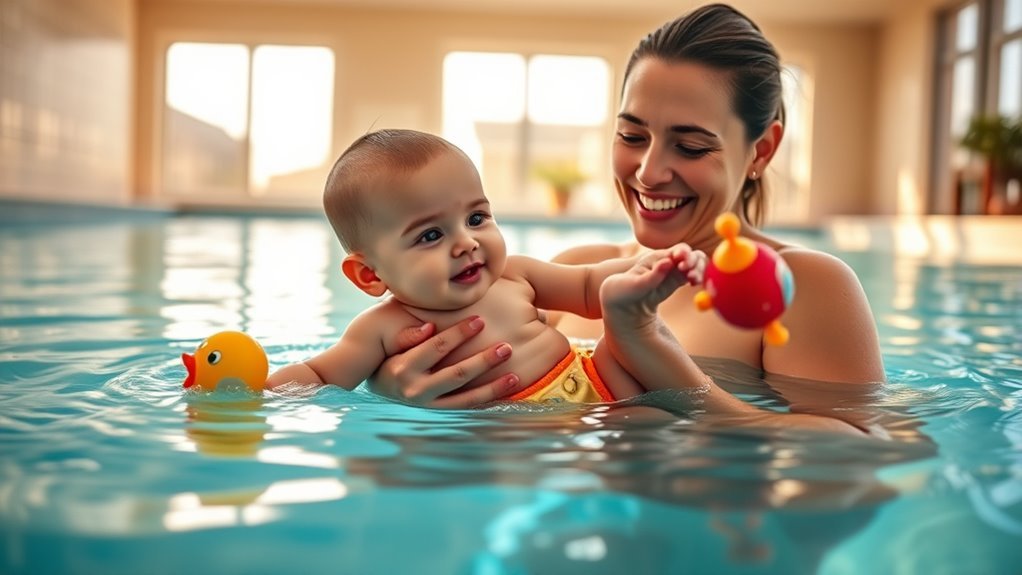
Learn how swim diapers lock in urine without swelling or leaks, using snug fits and special materials designed for water play comfort and safety.

You decide whether to wear underwear with swimming trunks by considering the lining type. Most have built-in mesh that offers support and usually means you don’t need extra underwear.
Think about comfort too; underwear can add bulk or moisture, but lightweight, quick-drying options help. Your activity level matters. More intense swimming may call for extra support.
Also, hygiene and fabric type play roles in your choice. Keep exploring to find the best fit for your swimwear style and needs.

Unlock the secrets to building your own inground pool with these 7 essential steps—discover what you need to know before you dig in.
You can wear tampons safely in a swimming pool by choosing the right absorbency for your flow and inserting the tampon properly before you swim. Make sure it fits snugly and change it every 4 to 8 hours, especially before and after your swim, to avoid discomfort or infection.
Always wash your hands before insertion and carry extra tampons in a waterproof pouch. Keep an eye out for any signs you need to change it, so you stay comfortable and protected.
There’s more to learn about staying confident and clean during pool time.

Whether every dog swims instinctively is surprising; discover which breeds excel and why some need extra help to confidently enjoy water.

To swim safely with lash extensions, avoid getting them wet for the first 24–48 hours after application to let the adhesive fully set.
Before swimming, apply a thin layer of waterproof mascara or lash sealant and wear snug goggles to protect your lashes from chlorine and saltwater, which can weaken bonds and cause irritation.
After swimming, rinse your eyes with fresh water and gently dry lashes. Taking these steps helps keep your extensions intact and healthy. There’s more you can do to care for them properly.
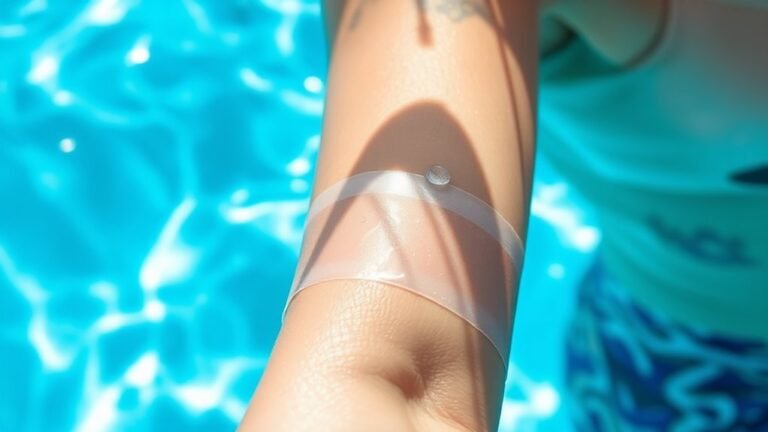
Keeping your new tattoo safe while swimming requires careful timing and protection—discover essential tips to avoid damage and infection.
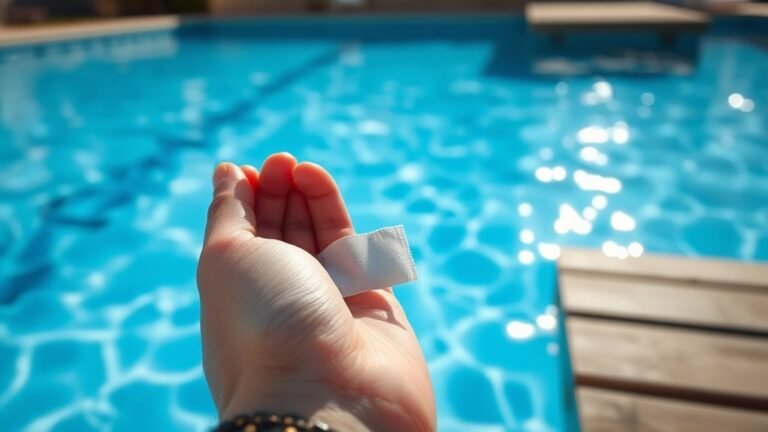
You should wait at least 2 to 4 weeks before swimming with a new piercing, ensuring it’s no longer red, swollen, or tender. Protect it with a secure, waterproof bandage designed for piercings to keep out bacteria and irritants found in pools, lakes, or oceans.
Always clean it gently with saline after swimming to avoid infection. If you want to keep your piercing safe while enjoying the water, there are important tips and care steps worth knowing.