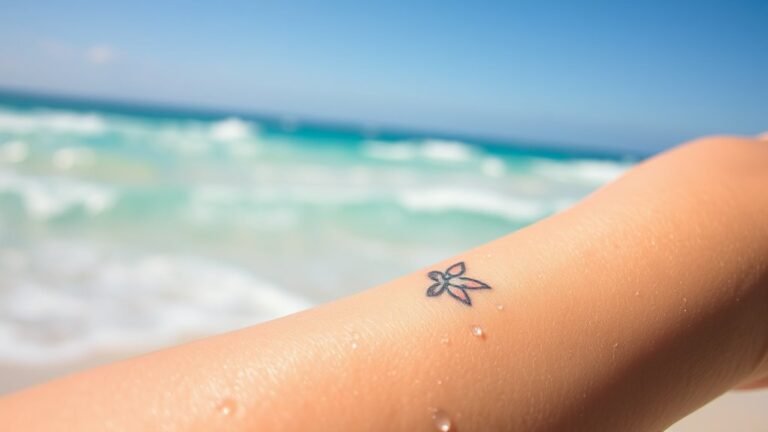

How Long to Wait to Swim After Getting a Tattoo
You should wait at least two to four weeks before swimming after getting a tattoo to avoid infections and protect your skin. Swimming too soon can introduce bacteria and chlorine to your fresh tattoo, which is essentially an open wound. This exposure can cause redness, irritation, or fading of your new ink.
During the healing process, keep your tattoo clean and dry. Avoid soaking it in water, including swimming pools, hot tubs, or natural bodies of water. Once your tattoo looks fully healed and the skin has closed up, you can swim again, but take precautions to shield your tattoo from harsh chemicals and excessive sun exposure.
Keep reading to discover the best care tips and signs that your tattoo is ready for swimming. Proper aftercare will ensure your tattoo heals beautifully and remains vibrant for years to come.
Why Waiting to Swim Is Important After Getting a Tattoo

Although it might be tempting to jump into the pool right after getting a tattoo, you should wait because swimming too soon can cause infections and damage your new ink.
Your tattoo is fundamentally an open wound, and pool water contains bacteria and chemicals like chlorine that can irritate it.
Fresh tattoos are open wounds; pool water’s bacteria and chlorine can cause irritation and infection.
When you expose your fresh tattoo to these elements, you increase the risk of redness, swelling, and even infection.
Plus, excessive moisture can cause the ink to fade or blur, ruining the crispness of your design.
By holding off on swimming, you give your skin the time it needs to heal properly, preserving both your health and the quality of your tattoo.
Taking care now means your tattoo will look great for years to come.
Recommended Waiting Period Before Swimming

Since your tattoo needs time to heal, you should wait at least two to four weeks before swimming. This timeframe helps ensure your skin repairs itself and reduces the chance of irritation or infection.
Keep in mind that everyone’s healing process varies, so listen to your body. If your tattoo still looks raw or scabby after four weeks, give it more time.
| Waiting Period | Description |
|---|---|
| 0-1 week | Avoid all water exposure |
| 1-2 weeks | No swimming, gentle showers only |
| 2-3 weeks | Tattoo mostly healed, avoid pools |
| 3-4 weeks | Can swim if tattoo looks healed |
Following this schedule helps protect your ink and skin for the best results.
Risks of Swimming Too Soon After Tattooing

If you swim too soon after getting a tattoo, you risk exposing the fresh wound to bacteria and harsh chemicals, which can cause infections and irritate your skin.
Pools, lakes, and oceans all contain microorganisms that can easily enter the open skin and lead to redness, swelling, or even pus-filled sores.
Natural and treated waters harbor microorganisms that may infect fresh tattoo wounds, causing irritation and serious skin issues.
Chlorine and saltwater can dry out your tattoo, delaying healing and causing the ink to fade or blur.
Additionally, soaking in water softens the scabs that naturally form, increasing the chance of them falling off prematurely and affecting the overall appearance of your tattoo.
By swimming too early, you not only jeopardize your skin’s health but also the quality and longevity of your new tattoo.
It’s best to hold off until it’s fully healed.
How to Care for Your Tattoo While Healing
While your tattoo is healing, you need to keep it clean and moisturized to prevent infection and promote proper skin recovery. Gently wash the tattoo with lukewarm water and mild, fragrance-free soap twice daily. Avoid scrubbing; use your fingertips to softly cleanse the area.
After washing, pat it dry with a clean towel or let it air dry.
Apply a thin layer of a recommended tattoo ointment or fragrance-free moisturizer to keep the skin hydrated, but don’t overdo it. Too much moisture can cause issues.
Wear loose clothing to avoid irritation and resist picking or scratching scabs.
Protect your tattoo from direct sunlight, as UV rays can damage healing skin and fade ink.
Following these steps helps ensure your tattoo heals beautifully and reduces complications.
Alternatives to Swimming During Tattoo Healing
Though swimming is off-limits during tattoo healing, you don’t have to miss out on staying active or cooling off. Instead, try low-impact exercises like walking, yoga, or cycling to keep moving without risking your tattoo.
If you want to cool down, use a damp, cool cloth on your skin or enjoy a fan or air conditioning. You can also take lukewarm showers to refresh yourself while avoiding soaking your tattoo.
Avoid hot tubs, saunas, and baths, as they expose your tattoo to bacteria and excessive moisture. Focus on activities that don’t involve water immersion or excessive sweating to protect your tattoo’s delicate healing process.
This way, you’ll stay comfortable and active while helping your tattoo heal properly.
Signs Your Tattoo Is Ready for Swimming
Before you dive back into swimming, you’ll want to make sure your tattoo shows clear signs of healing. Look for a tattoo that’s no longer scabbed or flaky, with the skin feeling smooth and slightly tight but not painful.
The redness and swelling should have faded completely, and there shouldn’t be any oozing or crusting. If your tattoo looks vibrant and the colors aren’t dull or patchy, that’s another good sign.
You also shouldn’t experience itching or irritation, which can indicate the skin is still sensitive. If you can gently touch the tattoo without discomfort, it’s likely ready.
Only swim once your tattoo has fully healed to avoid infections and color fading. When in doubt, consult your tattoo artist or a healthcare professional.
Tips for Protecting Your Tattoo When Swimming
Once your tattoo has healed enough for swimming, you’ll want to take steps to protect it from damage and infection. First, apply a waterproof sunscreen with a high SPF to shield your tattoo from harmful UV rays.
When your tattoo has healed sufficiently, protect it with waterproof high-SPF sunscreen before swimming.
Avoid soaking your tattoo for extended periods; limit your swim time to prevent fading.
After swimming, rinse your tattoo with clean, fresh water to remove chlorine or salt, then gently pat it dry with a clean towel.
Moisturize your tattoo with a fragrance-free lotion to keep the skin hydrated and promote healing.
Avoid hot tubs, as the heat and bacteria can irritate your tattoo.
Finally, keep an eye on your tattoo for any signs of infection or unusual changes, and consult your artist or a healthcare professional if you notice anything concerning.
Frequently Asked Questions
Can I Use Sunscreen on a New Tattoo Before Swimming?
You shouldn’t use sunscreen on a new tattoo before swimming because it can irritate the healing skin.
Wait until it’s fully healed, then apply sunscreen to protect your tattoo from sun damage while swimming.
Does Tattoo Ink Fade Faster in Chlorinated Pools?
Yes, tattoo ink can fade faster in chlorinated pools because chlorine breaks down the pigments.
You should avoid swimming in pools until your tattoo is fully healed to keep the colors vibrant and prevent irritation or infection.
How Does Saltwater Affect a Healing Tattoo?
Saltwater can irritate your healing tattoo, causing dryness and possible infection. It can also slow down healing and fade ink.
You should avoid swimming in the ocean until your tattoo is fully healed to protect it.
Is It Safe to Get a Tattoo in the Summer?
Yes, you can get a tattoo in summer, but you’ll need to safeguard it from sun exposure and avoid excessive sweating. Keep it clean, moisturized, and covered when outside to ensure proper healing and prevent fading or infection.
Can Certain Tattoo Locations Heal Faster Than Others?
Yes, certain tattoo locations heal faster than others because areas with more blood flow, like arms, tend to recover quicker. Spots with thicker skin or constant movement, like joints, might take longer for you to heal fully.
Conclusion
Waiting to swim right after getting a tattoo is like jumping into a storm without an umbrella—you’re risking damage to your fresh ink. Give your skin at least two to four weeks to heal fully before diving in.
In the meantime, care for your tattoo gently, avoid soaking it, and consider other low-impact activities. Keeping your tattoo clean and dry helps prevent infection and promotes faster healing.
When your tattoo shows signs of healing, protect it carefully in the water. Following these guidelines helps ensure your artwork stays vibrant and flawless for years to come. Remember, knowing how long to wait to swim after getting a tattoo is key to preserving your new ink.