What Does HELP Stand for in Swimming?
HELP in swimming stands for Heat Escape Lessening Position, a key survival technique to reduce heat loss in cold water. This position is essential for swimmers and anyone who might find themselves in chilly water environments.
When you float on your back, cross your arms tightly against your chest, and keep your legs together, you conserve body heat and protect crucial organs.
This technique helps increase your chances of survival by conserving energy and maintaining warmth until help arrives. If you want to understand how to perform it properly and when it’s essential, keep exploring these tips.
The Meaning of HELP in Swimming
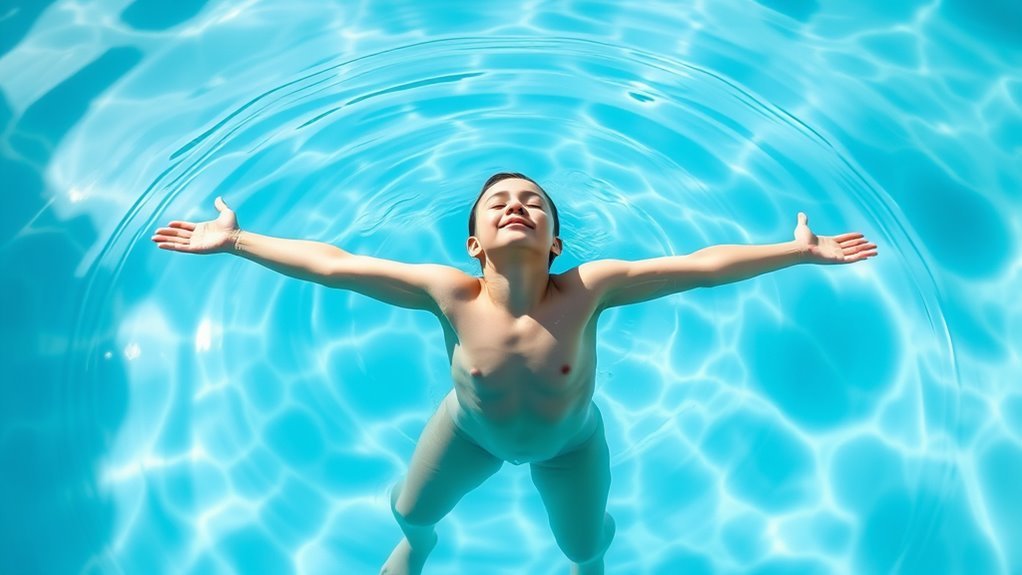
What does help mean in swimming? HELP stands for Heat Escape Lessening Position. It’s a survival technique designed to reduce heat loss in cold water, helping you conserve body heat and increase your chances of survival.
When you’re stranded in cold water, your body loses heat rapidly, which can lead to hypothermia. The HELP position minimizes exposure to cold water by protecting your essential organs, including your chest, neck, and head, while keeping your body compact.
This way, you slow down heat loss and maintain core temperature longer. Understanding HELP is critical if you find yourself unexpectedly in cold water, whether during boating accidents or emergencies. It’s a simple but effective way to increase your survival time until rescue arrives.
How to Perform the HELP Position

Although staying calm is essential, you’ll need to quickly position your body correctly to perform the HELP position effectively.
First, float on your back with your head tilted slightly back to keep your airway clear.
Cross your arms tightly against your chest, holding your elbows to conserve heat.
Keep your legs together and slightly bent at the knees to reduce heat loss but maintain buoyancy.
Try to stay as still as possible to conserve energy and warmth.
Focus on steady, slow breathing to maintain calm and increase your chances of being spotted.
Practicing this position beforehand can help you react instinctively in emergencies.
Situations Where HELP Can Save Lives
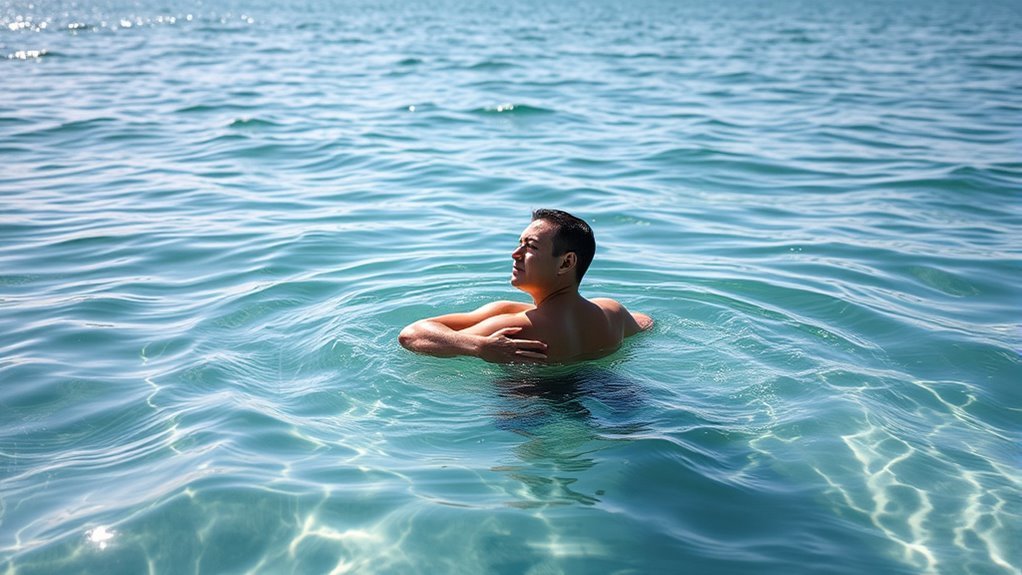
Mastering the HELP position prepares you for moments when staying afloat and conserving heat can truly make a difference. You might find yourself caught in cold water after a boating accident or stranded far from shore during a swim.
In these situations, the HELP position helps reduce heat loss and increases your chances of survival until rescue arrives. It’s especially useful when you can’t signal for help or swim to safety.
| Situation | Challenge | How HELP Helps |
|---|---|---|
| Cold Water Immersion | Rapid heat loss | Conserves body heat |
| Stranded Swimmer | Fatigue and panic | Promotes calm and buoyancy |
| Boating Accident | Limited movement and rescue | Increases visibility and endurance |
Benefits of Using the HELP Technique
Why should you use the HELP technique when caught in open water? It helps you conserve energy and stay afloat longer, which is vital for survival. By positioning yourself correctly, you reduce heat loss and keep your airway clear, increasing your chances of being rescued.
Here are the key benefits of using the HELP technique:
- Energy Conservation: You float with minimal movement, preserving strength for rescue or swimming later.
- Heat Retention: By tucking your limbs close, you reduce heat loss in cold water, preventing hypothermia.
- Breathing Control: The position keeps your head above water, letting you breathe easily without straining.
Using HELP boosts your survival odds by managing your body’s resources wisely until help arrives.
Differences Between HELP and Other Survival Positions
The HELP technique offers clear advantages in energy conservation and heat retention, but it’s just one of several survival positions you can use in open water. Each position suits different situations, and knowing the differences helps you choose wisely when facing harsh conditions.
| Survival Position | Key Benefit |
|---|---|
| HELP | Retains body heat |
| Huddle | Shares warmth in groups |
| Floating on Back | Easy breathing, rest |
| Treading Water | Mobility, signaling help |
| Curl Position | Minimizes heat loss |
When you use HELP, you reduce heat loss effectively, but if you’re with others, huddling might save more lives. Floating or treading keeps you alert and ready to move, while curling is a quick fix. Choose based on your situation!
Teaching HELP to Children and Beginners
How can you help children and beginners grasp the HELP technique quickly and confidently? Start by breaking the concept down into simple, relatable steps. Use visual aids like diagrams or videos to demonstrate the position clearly.
Encourage hands-on practice in shallow water where they feel safe. Focus on these key points:
- Teach them to hold their legs together and keep their arms close to their sides.
- Emphasize the importance of staying calm and breathing steadily while floating.
- Practice the position repeatedly, gradually increasing the time spent in the HELP posture.
Common Mistakes to Avoid When Using HELP
Although the HELP technique is straightforward, you can easily make mistakes that reduce its effectiveness and safety. One common error isn’t keeping your head back and above water, which defeats the purpose of conserving heat and energy.
Another mistake is failing to keep your body still; unnecessary movement wastes energy and increases heat loss. You should avoid floating face-down or turning your head too often, as these actions increase water exposure to your face and neck.
Also, don’t neglect to stay calm. Panicking disrupts your ability to maintain the HELP position.
Ultimately, avoid using HELP in rough waters or when you’re not confident swimming; it’s a survival tool, not a substitute for swimming skills or rescue.
Stick to the proper form to maximize HELP’s benefits.
Frequently Asked Questions
Is HELP Effective in Saltwater and Freshwater Environments?
Yes, HELP is effective in both saltwater and freshwater. You’ll conserve body heat and stay afloat better by curling up in the position, reducing heat loss and increasing your chances of survival in any water environment.
Can Wearing a Life Jacket Replace the HELP Position?
No, wearing a life jacket can’t fully replace the HELP position. The HELP position helps conserve heat and energy if you’re stranded, while a life jacket primarily keeps you afloat.
You should use both for safety.
How Long Can an Average Person Maintain the HELP Position?
You can usually maintain the HELP position for about 30 minutes to an hour, depending on your fitness and water temperature.
Staying calm and conserving energy helps you last longer while waiting for rescue or assistance.
Are There Any Medical Conditions That Prevent Using HELP?
Like a boat caught in a storm, certain medical conditions—like severe arthritis or respiratory issues—can make using HELP tough for you.
If you’ve got joint pain or breathing problems, you might struggle to hold that position safely.
What Is the History Behind the HELP Technique in Swimming?
You’ll find the HELP technique was developed in the 1970s to improve survival in cold water. It originated from military training, aiming to conserve body heat and increase chances of rescue during emergencies at sea.
The technique involves a specific body position that helps reduce heat loss when floating in cold water. Over time, it has been adopted by various water safety organizations worldwide as a critical survival skill.
Conclusion
Now that you know what HELP stands for in swimming, you can stay calm, conserve energy, and increase your chances of survival. Remember to tuck in, float steady, and breathe evenly. Practice the HELP position regularly to build confidence.
Recognize when to use the HELP technique and teach others to do the same. Avoid panic, avoid exhaustion, and avoid mistakes while in the water. By mastering HELP, you protect yourself, protect others, and protect precious lives in the water.
Understanding the HELP acronym is essential for water safety. Incorporate HELP into your swimming skills to enhance your survival strategies. Stay safe and spread awareness about the HELP position to save lives.