Can You Swim With a Pad?
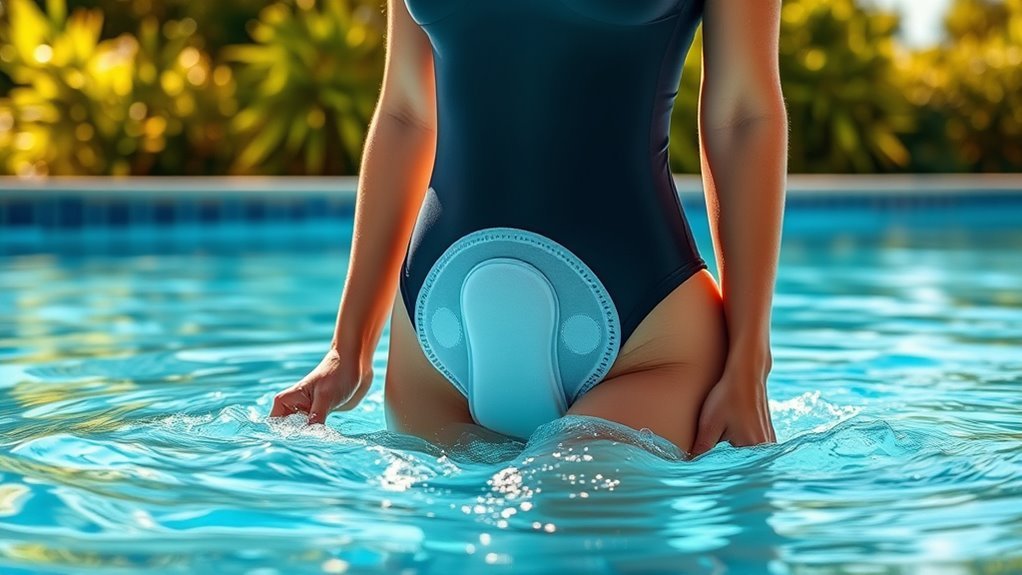
You shouldn’t swim with a pad because it soaks up water, becoming heavy, soggy, and uncomfortable. This makes it lose absorbency and can cause it to shift or bunch, increasing the chance of leaks and irritation. Wet pads also create a warm, damp environment that can lead to infections or skin rashes.
Instead, consider other protective options designed for water. Keep exploring to discover better choices for staying comfortable and confident while swimming on your period.
How Pads Work During Menstruation
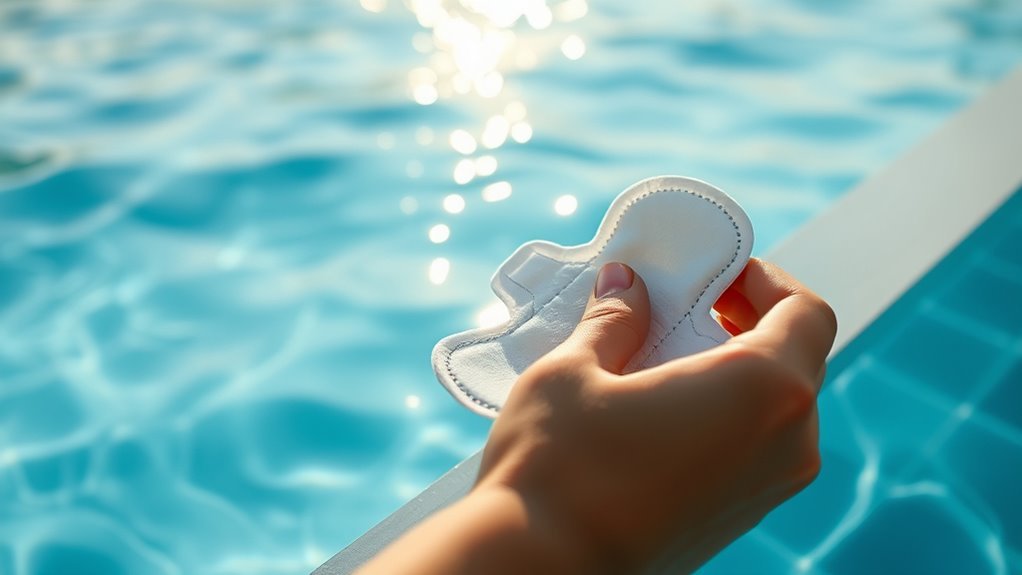
How exactly do pads work during menstruation? You place the pad inside your underwear, where it sticks securely thanks to an adhesive backing. The pad’s absorbent core captures menstrual flow, keeping it away from your skin to help prevent irritation.
Most pads have a soft top layer that feels comfortable against your body, while the absorbent middle layer pulls in liquid quickly.
Some pads also feature wings that wrap around your underwear to keep the pad in place and protect against leaks.
Pads come in various sizes and absorbencies, so you can pick one that suits your flow.
Challenges of Swimming With a Pad
Although you might want to use a pad while swimming for added protection, pads aren’t designed to handle water. When wet, they lose their absorbency and can become heavy and uncomfortable. You might also notice the pad shifting or bunching up, which can be distracting and embarrassing.
Additionally, wet pads can cause skin irritation or chafing due to prolonged dampness.
Here’s a quick look at common challenges you might face:
| Challenge | What Happens |
|---|---|
| Absorbency Loss | Pad soaks up water, not just flow |
| Comfort Issues | Heavy, bulky feeling in the swimsuit |
| Movement & Fit | Pad slips or bunches during swimming |
Understanding these challenges can help you decide the best protection method for swimming.
Risks of Using Pads in Water
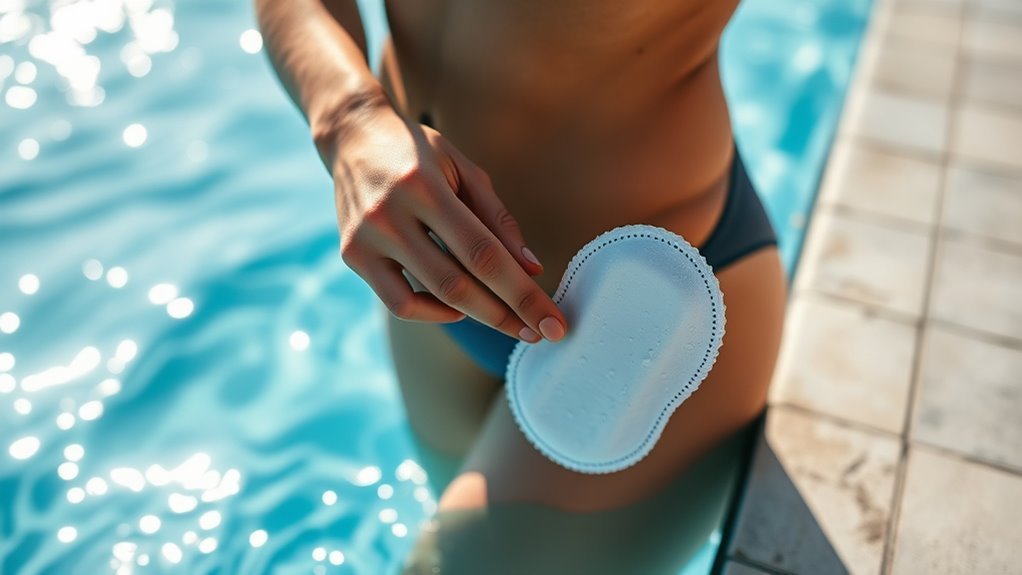
Why risk discomfort and potential health issues by using pads in water? Pads aren’t designed to handle moisture from swimming. They can become heavy, soggy, and shift out of place. This not only makes you uncomfortable but also increases the chance of leaks, defeating their purpose.
Additionally, wet pads can create a warm, damp environment that encourages bacterial growth, raising the risk of infections like yeast or urinary tract infections. Swimming with a pad can also lead to skin irritation or rashes due to friction and trapped moisture.
You might find yourself distracted, worrying about your pad rather than enjoying the water. Considering these risks, using pads while swimming isn’t ideal for your comfort or health, so it’s important to think twice before deciding to swim with one.
Alternatives to Pads for Swimming
Wondering what you can use instead of pads when you want to swim? Since pads aren’t designed for water, you’ll want to think about options made for swimming.
One common alternative is waterproof swimwear with built-in absorbency, which can help manage light flow without bulk.
You might also try period-specific swim bottoms that provide leak protection and stay secure in water. While tampons and menstrual cups are popular choices, they’ll be covered later, so for now, focus on swimwear options or lightweight cloth liners designed for aquatic use.
These alternatives keep you comfortable and confident in the pool or ocean. Remember, choosing a product made for water reduces discomfort and risk, helping you enjoy swimming without worrying about leaks or soggy pads.
Benefits of Tampons and Menstrual Cups in Water
How do tampons and menstrual cups make swimming easier during your period? They offer discreet, secure protection that won’t absorb water, so you stay confident and comfortable in the pool. Unlike pads, these options won’t shift or become heavy when wet, letting you focus on your swim without worry.
| Benefit | Why It Matters to You |
|---|---|
| Leak Protection | Keeps you dry and confident |
| Discreet Fit | No bulky pads showing through swimwear |
| Water Resistance | Won’t absorb water or swell |
| Environmentally Friendly | Less waste, feel good about your choice |
Choosing tampons or menstrual cups helps you enjoy swimming freely, even on your heaviest days.
Tips for Swimming Comfortably on Your Period
Although swimming on your period might seem tricky, you can stay comfortable and confident with a few simple tips. First, choose the right protection. Tampons or menstrual cups work best underwater. If you prefer pads, opt for swim-specific ones designed to resist water.
Always wear a snug swimsuit to keep everything secure. Change your protection right before swimming to prevent leaks. Rinse off and change again afterward to stay fresh.
Stay hydrated and listen to your body; swimming can actually help ease cramps. Avoid swimming during heavy flow days if you feel uncomfortable.
Finally, carry spare protection in a waterproof bag so you’re prepared.
With these steps, you’ll enjoy swimming without stress or discomfort, period or not.
What to Do If You Need to Swim Unexpectedly
What should you do if you suddenly find yourself needing to swim while on your period? First, don’t panic; you have options to stay comfortable and protected.
If you only have a pad, it’s best to avoid swimming with it since it won’t work well in water.
Instead, focus on quick solutions: Use a tampon or menstrual cup if you have one handy; both are designed for swimming.
If you don’t, try to limit your swim time and avoid deep water.
Change into dry clothes immediately after swimming to stay comfortable.
Rinse off in the shower to clean and refresh yourself.
Being prepared with a small period kit can help you handle unexpected swims with confidence.
Frequently Asked Questions
Can Pads Be Used for Swimming in Saltwater or Chlorinated Pools?
You can use pads for swimming in saltwater or chlorinated pools, but they might absorb water and get heavy.
Consider waterproof swim-specific products instead for better comfort and protection while you enjoy your swim.
How Long Can You Wear a Pad While Swimming?
You shouldn’t wear a pad while swimming for more than 30 minutes, as it can become waterlogged, lose effectiveness, and increase infection risk.
It’s better to use a swim-specific product designed for water.
Are There Specific Pad Brands Designed for Water Activities?
Like a fish in water, you’ll find specific pad brands designed for water activities, such as Always Infinity FlexFoam or Poise Impressa. These offer better absorbency and comfort, so you won’t feel like you’re swimming against the tide.
Can Swimming With a Pad Cause Infections?
Yes, swimming with a pad can increase infection risk because pads trap moisture and bacteria.
You’re better off using a tampon or menstrual cup, which won’t stay wet and help keep you clean during swimming.
How Do Pads Affect Buoyancy in Water?
Pads slightly reduce your buoyancy because they absorb water and become heavier, but the effect is minimal. You’ll still float easily, though swimming might feel a bit more cumbersome than usual.
Conclusion
Sure, you *can* swim with a pad—if you enjoy soggy fluff clinging to you like an overenthusiastic sea sponge. But why settle for that awkward, waterlogged mess when tampons and menstrual cups exist, designed precisely to keep you comfortable and leak-free?
So next time you plunge in, skip the swampy pad and embrace smarter alternatives. After all, swimming should be invigorating, not a lesson in how not to do waterlogged hygiene.
When considering can you swim with a pad, remember that tampons and menstrual cups offer better protection and comfort in the water. Choose the best option for your needs and enjoy your swim worry-free.