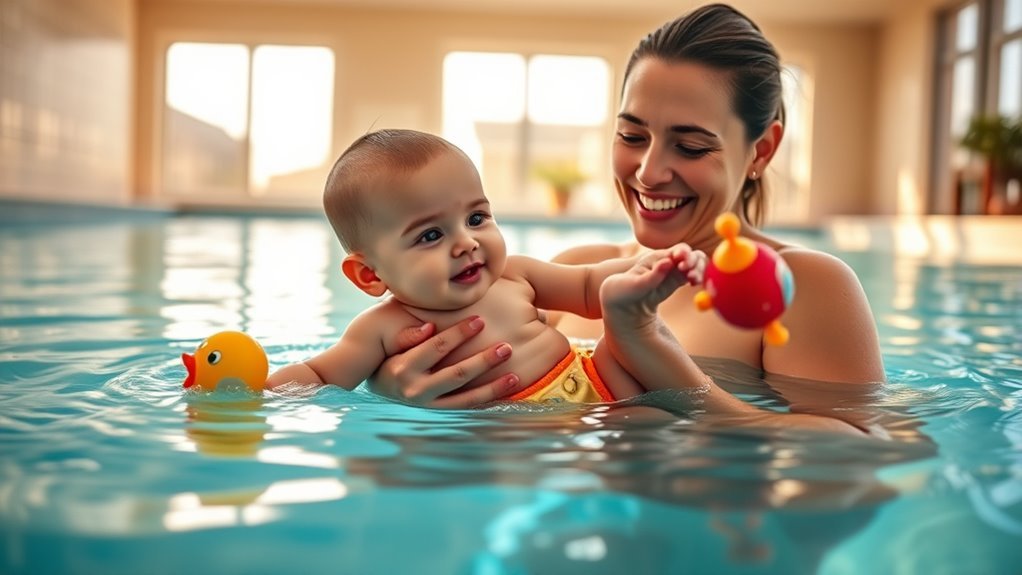
How to Lower Alkalinity in Your Swimming Pool Step by Step
Balancing your pool’s alkalinity is crucial; discover step-by-step methods to safely lower it and maintain crystal-clear water all season long.

Balancing your pool’s alkalinity is crucial; discover step-by-step methods to safely lower it and maintain crystal-clear water all season long.
You can swim safely without a tampon by choosing alternatives like menstrual cups or specially designed period swimwear, which prevent leaks and feel comfortable in the water. Make sure you know your flow level and pick the right protection to suit it.
Change or rinse your product before and after swimming to stay fresh and avoid infections. Preparing your body and practicing insertion techniques helps too.
Keep going to discover more tips on handling your period with confidence while swimming.
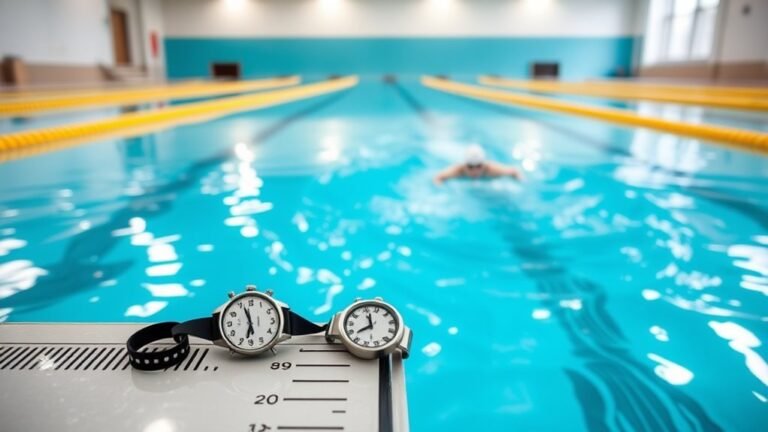
Swimming a mile means covering 1,760 yards, but why do pools use yards instead of meters? Discover the surprising reasons behind this choice.

You usually don’t need to wear underwear with swim trunks because their built-in mesh lining provides support and comfort, preventing chafing and keeping everything in place.
If you do want to wear underwear, choose moisture-wicking, quick-drying fabrics and avoid cotton to prevent discomfort and irritation. Make sure it fits snugly without being too tight.
Depending on your activity, your choice may vary. Keep going to discover tips for comfort and hygiene while wearing swim trunks.

Determining when you can safely swim after shocking your pool depends on several factors; discover the essential wait times and safety tips inside.

You should wait at least two to four weeks before swimming after getting a tattoo to avoid infection and skin damage. Fresh tattoos have delicate skin that’s prone to irritation from chlorine, saltwater, and bacteria in pools, oceans, or hot tubs.
Swimming too soon can cause redness, swelling, or even ink fading. Once your tattoo feels fully healed and normal, it’s safer to swim. Keep going to discover how to protect your tattoo and recognize potential issues.

Before you dive in, discover how long you really need to wait after a tattoo for safe swimming and perfect healing. Stay informed to protect your art.
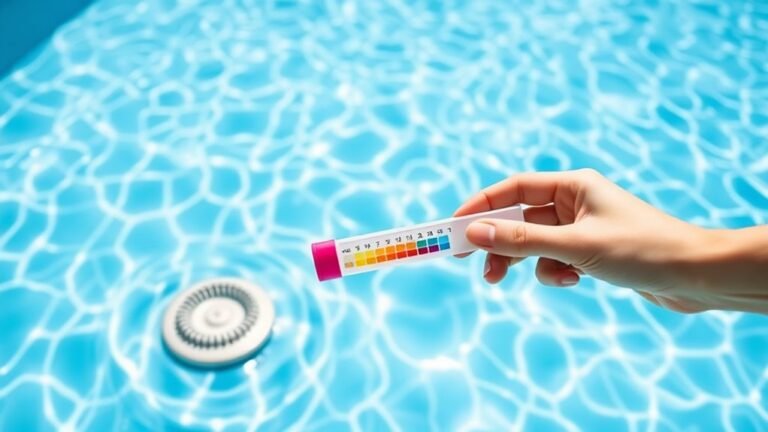
Free chlorine is the active chlorine in your pool water that kills bacteria, viruses, and algae to keep it clean and safe. It stays available after you add chlorine, breaking down contaminants without forming harmful byproducts.
Maintaining free chlorine between 1 and 3 ppm prevents irritation and keeps your water clear. If levels drop or combined chlorine builds up, sanitation suffers.
Stick around to discover what affects these levels and how to keep your pool perfectly balanced.

Only after 6 to 8 weeks can you swim safely post-ear piercing, but what if your piercing still feels tender? Discover expert tips inside.

You can swim comfortably when it’s 70 degrees outside, but remember water often feels colder because it retains less heat than air. Your body loses heat faster in water, especially if it’s cool or windy, which might make you feel chilly sooner.
Wearing a wetsuit and staying active helps keep you warm. Feeling cold or numb means it’s time to get out. Keep in mind, there’s more to think about for a safe, warm swim in these conditions.