Blog

  • How to Determine If Lakes Are Safe to Swim

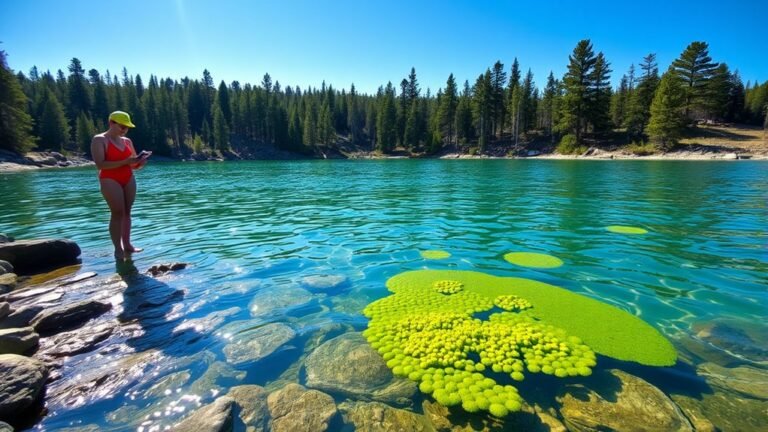
    To know if a lake is safe to swim, start by checking local water quality reports for bacteria and toxins. Look at the water’s clarity. Clear water is usually better than murky or oddly colored water.

    Watch for algae blooms, unpleasant odors, or dead fish, which signal hazards. Also, be mindful of underwater dangers and local wildlife risks. If you want to stay fully informed and swim safely, there are more important steps to contemplate.
  • Why Is My Swimming Pool Water Cloudy?

    Your swimming pool water is cloudy because particles like dirt, algae, or minerals are overwhelming your filtration and chemical treatments. If your chlorine or pH levels are off, bacteria and algae can grow, making the water hazy.

    Also, a clogged or inefficient filter won’t clear out debris properly. Outdoor factors like leaves and pollen can add to the issue. Keep your system balanced and clean, and you’ll find plenty more tips to restore crystal-clear water.

  • Why Is My Swimming Pool Green?

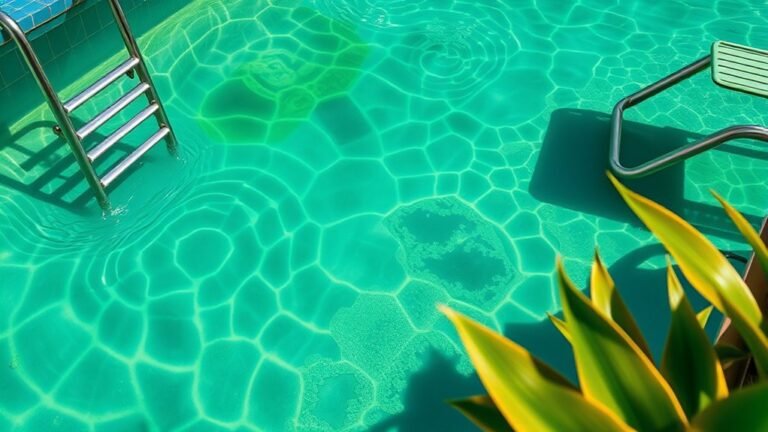
    Your swimming pool turns green mainly because algae have taken hold when chlorine levels drop and water chemistry falls out of balance. Poor filtration and circulation allow algae and debris to build up, while wrong pH or alkalinity reduce chlorine’s effectiveness.

    Metals like copper can also tint the water. Shocking the pool, brushing surfaces, vacuuming, and maintaining proper chemical levels and filtration help clear it up. Keep going to discover how to fix and prevent green pool water.

  • Why Is My Betta Swimming Sideways?

    If your betta is swimming sideways, it’s likely struggling with balance or buoyancy issues, often caused by swim bladder disorder, infections, or injuries. Poor water quality and stressful tank environments can also disrupt normal swimming behavior.

    You’ll want to check the water parameters, tank setup, and diet to help your fish recover and stay healthy. Keep an eye out for other stress signs, and further insight can help you support your betta’s wellbeing better.

  • 7 Best Places to Swim With a Whale Shark

    You can swim with whale sharks at amazing spots like Ningaloo Reef in Australia, Isla Holbox in Mexico, and Donsol Bay in the Philippines, where guided, eco-friendly tours guarantee safe encounters.

    Belize’s Gladden Spit offers a unique whale shark feeding spectacle during spawning season, while Tofo Beach, Mozambique, combines warm waters with vibrant marine life. Plus, Seychelles and the Maldives also provide incredible experiences.

    Keep exploring to discover where you’ll have the most unforgettable swim with these gentle giants.

  • 3 Tips on What to Wear to a Swimming Pool Party

    To nail your pool party look, start with swimwear that fits comfortably and lets you move freely. Think supportive one-pieces or secure bikinis in bright or classic colors.

    Next, pick a lightweight, stylish cover-up like a flowy kaftan or a crisp linen shirt dress that complements your suit and keeps you cool.

    Don’t forget smart accessories like UV-protective sunglasses and a wide-brimmed hat for sun safety and flair. Keep these tips in mind to stay confident and chic all day long.

  • How Do Micro Tears in the Shoulder Feel Like When Swimming

    When you have micro tears in your shoulder from swimming, you’ll feel sharp, localized pain during overhead strokes and a persistent ache afterward. Your shoulder may feel stiff, weak, or caught when lifting or rotating your arm.

    Unlike normal muscle soreness, this pain worsens with activity and limits your range of motion. Ignoring these signs could make things worse, but if you keep exploring, you’ll find out how to spot symptoms early and when to get help.

  • What Causes Mustard Algae in Swimming Pools?

    You’re dealing with mustard algae in your pool because poor circulation, inadequate filtration, and imbalanced water chemistry have created perfect conditions for it to thrive.

    This algae loves shady, warm spots and resists normal chlorine levels, making it stubborn to remove.

    If your pH and sanitizer aren’t right, or you skip regular brushing and cleaning, mustard algae will quickly take hold. Keep going, and you’ll find out how to fight it effectively.

  • Is It Safe to Swim in Green Pool Water?

    You shouldn’t swim in green pool water because it often contains harmful bacteria and algae that can irritate your skin, eyes, and respiratory system. The water’s chemical imbalance, usually low chlorine and poor filtration, creates an unsafe environment.

    Plus, slippery surfaces increase your risk of falls. To stay safe, test the water first and properly treat it before getting in. Keep going to discover how to identify and fix these issues effectively.

  • How to Teach a Toddler to Swim in 10 Easy Steps

    Start by familiarizing your toddler with shallow water using toys to make it fun. Choose well-fitting swim gear for comfort and safety. Teach floating and blowing bubbles to control breath, then introduce gentle kicking.

    Use playful games to build confidence and gradually increase water depth. Practice safe entry and exit together, reinforcing skills with patience and consistent sessions.

    Keep things positive and supportive to help your toddler enjoy swimming. There’s more you can do to help them progress smoothly.