
How Long After Shocking a Pool Can I Swim?
Proper pool shock timing prevents skin irritation and ensures safety; discover exactly how long you should wait before diving back in.

Proper pool shock timing prevents skin irritation and ensures safety; discover exactly how long you should wait before diving back in.

Learn how swim diapers lock in urine without swelling or leaks, using snug fits and special materials designed for water play comfort and safety.

Whether every dog swims instinctively is surprising; discover which breeds excel and why some need extra help to confidently enjoy water.
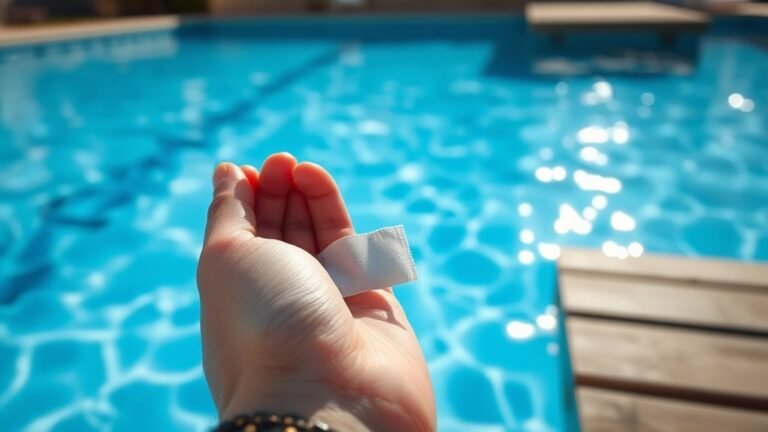
You should wait at least 2 to 4 weeks before swimming with a new piercing, ensuring it’s no longer red, swollen, or tender. Protect it with a secure, waterproof bandage designed for piercings to keep out bacteria and irritants found in pools, lakes, or oceans.
Always clean it gently with saline after swimming to avoid infection. If you want to keep your piercing safe while enjoying the water, there are important tips and care steps worth knowing.

Determining when you can safely swim after shocking your pool depends on several factors; discover the essential wait times and safety tips inside.
Navigating safety in the Hudson River requires knowing key tips and spots to swim confidently and avoid hidden dangers—discover how to stay protected.

Manage your pool’s chemistry carefully after shocking to swim safely in 12 hours; discover essential steps to ensure balanced, clear water.

After shocking your pool, you should wait at least 8 to 24 hours before swimming to let chlorine levels drop below 3 ppm for safety. The exact time depends on the shock type, water temperature, and pool size.
Non-chlorine shocks require only about 15-30 minutes, while calcium hypochlorite needs longer. Always test your water to confirm it’s safe and comfortable to swim in. Keep going to discover tips that help you swim sooner and stay safe.

After shocking your pool, you should wait anywhere from 8 to 24 hours before swimming, depending on the shock type and water temperature. Calcium hypochlorite and lithium hypochlorite require closer to 24 hours, while non-chlorine shock permits you to swim sooner, sometimes within an hour.
Always test chlorine and pH levels first to verify they’re safe. Following these guidelines protects your skin and health, and there’s more to learn about how different shocks affect timing and safety.

Find out if swimming skills are essential for snorkeling and discover tips to stay safe while exploring underwater wonders with confidence.