10 Factors That Affect How Much It Costs to Install a Swimming Pool
When figuring out how much it costs to install a swimming pool, you’ll want to consider ten main factors: the pool type, size, and depth; materials used; site preparation and terrain; installation method and labor costs; permits and inspections; plumbing and electrical needs; landscaping and decking; plus ongoing maintenance and operating expenses. These cost factors are essential for budgeting your pool installation project.
Each factor plays a vital role in your overall budget. Understanding them can help you plan wisely and avoid surprises as you explore your pool options further.
By carefully evaluating these elements, you can ensure a smoother installation process and a better investment in your backyard oasis.
Type of Swimming Pool
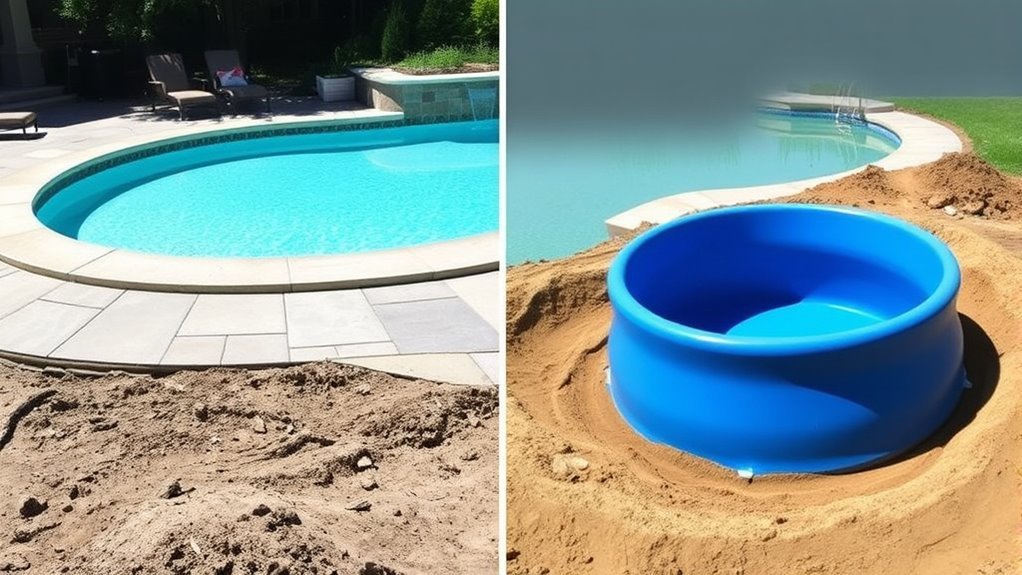
When choosing a swimming pool, the type you select directly impacts the installation cost. You’ll find three main types: concrete, vinyl, and fiberglass.
Concrete pools offer customization but tend to be the most expensive due to labor and materials.
Vinyl pools cost less upfront but may require liner replacements over time, adding to future expenses.
Fiberglass pools install quickly with minimal disruption, often saving you money on labor, but the initial price can be higher than vinyl.
Your decision also affects maintenance costs, which influence long-term spending.
Think about durability, aesthetics, and how much time you want to spend maintaining it.
Pool Size and Depth
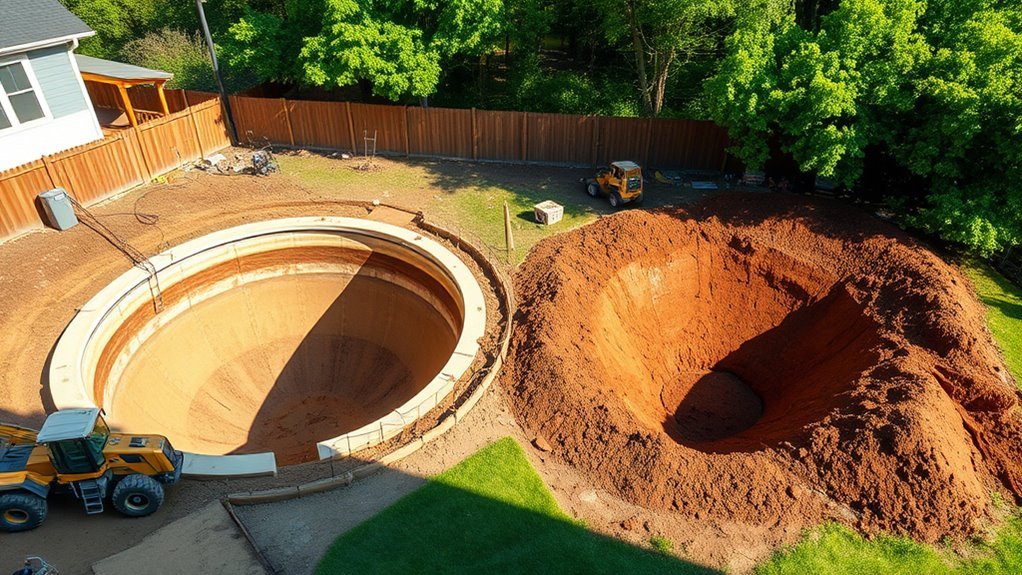
Although pool size and depth might seem like straightforward choices, they play a significant role in determining your installation cost. The larger and deeper your pool, the more materials, labor, and excavation are required, which drives up the price.
For example, a small, shallow pool demands less digging and fewer structural supports, keeping costs lower. On the other hand, a large pool with increased depth needs more reinforcement, plumbing, and longer construction time.
Keep in mind that deeper pools also require more water and chemicals, adding to ongoing expenses.
When planning, balance your desire for size and depth with your budget. Choosing the right dimensions guarantees you get the pool experience you want without unexpected financial strain.
Materials Used for Construction
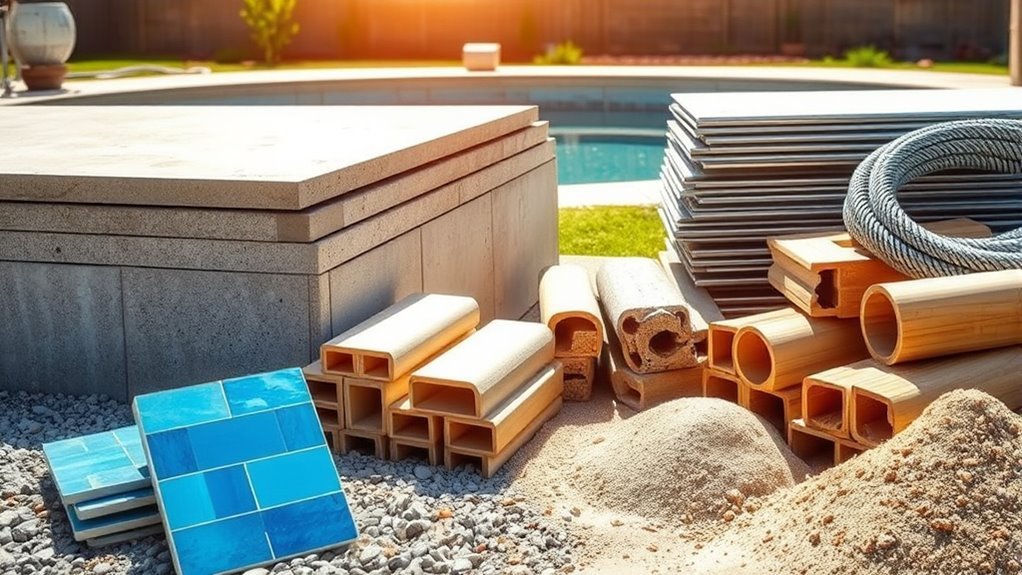
Since the materials you choose directly impact both the durability and cost of your pool, it’s important to understand your options.
Concrete pools offer great strength and customization but come with higher installation and maintenance costs.
Vinyl liners are budget-friendly and quicker to install, yet they wear out faster and may require replacement every 7–15 years.
Fiberglass pools provide a smooth, low-maintenance surface and faster installation, but they limit shape options and can be pricier upfront.
Your choice also influences long-term expenses like repairs and upkeep.
By weighing your budget against durability and design preferences, you can select a material that fits your needs and keeps costs manageable.
Site Preparation and Terrain
Because the condition of your site directly affects installation complexity, preparing the terrain properly is essential for keeping costs down. Uneven or rocky ground, poor soil quality, and dense vegetation can increase labor and equipment expenses.
Proper site preparation reduces installation difficulty and helps avoid extra labor and equipment costs.
To minimize surprises and extra charges, consider these key factors:
1. Grading and leveling
Ensure the land is flat and stable for a smooth installation.
2. Clearing debris
Remove rocks, trees, and roots that could obstruct digging.
3. Soil type
Sandy or clay soils may require special treatment or reinforcement.
4. Drainage
Proper drainage prevents future structural issues and pools of water.
Installation Method and Labor Costs
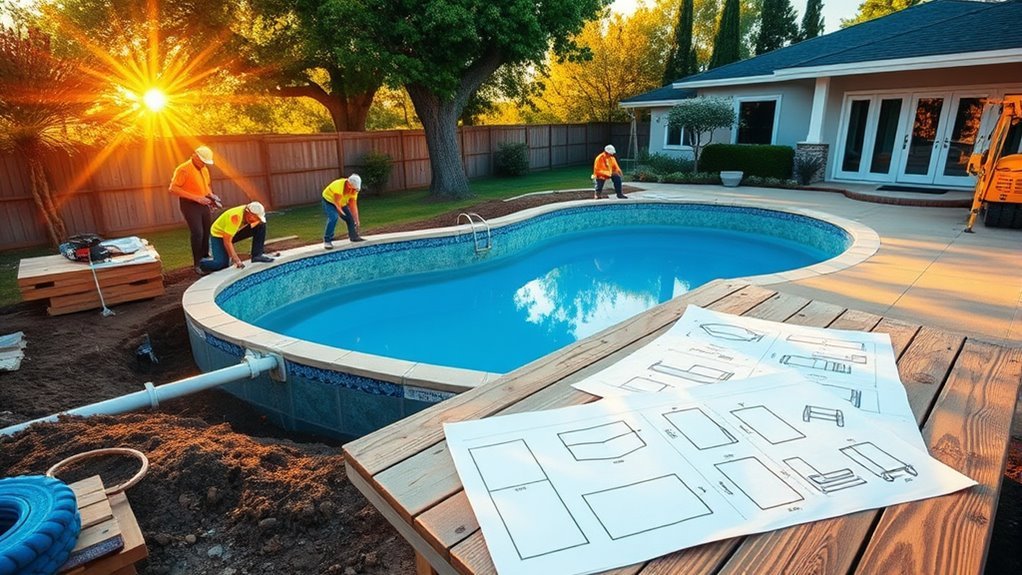
Once your site is ready, the next major factor influencing pool installation cost is the method used and the labor involved. Different installation methods, such as vinyl liner, fiberglass, or concrete, require varying levels of effort and time.
Concrete pools, for example, demand more skilled labor and a longer construction period, which raises costs. Fiberglass pools are quicker to install but might involve shipping fees.
Labor costs also depend on your location and the crew’s expertise. If your site has limited access or requires specialized equipment, labor expenses can increase.
You can save money by getting multiple quotes and choosing experienced professionals who work efficiently. Understanding these factors helps you budget realistically and guarantees your pool gets installed smoothly without unexpected labor charges.
Pool Features and Accessories
While the basic pool structure sets the foundation, the features and accessories you choose can considerably influence the overall installation cost. Customizing your pool with extras adds both functionality and style but also increases expenses.
Here are key features to regard:
- Lighting: Installing underwater LED lights or landscape lighting enhances ambiance but adds to electrical work and costs.
- Water Features: Fountains, waterfalls, or jets create a luxurious feel but require additional plumbing and pumps.
- Heating Systems: Adding a pool heater extends your swimming season but involves installation and operational expenses.
- Covers and Safety Equipment: Automatic covers or fencing improve safety but increase upfront investment.
Permits and Inspection Fees
Before you break ground on your pool project, you’ll need to secure the necessary permits and schedule inspections to comply with local regulations. These permits guarantee your pool meets safety codes and zoning laws, which helps protect you and your property.
Permit costs vary widely depending on your location and pool size, often ranging from a few hundred to over a thousand dollars. You’ll also need inspections at different stages of installation, such as after excavation and before filling the pool.
Inspection fees can add to your overall budget but are essential for approval and final certification. Skipping this step isn’t an option; it could lead to fines or forced removal.
Planning ahead for these fees helps you avoid unexpected expenses during your pool installation.
Plumbing and Electrical Requirements
Securing permits and scheduling inspections set the stage for the technical work that follows. When it comes to plumbing and electrical requirements, these aspects considerably influence your pool installation cost.
Permits, inspections, plumbing, and electrical needs significantly impact your pool installation expenses.
Here’s what you need to consider:
- Water Supply Lines: Running pipes from your main water source to the pool requires careful planning and materials.
- Drainage Systems: Proper drainage prevents water buildup and potential damage, impacting labor and material costs.
- Electrical Wiring: Setting up wiring for pumps, heaters, and lighting involves specialized skills and adherence to safety codes.
- Equipment Installation: Connecting pumps, filters, and heaters requires both plumbing and electrical work, adding to overall expenses.
Addressing these factors efficiently ensures your pool operates safely and smoothly without unexpected cost overruns.
Landscaping and Decking Around the Pool
Because landscaping and decking enhance both the functionality and aesthetics of your pool area, they play a significant role in your overall installation cost. You’ll want durable, slip-resistant materials for safety and easy maintenance.
The style and size of your decking, plus any plantings or lighting, also affect the price. Here’s a quick look at common options and their cost ranges:
| Option | Cost Range (USD) | Benefits |
|---|---|---|
| Concrete Decking | $6 – $15 per sq ft | Durable, customizable |
| Wood Decking | $15 – $35 per sq ft | Natural look, comfortable |
| Stone Pavers | $20 – $50 per sq ft | Elegant, long-lasting |
| Landscaping | $500 – $5,000+ | Enhances privacy, beauty |
Choosing the right combination helps balance your budget with your dream pool atmosphere.
Maintenance and Operating Costs
While installing your pool is a major expense, you’ll also need to take into account ongoing maintenance and operating costs to keep it in great shape. These costs can add up, so budgeting for them is essential.
Here are four key factors to contemplate:
- Chemical Supplies – You’ll regularly buy chlorine, pH balancers, and other chemicals to keep water clean and safe.
- Electricity – Running pumps, heaters, and lights increases your power bill.
- Water Usage – Filling and topping off the pool uses a significant amount of water, especially in hot climates.
- Professional Services – Hiring pool cleaners or technicians for repairs and seasonal maintenance adds to your costs.
Understanding these expenses helps you plan for the true cost of pool ownership.
Frequently Asked Questions
How Long Does It Typically Take to Install a Swimming Pool?
It typically takes you about 6 to 12 weeks to install a swimming pool, depending on the type and complexity.
You’ll want to plan for inspections, permits, and weather delays during the process.
Can I Finance the Cost of Installing a Swimming Pool?
You can finance your pool installation, and about 60% of homeowners choose this option. Lenders offer loans or lines of credit, so you can spread out payments and enjoy your pool without a huge upfront cost.
This makes it easier to manage the expense while still getting the pool you want. Financing options vary, so it’s a good idea to compare rates and terms before deciding.
What Are the Common Health and Safety Concerns With New Pools?
You’ll want to watch for drowning risks, slippery surfaces, and chemical imbalances. Proper fencing, pool covers, and regular maintenance keep you safe.
Also, guarantee good water circulation to prevent bacteria and avoid electrical hazards around your pool.
How Does Climate Affect the Lifespan of a Swimming Pool?
Climate affects your pool’s lifespan by influencing material wear and maintenance needs. Hot, sunny areas can cause fading and cracking, while cold climates risk freezing damage.
You’ll need to adjust care based on your local weather conditions.
Are There Any Insurance Implications When Installing a Swimming Pool?
Like guarding your castle, you’ll need insurance for liability and property when installing a pool. It protects you from accidents and damage, so check with your provider about coverage changes to stay worry-free and safe.
Make sure to update your policy to reflect the new risk associated with having a swimming pool. Some insurers may require additional coverage or adjustments to your premium.
Being proactive about insurance can save you from unexpected expenses and legal issues in the future. Always keep documentation of your communications with your insurance company for reference.
Conclusion
So, you’re ready to plunge into pool ownership? Just remember, it’s not as simple as filling a hole with water and calling it a day. From choosing the perfect type and size to wrestling with permits and plumbing, your wallet’s about to get a serious workout.
But hey, who doesn’t want to spend a small fortune lounging in their own backyard oasis? At least you’ll have a great excuse to avoid house guests—“Sorry, can’t entertain, pool costs are drowning me!”
When considering the factors that affect the cost to install a swimming pool, keep in mind the variety of choices and expenses involved. From materials and labor to permits and ongoing maintenance, understanding these elements will help you budget wisely and enjoy your new backyard retreat without surprises.