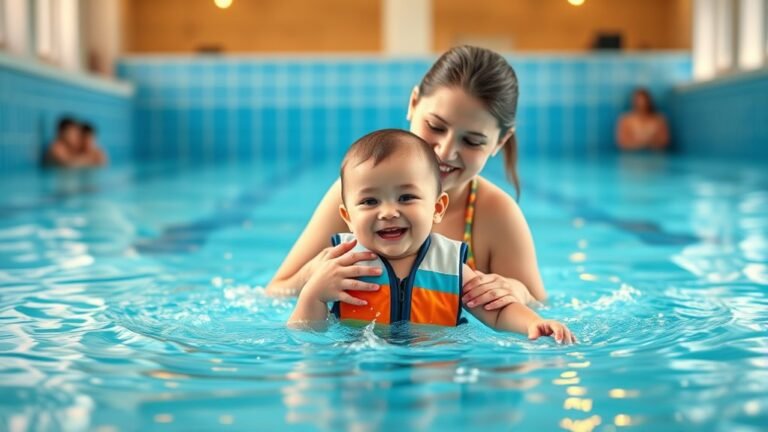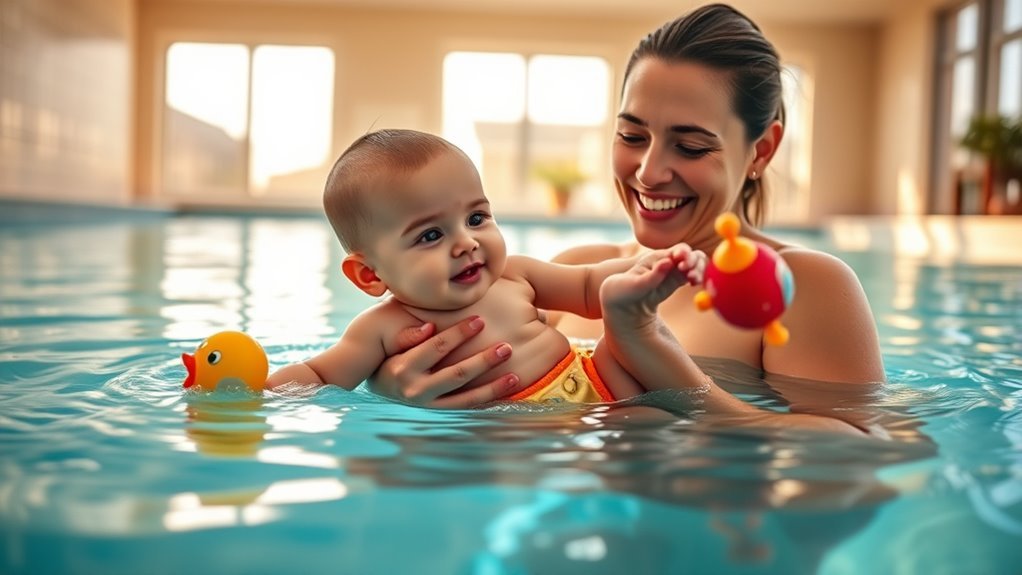

Should a Child With a Cough Go Swimming?
If your child has a mild cough but feels well without fever or breathing troubles, light swimming might be okay with close supervision. Swimming with a cough requires caution because chlorine and physical exertion can irritate sensitive airways, possibly worsening the cough.
Avoid swimming if the cough is severe, accompanied by fatigue, or chest discomfort. Always watch for any signs of distress during and after swimming.
Consult a pediatrician if unsure. Keep exploring to learn how to keep your child safe while staying active.
Understanding the Causes of a Child’s Cough

Before deciding if your child should swim while coughing, it’s important to understand what might be causing their cough. Coughing can result from various factors like a common cold, allergies, or even irritants like dry air or smoke.
Sometimes, it’s a sign of an underlying infection such as bronchitis or pneumonia. You’ll want to pay attention to other symptoms too. Fever, difficulty breathing, or persistent fatigue can indicate a more serious issue.
Coughing can signal infections like bronchitis or pneumonia, especially with fever, breathing trouble, or fatigue.
If your child’s cough is mild and they feel generally well, swimming might be okay. However, if the cough is severe, wet, or accompanied by other symptoms, it’s best to hold off.
Knowing the cause helps you make a safer choice about swimming and your child’s overall health.
How Swimming Might Affect a Child’s Respiratory Health

While swimming offers great exercise and fun, it can also impact your child’s respiratory health, especially if they’ve a cough. When your child swims, they breathe more rapidly and deeply, which might irritate their airways if they’re already sensitive or inflamed.
This extra strain could worsen coughing or cause discomfort. Also, physical exertion in water might make it harder for your child to control their breathing if they’re feeling unwell.
You should watch for signs like increased coughing, wheezing, or shortness of breath during or after swimming.
If these symptoms appear, it’s a good idea to pause swimming until their respiratory system improves. Being cautious helps protect your child’s lungs while still allowing them to enjoy physical activity safely.
The Impact of Chlorine on Sensitive Airways

Besides the physical effort of swimming, the chemicals used to keep pool water clean can also affect your child’s sensitive airways. Chlorine, while essential for killing germs, can irritate the lining of the respiratory tract.
Swimming pool chemicals like chlorine can irritate sensitive airways and affect your child’s respiratory health.
If your child already has a cough or sensitive lungs, exposure to chlorinated water or the fumes around the pool might worsen their symptoms. You might notice increased coughing, throat irritation, or difficulty breathing after swimming.
This happens because chlorine can trigger inflammation and make airways tighten temporarily. To protect your child, it’s important to monitor how they respond to pool environments and consider alternatives if irritation occurs.
Being aware of chlorine’s impact helps you make informed decisions about your child’s swimming activities without compromising their respiratory health.
When Is It Safe for a Child With a Cough to Swim?
Although swimming can be a healthy activity, you should only let your child swim if their cough is mild and they’re otherwise feeling well.
If your child doesn’t have a fever, is active, and shows no signs of breathing difficulty, swimming is generally safe.
Make sure their cough isn’t accompanied by excessive mucus or chest discomfort. It’s best to avoid swimming during the early stages of illness when symptoms can worsen quickly.
Keep the swim session short and observe how your child responds afterward. If they seem tired or their cough worsens, give them more time to rest at home.
Always consult your pediatrician if you’re unsure about your child’s condition before letting them swim to ensure it won’t delay recovery.
Signs That Swimming Could Worsen a Child’s Cough
Even if your child seems well enough to swim, certain signs can indicate that swimming might make their cough worse. If your child’s cough is accompanied by wheezing or shortness of breath, swimming could aggravate these symptoms.
Notice if they’ve a persistent or worsening cough that produces mucus; the pool’s chlorine might irritate their airways further. Also, if your child feels unusually tired or has a fever, it’s best to skip swimming to prevent added strain.
Persistent cough with mucus or fever means skipping the pool is the safest choice for your child.
Pay attention to any increased coughing fits during or after previous swims, as this suggests the environment isn’t helping.
Finally, if your child complains of chest tightness or discomfort when in the water, it’s a clear sign that swimming could worsen their condition.
Tips for Swimming Safely With a Mild Cough
When your child has a mild cough but still wants to swim, you can take simple steps to keep them comfortable and safe. Make sure they stay hydrated and take breaks to avoid overexertion. Monitor their symptoms closely and be ready to stop swimming if the cough worsens. Use a swim cap to keep hair out of their face, reducing irritation.
| Tip | Why It Helps |
|---|---|
| Hydrate frequently | Keeps throat moist, reducing cough |
| Take regular breaks | Prevents fatigue and breathing issues |
| Avoid cold water | Lessens throat irritation |
Alternatives to Swimming During Illness
If your child’s cough worsens or they feel too tired to swim, you can explore other activities that keep them active without straining their respiratory system.
Consider gentle indoor exercises like stretching, yoga, or simple dance routines. These activities help maintain movement without requiring heavy breathing.
Gentle indoor exercises like stretching and yoga keep your child active without straining their breathing.
Reading or playing board games can also engage your child mentally while they rest physically.
If your child feels up to it, short walks outside in invigorating air can be revitalizing and low-impact.
Avoid activities that cause heavy breathing or exposure to cold air, which may aggravate coughing.
The Role of Physical Activity in Recovery
Though rest is essential during illness, staying lightly active can support your child’s recovery by improving circulation and lung function. You don’t need intense exercise; gentle movement helps loosen mucus and strengthens the respiratory system.
Here are three simple ways to keep your child gently active:
- Encourage slow, easy walking indoors or around the yard to maintain mobility without overexertion.
- Try light stretching or playful movements like reaching for toys or gentle dancing to stimulate muscles.
- Promote deep breathing exercises combined with movement to enhance lung capacity and oxygen flow.
These activities can speed up recovery while avoiding strain. Remember, the goal is to balance rest with mild activity to help your child feel better, not tire them out.
Consulting a Pediatrician Before Swimming
Before letting your child swim with a cough, you should consult a pediatrician to guarantee it’s safe. A professional evaluation helps determine whether the cough is contagious or linked to a condition that swimming might worsen. Your doctor can also suggest the proper timing for returning to the pool.
Here’s what to discuss during your visit:
| Topic to Discuss | Why It Matters |
|---|---|
| Cough severity | To assess if swimming could strain lungs |
| Symptoms duration | To check if the illness is resolving |
| Underlying conditions | To rule out asthma or infections |
Preparing Your Child for Swimming After a Cough
Once your pediatrician gives the green light, you can focus on getting your child ready for swimming after a cough. It’s important to ease them back into activity while ensuring their comfort and safety. Here’s how to prepare:
After your pediatrician approves, gently reintroduce swimming, prioritizing your child’s comfort and safety.
- Check for lingering symptoms: Make sure your child feels energetic and shows no signs of coughing or fatigue before heading to the pool.
- Dress appropriately: Choose comfortable swimwear and bring a towel and warm clothes for after swimming to prevent chills.
- Hydrate and rest: Encourage your child to drink water before and after swimming and provide ample rest afterward to support recovery.
Frequently Asked Questions
Can Swimming Pools Cause Coughing in Healthy Children?
Yes, swimming pools can cause coughing in healthy children due to chlorine and other chemicals irritating their airways.
You should watch for symptoms and guarantee good pool ventilation to help reduce any coughing or discomfort.
How Does Water Temperature Affect a Child’s Cough?
Water temperature affects your child’s cough like a chilly breeze triggers a shiver; cold water can worsen coughing by irritating airways, while warm water soothes them, making breathing easier and reducing cough severity during swimming.
Cold water may cause the airways to constrict, leading to increased coughing and discomfort. On the other hand, warm water helps relax the airways and can ease the coughing reflex.
This is why monitoring water temperature is important when your child swims or bathes, especially if they are prone to coughing. Warm water can provide relief, while cold water might exacerbate symptoms.
Are There Specific Swimwear Recommendations for Children With Respiratory Issues?
You should choose swimwear made from soft, breathable fabrics that don’t irritate the skin or respiratory system. Avoid tight or restrictive suits, and consider chlorine-resistant materials to reduce irritation for children with respiratory issues.
Opting for swimwear that allows good airflow can help minimize any breathing discomfort. It’s also beneficial to select suits that dry quickly to prevent prolonged dampness, which might aggravate respiratory conditions.
Consulting with a healthcare provider can provide personalized recommendations based on the child’s specific needs and sensitivities.
Can Swimming Lessons Help Improve Lung Function in Children?
Think of swimming as a gentle wind strengthening your child’s lungs. Yes, swimming lessons can improve lung function by promoting controlled breathing and endurance.
This helps your child breathe easier and build respiratory health through fun, consistent practice.
Do Different Pool Cleaning Methods Impact Respiratory Health Differently?
Yes, different pool cleaning methods impact respiratory health differently. Chlorine can irritate airways, especially in kids with sensitivities, while alternatives like saltwater or UV systems often reduce respiratory issues.
You should choose pools with gentler cleaning methods.
Conclusion
If your child has a cough, you might wonder if swimming is a good idea. Studies show that about 30% of kids with sensitive airways experience worsened symptoms after swimming in chlorinated pools.
So, it’s best to wait until their cough improves and check with your pediatrician first. Meanwhile, gentle activities can help keep them active without risking their recovery.
Taking these steps helps ensure your child enjoys swimming safely when they’re ready, making swimming with a cough a concern that can be managed responsibly.